
Written by
John Spencer
John Spencer is the founder of Compare Expat Plans, where he focuses on helping people compare health plans for life abroad. He emphasizes clear information, neutral analysis, and practical decision support.
Overview
AXA Global Healthcare and Allianz Care represent the best of European insurance tradition applied to international health coverage. Both are divisions of massive European insurance conglomerates—AXA from France, Allianz from Germany—and both operate under strict EU regulatory frameworks that provide strong consumer protections.
For expats, particularly those living in or frequently visiting Europe, choosing between these two providers often comes down to subtle differences in pricing philosophy, plan structure, and regional strengths. They're more similar than different, which can make the choice difficult—but the differences that exist can significantly impact your experience and costs.
AXA Global takes a bundled approach, packaging comprehensive benefits into tiered plans. Their Comfort tier, for example, includes outpatient care, dental, and vision as standard. This simplifies decision-making but means you pay for bundled benefits whether you want them all or not.
Allianz Care takes a modular approach, offering core coverage tiers with optional add-ons. You can build exactly the coverage you want, potentially paying less by skipping benefits you don't need. This flexibility appeals to cost-conscious expats who want control over their coverage.
This comprehensive comparison will help you understand these differences in depth, from pricing and coverage to claims experience and regional strengths. By the end, you'll know which provider better suits your specific situation.
EU Regulatory Advantage
Both AXA and Allianz operate under EU Solvency II regulations, providing strong consumer protections and financial stability requirements. For visa applications in EU countries—especially France, Germany, and Spain—having an EU-regulated insurer can simplify the process. Some immigration authorities specifically prefer or require locally-regulated coverage.
AXA Global at a Glance
- Parent: AXA Group (France)
- Founded: 1816 (parent company)
- Network: 1.6M+ providers
- Regulation: French ACPR (EU)
- Approach: Bundled tiers
- Notable: Unlimited coverage option
Allianz Care at a Glance
- Parent: Allianz SE (Germany)
- Founded: 1890 (parent company)
- Network: 2M+ providers
- Rating: A+ Superior (A.M. Best)
- Approach: Modular add-ons
- Notable: High-deductible options
Company Backgrounds
Understanding the corporate heritage of these insurers helps explain their different approaches to international health coverage. Both are among the largest financial services companies in the world, but their histories and philosophies shape their products differently.
AXA Global: French Insurance Excellence Goes Global
AXA traces its origins to 1816 with the founding of a fire insurance company in France. Through mergers and acquisitions over two centuries, it grew into one of the world's largest insurance and asset management groups. Today, AXA operates in 50 countries and serves over 100 million customers globally.
AXA's French heritage influences their product philosophy. French insurance culture tends toward comprehensive, bundled coverage—the expectation that insurance should cover a broad range of needs without requiring customers to piece together coverage themselves. This shows in AXA Global's tiered approach, where each tier adds a defined set of benefits.
AXA Global Healthcare specifically serves internationally mobile individuals and has built strong relationships in French-speaking countries, making them a natural choice for expats moving to France, Belgium, Switzerland, or francophone Africa. Their coverage is often accepted for French visa applications without question.
The company's financial strength is unquestionable—AXA manages over €800 billion in assets and has weathered every economic crisis of the modern era. When you buy from AXA, you're buying from a company that will almost certainly be around to pay claims for decades to come.
Allianz Care: German Precision Applied to Global Health
Allianz was founded in Berlin in 1890 and has grown into one of the world's largest financial services companies. The group operates in over 70 countries and manages more than €2 trillion in assets. Allianz Care is their dedicated international private medical insurance division.
German insurance culture emphasizes efficiency, flexibility, and value engineering. Rather than bundling everything together, Germans tend to prefer choosing exactly what they need and not paying for what they don't. Allianz Care reflects this through their modular plan structure—core coverage with customizable add-ons.
This modular approach allows Allianz to offer very competitive base pricing. If you only need inpatient coverage, you don't have to pay for outpatient benefits. If you want comprehensive coverage, you add the modules you need. This flexibility appeals to cost-conscious expats who want control.
Allianz has invested heavily in digital infrastructure, including their Telemedicine Hub that provides 24/7 access to doctors via video consultation. This modern approach to healthcare delivery reflects their forward-thinking philosophy.
Compare Both Providers
Get personalized quotes from AXA Global and Allianz Care based on your specific needs.
Get Free QuotesWe may earn a commission when you apply through our links. This does not affect our recommendations.
Coverage Comparison
At the comprehensive level, both AXA Global and Allianz Care provide robust international health coverage. The differences lie in how coverage is structured, what's bundled versus optional, and specific benefit limits.
| Feature | AXA Global | Allianz Care |
|---|---|---|
| Headquarters | Paris, France | Munich, Germany |
| Regulation | French ACPR (EU) | EU regulated |
| Network Size | 1.6M+ providers | 2M+ providers |
| Maximum Coverage | Up to Unlimited | Up to €5M |
| Inpatient Care | ||
| Outpatient Care | Comfort+ | Add-on available |
| Mental Health | Excellence tier | Enhanced/Signature |
| Maternity | 10-12 mo wait | 12 mo wait |
| Dental/Vision | Comfort+ | Add-on available |
| Telemedicine | Excellence+ | All plans |
| Alternative Therapies | Limited | Included |
Inpatient Coverage
Both providers offer comprehensive inpatient coverage across all plan tiers. Hospital stays, surgeries, cancer treatment, and intensive care are covered with high limits. At the premium tiers, you're looking at coverage in the millions of euros—more than sufficient for virtually any medical scenario.
One notable difference: AXA's Exclusive tier offers unlimited coverage, meaning there's no cap on how much the insurer will pay. Allianz caps coverage at €5 million, which is extremely high but not unlimited. For most people, this difference is theoretical—very few medical situations exceed €5 million—but if unlimited coverage matters to you, AXA offers it.
Outpatient Coverage
Here's where the bundled versus modular difference becomes clear. AXA includes outpatient coverage starting from their Comfort tier—doctor visits, specialist consultations, diagnostics, and prescriptions are bundled in. You get them whether you want them or not.
Allianz treats outpatient coverage as an add-on module. You can have inpatient-only coverage at any tier, then add outpatient if you want it. This means you can get premium inpatient coverage (Signature tier) without paying for outpatient benefits you might not need.
For expats living in countries with affordable outpatient care (like much of Asia or Latin America), Allianz's approach can save money—you're insured for expensive hospital stays but pay out of pocket for cheap doctor visits. For expats in expensive healthcare markets, AXA's bundled approach ensures you're covered for everything.
Mental Health Coverage
Mental health coverage varies by plan tier with both providers. AXA includes comprehensive mental health coverage starting from their Excellence tier, with mental health treated similarly to physical health conditions.
Allianz includes mental health benefits in their Enhanced and Signature tiers, with the Signature tier offering more generous coverage limits. Both providers recognize the importance of mental health for expats dealing with isolation and cultural adjustment.
If mental health coverage is a priority, examine the specific limits and terms in your chosen plan. Both providers cover it at mid-tier and above, but session limits and coverage terms vary.
Maternity Coverage
Both providers offer maternity coverage with similar terms—approximately 10-12 month waiting periods before benefits activate. This is standard in international health insurance to prevent people from signing up only when already pregnant.
Coverage typically includes prenatal care, delivery (vaginal and cesarean), postnatal care, and newborn coverage for the first weeks of life. Complications of pregnancy are usually covered under general medical benefits rather than maternity-specific coverage.
If you're planning to start a family abroad, sign up for maternity coverage well in advance of when you plan to conceive. The waiting period is non-negotiable with both providers.
Dental and Vision
AXA bundles dental and vision coverage into their Comfort tier and above. Basic preventive care, fillings, and eye exams are included as standard benefits.
Allianz offers dental coverage as an optional add-on module. This is another example of their modular philosophy—if you don't need dental coverage, you don't have to pay for it.
Vision coverage is less comprehensive with both providers and may be limited to eye exams rather than corrective lenses. For serious dental or vision needs, check the specific coverage limits carefully.
Alternative Therapies
Allianz includes better coverage for alternative and complementary therapies—acupuncture, osteopathy, chiropractic care—as part of their standard outpatient module. AXA's coverage for these treatments is more limited.
If you regularly use alternative medicine, this could influence your choice. Allianz's more generous coverage reflects European healthcare traditions that integrate complementary therapies more readily.
Plan Structures
Understanding how each provider structures their plans helps you compare apples to apples and find the coverage level that matches your needs.
| Tier | AXA Global | Allianz Care |
|---|---|---|
| Entry Level | Essential | Base |
| Mid-Range | Comfort | Enhanced |
| Premium | Excellence | Signature |
| Ultra-Premium | Exclusive | N/A |
| Max Deductible | €5,000 | €10,000 |
| Max Savings | ~40% | ~60% |
AXA Global Plan Tiers
Essential provides core inpatient coverage—hospital stays, surgeries, emergency treatment. No outpatient coverage included. Best for catastrophic coverage or as a supplement to local insurance.
Comfort adds comprehensive outpatient coverage including doctor visits, diagnostics, prescriptions, plus basic dental and vision. This is AXA's most popular tier, offering a good balance of coverage and cost.
Excellence enhances benefits with mental health parity, wellness programs, second medical opinion services, and higher limits throughout. A premium tier for those who want comprehensive coverage.
Exclusive offers unlimited coverage—no cap on what AXA will pay. Premium pricing for maximum protection. Unique in the market for those who want absolute peace of mind.
Allianz Care Plan Tiers
Base provides core inpatient coverage similar to AXA Essential. Hospital, surgery, cancer treatment covered. Outpatient available as add-on module.
Enhanced increases coverage limits, includes maternity benefits, and adds mental health coverage. The outpatient module can be added for comprehensive coverage.
Signature is the premium tier with highest limits, enhanced mental health, fertility benefits, and additional wellness features. Still modular—add outpatient if you want it.
Allianz's key differentiator is modularity. You can mix any tier with any add-on combination. Want premium inpatient (Signature) but no outpatient? You can do that. Want basic inpatient (Base) with comprehensive outpatient? Also possible.
Deductible Options
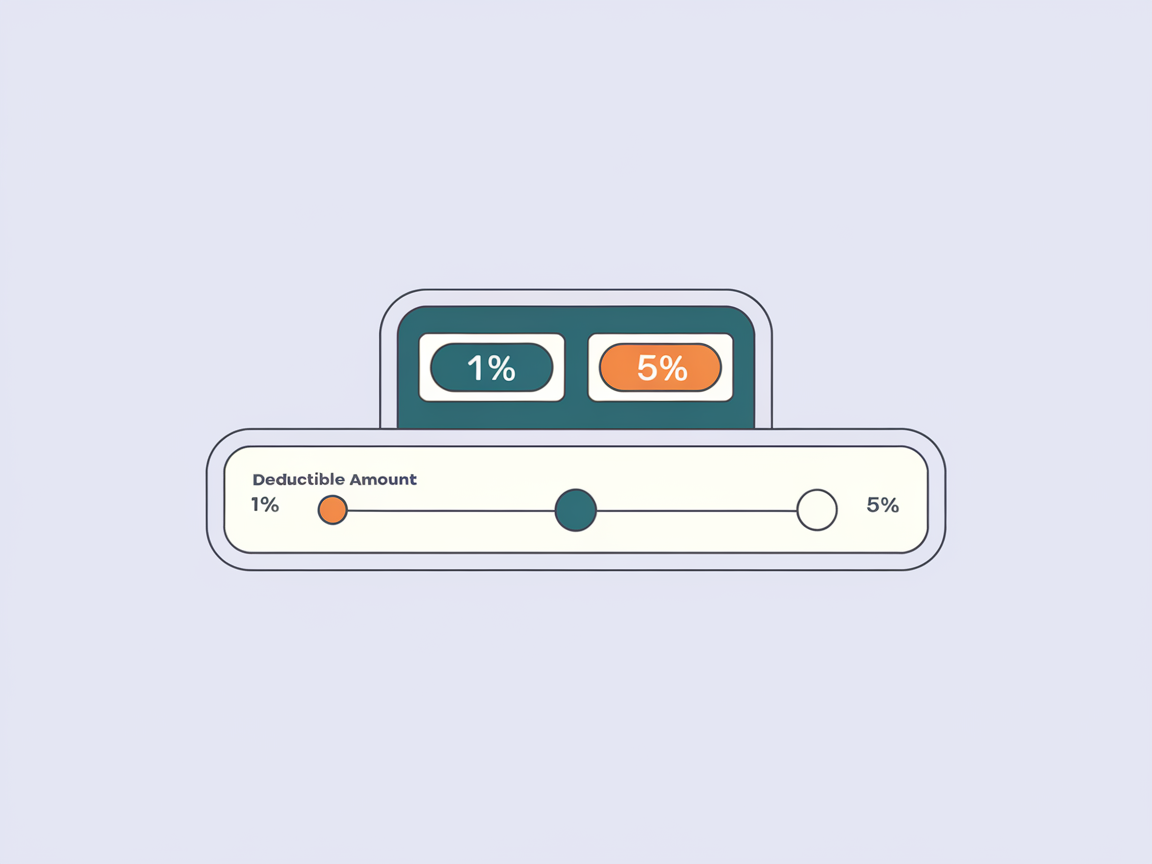
This is where Allianz has a significant advantage. They offer deductibles up to €10,000, which can reduce premiums by up to 60%. If you're healthy and want catastrophic coverage (protection against major illness while paying for routine care yourself), Allianz's high-deductible options make comprehensive coverage very affordable.
AXA's maximum deductible is €5,000, offering up to 40% premium savings. Still significant, but not as aggressive as Allianz's high-deductible options.
Pricing Breakdown
Allianz Care is consistently 15-25% cheaper than AXA Global for comparable coverage. Combined with their higher deductible options, the savings can be substantial.
| Profile | AXA Comfort | Allianz Enhanced |
|---|---|---|
| Age 30, ex-US | €150-200/mo | €110-140/mo |
| Age 40, ex-US | €200-280/mo | €135-180/mo |
| Age 50, ex-US | €300-400/mo | €220-300/mo |
| Age 60, ex-US | €450-600/mo | €350-400/mo |
| Family of 4 | €500-700/mo | €380-500/mo |
Prices based on comprehensive coverage excluding US with moderate deductibles. Your actual quote will vary based on specific plan selection, deductible choice, and coverage area.
Understanding the Price Gap
The 15-25% price difference between these providers reflects their different business models. AXA's bundled approach includes more in base plans but costs more. Allianz's modular approach lets you pay only for what you need.
When comparing quotes, make sure you're comparing equivalent coverage. AXA Comfort includes outpatient, dental, and vision. Allianz Enhanced without add-ons includes only inpatient coverage. Add the outpatient module to Allianz for a true comparison.
Even with equivalent coverage, Allianz typically comes out cheaper. Their operational efficiency and modular model allow competitive pricing without sacrificing coverage quality.
High-Deductible Savings
Allianz's €10,000 deductible option can reduce premiums by up to 60%. For a healthy person who wants catastrophic coverage, this makes comprehensive health insurance surprisingly affordable. A 35-year-old might pay €60-80/month for Signature tier with high deductible—premium coverage at budget pricing. AXA's maximum deductible (€5,000) offers up to 40% savings.
US Coverage Impact
Both providers charge significantly more—typically 40-50% increase—for plans that include US coverage. American healthcare costs drive this premium.
If you don't need US coverage, excluding the United States from your coverage area saves substantial money with both providers. Both offer worldwide-excluding-US options.
Payment Terms
Both providers offer monthly, quarterly, and annual payment options. Monthly payment typically adds 3-5% to your total cost. Annual payment saves money but requires upfront commitment.
If you can afford annual payment, you'll save with either provider. The 3-5% fee for monthly payment is essentially interest on financing your premiums.
Get Your Actual Price
Estimates only tell part of the story. Get personalized quotes for your specific situation.
Get a QuoteWe may earn a commission when you apply through our links. This does not affect our recommendations.
Network and Claims
Provider networks and claims processes affect your day-to-day experience with health insurance. Both providers maintain extensive global networks, but there are differences worth noting.
Provider Networks
Allianz Care claims over 2 million providers globally—one of the largest networks in international health insurance. Their network is particularly strong in Europe, reflecting their German heritage and European customer base.
AXA Global has 1.6 million+ providers worldwide. Their network is particularly strong in France and francophone countries, with excellent relationships throughout Europe and Asia.
In practice, both networks are large enough that finding quality care is rarely a problem in developed markets. The difference in network size matters more in smaller cities or less developed countries where Allianz's larger network may offer more options.
Direct Billing
Both providers offer direct billing at network hospitals, meaning the insurer pays the hospital directly and you don't have to pay upfront. This is particularly valuable for expensive hospitalizations where paying out of pocket isn't practical.
Direct billing availability varies by location. Major international hospitals in expat destinations typically offer direct billing with both providers. Smaller clinics may require you to pay and file for reimbursement.
Claims Processing
Allianz has invested heavily in claims efficiency, claiming 74% of claims processed within 24 hours for straightforward submissions. Their MyHealth portal and mobile app handle most claims needs.
AXA typically processes claims within 7-14 days. Their MyHealth portal provides online claims submission and tracking. Processing times are industry-standard but not as fast as Allianz claims.
Both providers have mixed reviews for complex claims. Simple, straightforward claims tend to process smoothly with both. Complex claims—those requiring medical review or additional documentation—can face delays with either provider.
Customer Service
Both providers offer 24/7 multilingual support. When you have a health emergency in a foreign country at 3 AM, knowing you can reach someone who speaks your language matters.
Allianz includes their Telemedicine Hub in all plans, providing 24/7 video consultations with doctors. They also offer MediLine medical advice and an Expat Assistance Program covering counseling and legal referrals.
AXA provides global assistance services, second medical opinion services, and travel security alerts. Their support infrastructure is comprehensive but doesn't include standard telemedicine in all plans.
Country Restrictions
Both providers have some territorial restrictions. Allianz is not available to residents of Germany, Ireland, UAE, Brazil, or sanctioned countries. AXA has fewer restrictions but some limitations apply in certain markets.
Check availability in your specific country before starting the quote process. If one provider isn't available where you live, that makes your choice simple.
Real-World Scenarios
Abstract comparisons only go so far. Here's how these providers might perform in situations expats commonly encounter.
Scenario 1: Routine Healthcare in Spain
You're an expat in Barcelona needing regular checkups, occasional specialist visits, and prescription medications for blood pressure management.
With AXA Comfort: All of this is covered as part of your bundled plan. Doctor visits, specialists, and prescriptions are included. Direct billing may be available at major hospitals; otherwise you pay and file for reimbursement.
With Allianz Enhanced + Outpatient: Same coverage if you've added the outpatient module. Without the outpatient add-on, you'd pay out of pocket for these routine services. Spain's healthcare is relatively affordable, so some expats choose inpatient-only coverage and pay for routine care themselves.
Verdict: Both work well. Allianz gives you the choice of whether to pay for outpatient coverage or handle it yourself.
Scenario 2: Emergency Surgery in Thailand
You experience appendicitis while living in Bangkok. You need emergency surgery and several days of hospitalization at Bumrungrad Hospital.
With AXA Essential: Fully covered. Emergency surgery is core inpatient coverage. Bumrungrad likely has direct billing with AXA, so you may not pay anything upfront.
With Allianz Base: Same outcome—emergency hospitalization covered at any tier. Direct billing likely available.
Verdict: Both providers handle emergencies equally well. This is what inpatient coverage is designed for.
Scenario 3: Having a Baby in Germany
You and your partner are expecting a child while living in Munich. You need comprehensive maternity care including prenatal, delivery, and postnatal care.
With AXA Excellence: Maternity is included after the waiting period. German hospitals are in-network, and coverage is comprehensive.
With Allianz Enhanced: Maternity included after waiting period. Allianz's strong German presence means excellent hospital relationships in Munich.
Verdict: Both work well for maternity in Germany. Allianz may have a slight edge due to their German roots and strong local relationships.
Scenario 4: Ongoing Mental Health Treatment
You're dealing with depression and anxiety that developed after moving abroad. You need regular therapy sessions—weekly for several months at least.
With AXA Excellence: Mental health is covered with parity to physical health at this tier. Weekly therapy sessions should be covered according to plan terms.
With Allianz Signature: Enhanced mental health coverage at this tier provides generous session allowances for ongoing treatment.
Verdict: Both premium tiers handle mental health well. Check specific session limits in your plan documents, as both providers apply some limits to mental health benefits.
Scenario 5: French Visa Application
You're applying for a French long-stay visa and need health insurance that meets French requirements.
With AXA: As a French company regulated by French authorities, AXA coverage is typically accepted without question for visa applications. Their documentation is designed for French administrative requirements.
With Allianz: EU-regulated coverage is generally accepted, but you may face more questions from French authorities unfamiliar with German insurers. Allianz can provide the necessary documentation, but the process might be slightly less smooth.
Verdict: For French visa applications specifically, AXA has an edge due to their French origins and regulatory familiarity.
Regional Considerations
Where you're living affects which provider might serve you better. Both have strong European networks, but regional strengths vary.
France and Francophone Countries
AXA has the clear advantage here. Their French headquarters mean deep relationships with French hospitals, familiarity with French healthcare regulations, and staff who understand French administrative requirements. For expats in France, Belgium, Switzerland, or francophone Africa, AXA is a natural choice.
Allianz also covers France well but may not have the same depth of local relationships. For routine coverage, either works. For complex situations requiring navigation of French healthcare bureaucracy, AXA's home-field advantage helps.
Germany and German-Speaking Countries
Allianz has the advantage in Germany—though there's a catch: Allianz Care isn't available to German residents. If you're a German resident, you'll need AXA or another provider.
For expats in Austria or German-speaking Switzerland, Allianz's German heritage provides similar advantages to what AXA offers in France—cultural familiarity and strong provider relationships.
Rest of Europe
Both providers cover Europe comprehensively. Spain, Portugal, Italy, Netherlands, and other European destinations are well-served by either. Allianz's larger network (2M vs 1.6M providers) may offer more options in smaller cities.
For Schengen visa requirements, both EU-regulated providers meet requirements without issues.
Asia-Pacific
Both providers have strong Asian networks, particularly in major expat destinations like Singapore, Hong Kong, Thailand, and Japan. AXA has invested significantly in Asian markets and maintains good provider relationships throughout the region.
Allianz's larger overall network may provide more options in secondary cities, but both handle major Asian destinations well.
Middle East
Both providers cover the Middle East well. Note that Allianz is not available to UAE residents—if you're living in Dubai or Abu Dhabi, AXA is your choice between these two.
Customer Experience
Beyond coverage and pricing, how does it feel to use these insurance products? Both are established European insurers with professional service cultures, but there are differences.
Digital Experience
Both providers offer MyHealth portals and mobile apps for managing your coverage, finding providers, and submitting claims. The digital experiences are competent but not exciting—functional tools for insurance management.
Allianz has invested more heavily in digital innovation, including their Telemedicine Hub that provides 24/7 video consultations. This reflects a more forward-thinking approach to healthcare delivery.
AXA's digital tools are adequate but feel more traditional. They get the job done without particularly impressing.
Customer Satisfaction
Both providers receive mixed reviews from customers—generally positive for routine interactions, with complaints focused on complex claims or disputes. This is typical for the insurance industry.
Common praise for both: comprehensive coverage, professional service, generally reliable claims payment. Common complaints: slow processing for complex claims, occasional communication difficulties, premium increases at renewal.
Neither provider stands out as dramatically better or worse than the other in customer satisfaction. Both are professional, established insurers that handle most situations competently.
Renewal Experience
Both providers increase premiums at annual renewal, reflecting your increased age and general cost inflation. Neither is known for dramatic surprise increases, but premiums will rise over time.
Neither provider offers no-claims discounts, so healthy members who rarely use their insurance pay the same as those who claim frequently. If no-claims rewards matter to you, consider BUPA Global which offers this feature.
Who Should Choose Which
Based on all the factors analyzed above, here's who each provider serves best.
Choose AXA Global If:
- You're moving to France — Best French connections
- You need French visa coverage — Smoothest process
- You want bundled benefits — No add-on complexity
- You want unlimited coverage — Exclusive tier unique
- Allianz isn't available — Some country restrictions
- You prefer established brand — Strong recognition
Choose Allianz Care If:
- Budget is important — 15-25% lower premiums
- You want flexibility — Modular add-on structure
- You want high deductibles — Up to €10,000 (60% savings)
- Telemedicine matters — Included in all plans
- You want larger network — 2M+ providers
- You use alternative therapies — Better coverage
Our Verdict
Both AXA Global and Allianz Care are excellent choices for expats who want EU-regulated international health insurance. They're both backed by massive, financially stable insurance groups with decades of experience. You can't go seriously wrong with either provider.
Allianz Care offers better value for most expats. Their 15-25% lower pricing, modular flexibility, and aggressive high-deductible options make comprehensive coverage more accessible. The larger provider network and included telemedicine are additional advantages. For pure value, Allianz typically wins.
AXA Global makes sense in specific situations. If you're moving to France or French-speaking countries, need coverage for a French visa application, or want the simplicity of bundled benefits without managing add-ons, AXA's premium over Allianz may be worth it. The Exclusive tier's unlimited coverage is also unique if you want maximum protection with no caps.
Our recommendation for most expats: Allianz Care offers better overall value. Their lower premiums, modular approach, and competitive deductible options make them the smarter choice for budget-conscious expats who want comprehensive European-quality coverage.
The exception: If you specifically need French connections (visa applications, French hospital relationships, French administrative familiarity), AXA Global is worth the premium.
Get quotes from both providers for your specific situation. The actual price difference for your profile will help make the decision clear.
Ready to Decide?
Get personalized quotes from both AXA Global and Allianz Care. Compare real pricing for your specific needs.
Compare Plans NowWe may earn a commission when you apply through our links. This does not affect our recommendations.
Frequently Asked Questions
Is AXA Global or Allianz Care better?
Neither is universally better—it depends on your priorities. Allianz offers lower premiums and more flexibility through their modular approach. AXA offers bundled simplicity and has advantages for French visa applications. For pure value, Allianz typically wins. For specific French connections, AXA may be worth the premium.
Why is Allianz Care cheaper than AXA Global?
Allianz's modular approach means you only pay for coverage you choose. They also offer higher deductible options (up to €10,000) that can reduce premiums by up to 60%. AXA bundles more benefits into each tier, which costs more even if you don't need every included benefit.
Which provider has better coverage for Europe?
Both cover Europe excellently—they're both EU-headquartered companies with strong European networks. AXA has an edge in France and francophone countries. Allianz has advantages in German-speaking markets (though not available to German residents). For other European countries, either works well.
Are both providers accepted for EU visa applications?
Yes, both are EU-regulated and generally accepted for Schengen visa and long-stay visa applications. AXA has a specific advantage for French visa applications due to their French regulatory status and familiarity with French administrative requirements.
Which provider has better customer service?
Both receive mixed reviews—generally positive for routine interactions, with complaints about complex claims. Neither stands out as dramatically better. Both offer 24/7 multilingual support and professional service cultures.
Can I switch between these providers?
Yes, you can switch at any renewal period. However, switching triggers new underwriting, and any conditions that developed while on your previous policy could be treated as pre-existing by your new insurer. Consider this carefully before switching, especially if you've developed health issues.
Written by
John Spencer
John Spencer is the founder of Compare Expat Plans, where he focuses on helping people compare health plans for life abroad. He emphasizes clear information, neutral analysis, and practical decision support.
Disclaimer: This comparison is for informational purposes only. Prices, coverage details, and plan features change frequently. We are not insurance brokers or agents. Always verify current information directly with AXA Global and Allianz Care before making purchasing decisions. Individual circumstances vary, and what works for one person may not work for another.