Written by
John Spencer
John Spencer is the founder of Compare Expat Plans, where he focuses on helping people compare health plans for life abroad. He emphasizes clear information, neutral analysis, and practical decision support.
What Counts as Pre-Existing?
A pre-existing condition is any health issue you had before your insurance policy started. This includes:
- Diagnosed chronic conditions (diabetes, asthma, hypertension, etc.)
- Previous surgeries or treatments
- Medications you're currently taking
- Symptoms you've experienced, even if not formally diagnosed
- Mental health conditions you've been treated for
Important: Undiagnosed Symptoms Count
If you had symptoms before your policy started — even if you hadn't seen a doctor about them — insurers may still consider the underlying condition pre-existing. This is sometimes called "symptoms which would have caused a reasonable person to seek medical advice."
How Far Back Do Insurers Look?
The "lookback period" varies by insurer and underwriting method:
- Typical range: 2-5 years
- Moratorium underwriting: Often 5 years
- Full medical underwriting: Your complete medical history
Some conditions are considered "lifetime" conditions regardless of when they occurred (like diabetes or heart disease).
How Insurers Handle Pre-Existing Conditions
International health insurers use several approaches to handle pre-existing conditions:
| Approach | How It Works | Pros | Cons |
|---|---|---|---|
| Full Medical Underwriting | Review medical history before acceptance | May get full coverage if approved | Can be denied or get exclusions |
| Moratorium Underwriting | No upfront review; lookback period | Easier acceptance | Recent conditions excluded |
| Waiting Period | Condition covered after set time | Guaranteed coverage eventually | No coverage during waiting period |
| Premium Loading | Higher premium for condition coverage | Coverage from day one | Can be expensive |
| Permanent Exclusion | Condition never covered | Still covered for everything else | No coverage for that condition |
Full Medical Underwriting (Most Common)
You fill out a detailed health questionnaire when applying. The insurer reviews your medical history and then decides:
- Accept with full coverage: Your conditions will be covered
- Accept with exclusions: Coverage for everything except specific conditions
- Accept with loading: Coverage for conditions but at higher premium
- Accept with waiting period: Conditions covered after a set time
- Decline: Application rejected (rare, usually severe conditions)
Moratorium Underwriting
Some plans skip the medical questionnaire. Instead, they automatically exclude any condition you received treatment for in the past 2-5 years. If you go treatment-free for a set period (usually 2 years), the condition may become covered.
This can be easier to get accepted, but means no coverage for recent conditions initially.
Have a Pre-Existing Condition?
Compare plans from insurers that offer coverage options for various health conditions.
Compare PlansWe may earn a commission when you apply through our links. This does not affect our recommendations.
Disclosure Requirements
You must disclose your full medical history honestly. This is non-negotiable.
What You Need to Disclose
- All diagnosed conditions, past and present
- Surgeries and hospitalizations
- Current and recent medications
- Mental health treatment
- Symptoms you've experienced (even without diagnosis)
- Pending tests or investigations
What Happens If You Don't Disclose?
Non-disclosure can have serious consequences:
- Claim denial: Your claim gets rejected
- Policy voided: Insurance cancelled, potentially from the start date
- No refund: You may lose all premiums paid
- Future difficulty: Hard to get insurance elsewhere after voiding
Never Hide Conditions
Insurance companies can and do investigate claims. Medical records are reviewed, and undisclosed conditions are discovered. The short-term benefit of hiding a condition isn't worth the risk of having your policy voided when you need it most.
Understanding Waiting Periods
Many insurers use waiting periods for pre-existing conditions. During this time, you have coverage for new conditions but not for the pre-existing one.
Typical Waiting Periods
- Pre-existing conditions: 12-24 months (varies by condition)
- Maternity: 10-12 months
- Mental health: 12-24 months
- Cancer: 24 months or permanent exclusion
After the Waiting Period
Once you complete the waiting period:
- The condition becomes covered like any other
- You'll need to maintain continuous coverage (gaps may reset the waiting period)
- Some conditions may have ongoing exclusions regardless of time
Understand Your Options
Get personalized quotes that show how different insurers handle your specific conditions.
Get QuotesWe may earn a commission when you apply through our links. This does not affect our recommendations.
Getting Coverage With a Condition
Having a pre-existing condition doesn't disqualify you from international health insurance. Here's how to approach it:
1. Be Completely Honest
Disclose everything on your application. Provide as much detail as requested, including dates, treatments, and current status. If your condition is well-controlled, mention that too.
2. Apply to Multiple Insurers
Different insurers have different appetites for risk. One might decline you while another offers coverage. Apply to at least 2-3 providers to compare offers.
3. Consider Higher Deductibles
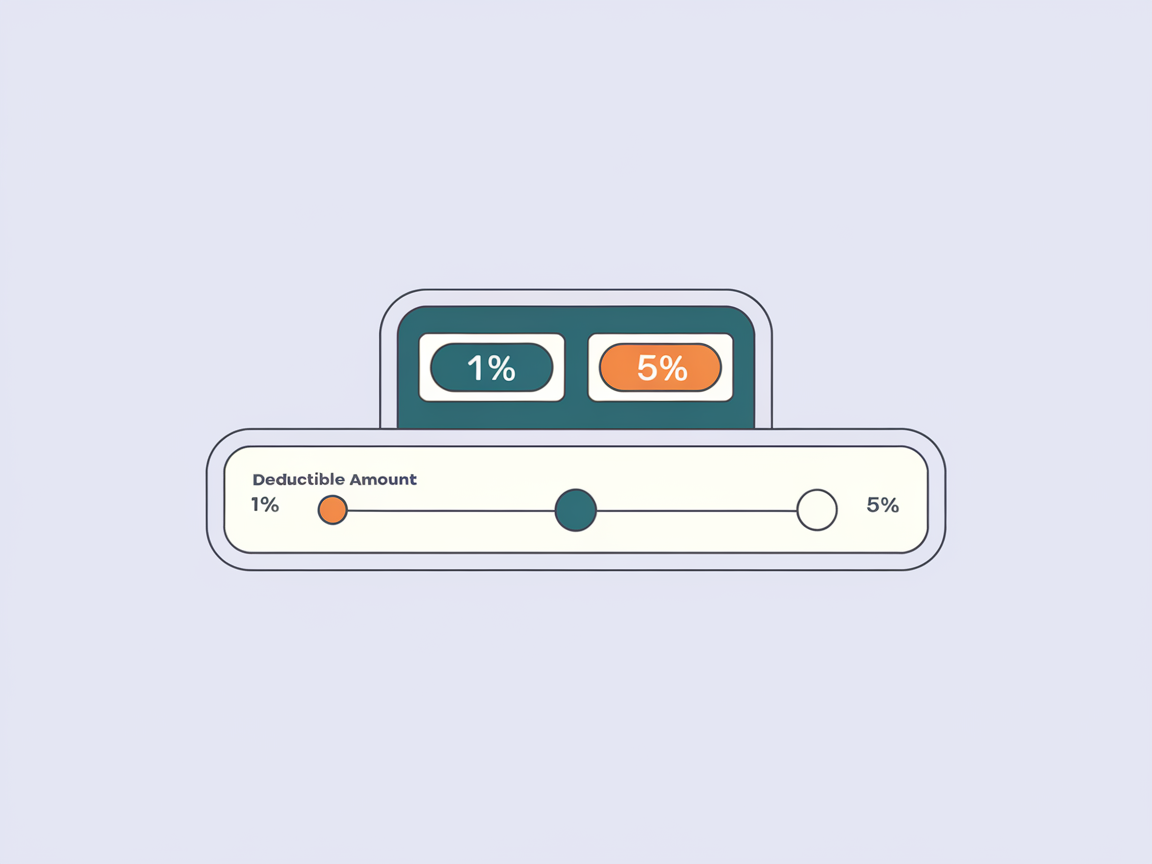
Some insurers are more willing to cover conditions if you accept a higher deductible. This reduces their risk while still giving you coverage.
4. Look for Plans Designed for This
Some providers specialize in or are more accommodating of pre-existing conditions. These plans may cost more but offer coverage others won't.
5. Use a Broker
An experienced international health insurance broker knows which insurers are more likely to accept certain conditions. They can help you find options you might not discover on your own.
Well-Controlled Conditions
If your condition is stable and well-managed, make sure to emphasize this. Insurers view well-controlled conditions with regular check-ups more favorably than unmanaged ones. Provide documentation of your treatment compliance and stable health metrics if possible.
Provider Policies Compared
Different providers take different approaches to pre-existing conditions. Here's a general overview:
More Accommodating
- Cigna Global: Full underwriting with options for premium loading and waiting periods
- Allianz Care: Multiple underwriting options including moratorium
- Bupa Global: Comprehensive underwriting with tailored exclusions
More Selective
- Budget providers: Often exclude more conditions or have longer waiting periods
- Travel medical: Usually exclude all pre-existing conditions
- Group plans: May have simpler underwriting but less flexibility
Note: Policies change frequently. Always verify current underwriting practices directly with providers or through a broker.
Common Questions
Will my premium be higher with a pre-existing condition?
Possibly. If you're accepted with "premium loading," you'll pay more. The increase varies by condition — a well-controlled condition might add 25%, while a complex one could double your premium or more. Some conditions are covered without extra charge after a waiting period.
Can I ever get a pre-existing condition covered?
Yes, in several ways: through a waiting period that expires, by switching to a plan that covers it, or if your condition is cured. Some insurers also have "moratorium" rules where conditions become covered after a treatment-free period (typically 2-3 years).
What if my condition developed while insured?
If you develop a condition while covered, it's not pre-existing — it's a new condition and should be covered. This is why maintaining continuous coverage is so important. Gaps in coverage can turn existing conditions into "pre-existing" for your next policy.
Do I need to disclose family medical history?
Usually no. Most insurers only ask about your personal medical history, not your family's. However, some may ask about known genetic conditions.
What counts as a "gap" in coverage?
Even a short gap (30-60 days) can reset your coverage status for pre-existing conditions. When switching insurers, try to ensure your new policy starts before your old one ends.
Can I get international insurance if I have cancer?
Active cancer is very difficult to insure. However, if you're in remission (typically 5+ years), some insurers will consider coverage with exclusions or waiting periods. It's challenging but not always impossible.
What about mental health conditions?
Mental health conditions are subject to the same pre-existing condition rules. Anxiety and depression are common and many insurers will cover them with waiting periods. More severe conditions may face permanent exclusions. Coverage for mental health varies significantly between providers.
Ready to Explore Your Options?
Compare international health insurance plans and find one that works with your health history.
Compare Plans NowWe may earn a commission when you apply through our links. This does not affect our recommendations.
Disclaimer: This guide is for informational purposes only. Insurance policies and underwriting practices vary by provider. We are not insurance brokers or medical professionals. Always disclose your full medical history when applying and verify specific terms with providers.