Written by
John Spencer
John Spencer is the founder of Compare Expat Plans, where he focuses on helping people compare health plans for life abroad. He emphasizes clear information, neutral analysis, and practical decision support.
What Is a Deductible?
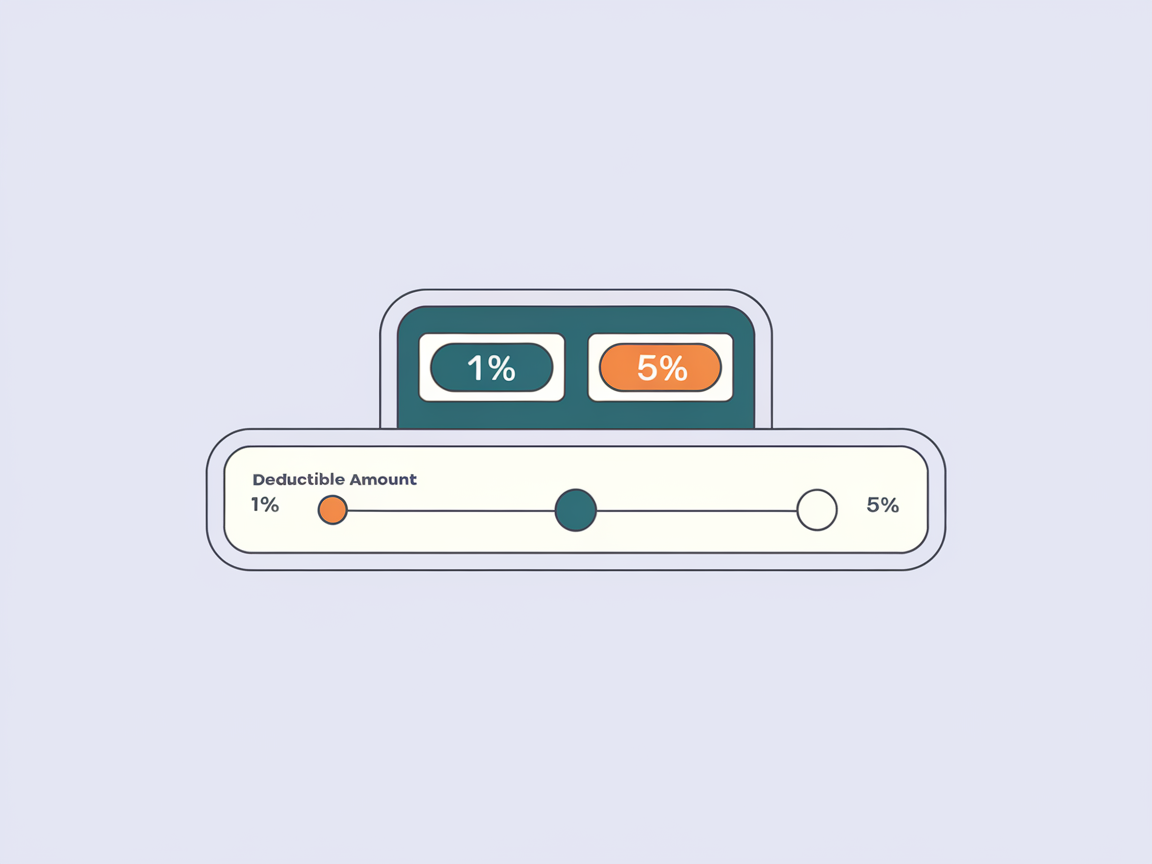
A deductible is the amount you pay out of pocket before your insurance starts covering costs. If you have a $1,000 deductible, you'll pay the first $1,000 of your medical expenses each year. After that, your insurance kicks in.
Think of it as a threshold. Below that threshold, you're paying. Above it, your insurance is paying (though you may still have co-pays or coinsurance).
In international health insurance, deductibles typically reset annually on your policy renewal date.
How Deductibles Work
Here's a practical example of how a $1,000 deductible works over a year:
Example: $1,000 Annual Deductible
In this example, you hit your $1,000 deductible in September. After that, insurance covered the remaining costs.
Important: What Counts Toward Your Deductible
Not all expenses count toward meeting your deductible:
- Usually counts: Doctor visits, hospital stays, lab work, imaging, prescriptions
- Often doesn't count: Premiums, services not covered by your plan, out-of-network care (varies by plan)
Compare Deductible Options
See how different deductibles affect premiums across top expat insurance plans.
Compare PlansWe may earn a commission when you apply through our links. This does not affect our recommendations.
High vs Low Deductibles
Choosing between a high and low deductible is fundamentally a trade-off between monthly costs and financial risk:
| Factor | Low Deductible ($0-500) | High Deductible ($2,500+) |
|---|---|---|
| Monthly Premium | Higher | Lower |
| Out-of-Pocket When Using Care | Lower | Higher |
| Best For | Frequent healthcare users | Healthy, infrequent users |
| Financial Predictability | Higher | Lower |
| Annual Savings Potential | Lower | Higher (if healthy) |
| Risk Level | Lower | Higher |
The Math Behind Deductibles
Lower deductibles mean higher premiums. The question is whether the extra premium cost is worth the protection. Consider:
- If you rarely use healthcare, a high deductible saves you money on premiums you'll never "use"
- If you use healthcare regularly, a lower deductible means more predictable costs
- The "right" choice depends on your health, risk tolerance, and financial situation
Typical Deductible Options
Most international health insurance plans offer several deductible tiers. Here's what you might see (actual prices vary by age, location, and coverage level):
| Deductible | Typical Monthly Premium | Annual Premium | Break-Even Point |
|---|---|---|---|
| $0 | $350-450 | $4,200-5,400 | Any claim |
| $500 | $280-380 | $3,360-4,560 | ~$500 in claims |
| $1,000 | $220-320 | $2,640-3,840 | ~$1,500 in claims |
| $2,500 | $150-250 | $1,800-3,000 | ~$3,500 in claims |
| $5,000 | $100-180 | $1,200-2,160 | ~$6,000 in claims |
Notice how the premium difference between $0 and $5,000 deductibles can be $200+ per month. Over a year, that's $2,400+ in premium savings — which is significant if you don't have major medical expenses.
Choosing the Right Amount
There's no universal "best" deductible. Here's how to think through your decision:
Choose a Lower Deductible If:
- You have ongoing health conditions
- You use healthcare services regularly
- You prefer predictable monthly costs
- You don't have savings to cover large unexpected bills
- You're risk-averse about medical expenses
Choose a Higher Deductible If:
- You're generally healthy
- You rarely see doctors
- You can afford unexpected medical costs
- You want to minimize monthly premiums
- You're comfortable with some financial risk
The Emergency Fund Rule
A common guideline: Only choose a deductible you could comfortably pay from savings. If a $5,000 deductible would cause financial hardship, it's probably too high — even if the premium savings are attractive.
Consider Your Annual Healthcare Spending
Look at your healthcare expenses over the past few years:
- If you typically spend under $500/year on healthcare, a higher deductible probably makes sense
- If you regularly spend $2,000+/year, a lower deductible might actually save you money overall
- If your spending is unpredictable, consider your risk tolerance
Need Help Deciding?
Get quotes with different deductible options to see actual price differences.
Get QuotesWe may earn a commission when you apply through our links. This does not affect our recommendations.
Other Cost Factors to Consider
Deductibles are just one part of your total cost. Also consider:
Out-of-Pocket Maximum
This is the most you'll pay in a year. After reaching this limit, insurance covers 100%. Plans with higher deductibles often have higher out-of-pocket maximums — something to consider for catastrophic situations.
Coinsurance
After meeting your deductible, you might still pay a percentage of costs (like 20%) until you hit your out-of-pocket max. Lower coinsurance means less exposure after the deductible.
Copays
Some plans have fixed copays for certain services (like $30 for a doctor visit). These may apply before or after you meet your deductible, depending on the plan.
Coverage Area Costs
Healthcare costs vary dramatically by country. A $2,500 deductible feels different in Thailand (where a doctor visit might cost $30) versus the USA (where it might cost $200+).
Common Questions
Can I change my deductible?
Usually only at renewal time. Most plans let you adjust your deductible when you renew your policy each year. Changing mid-year typically isn't allowed.
Are deductibles per person or per family?
Both exist. Family plans often have individual deductibles plus a family maximum. For example, each person might have a $1,000 individual deductible, but the family deductible caps at $3,000 total.
What's the difference between deductible and out-of-pocket maximum?
The deductible is what you pay before insurance starts covering. The out-of-pocket maximum is the most you'll pay total in a year. Your deductible counts toward your out-of-pocket max, but the max also includes coinsurance and copays.
Do deductibles apply to all services?
Usually, but some plans waive the deductible for certain services like preventive care, mental health visits, or emergency care. Always check your specific plan details.
Should I choose the highest deductible to save money?
Only if you can afford to pay it. The premium savings don't help if you can't cover the deductible when you need care. Be realistic about your financial situation and health needs.
How does this work in countries with cheap healthcare?
In countries where routine care is affordable (like Mexico or Thailand), a higher deductible often makes sense. You can pay for minor care out of pocket and save the insurance for major expenses. But in expensive healthcare markets like the US or Switzerland, a lower deductible provides more protection.
Ready to Compare Plans?
See real deductible options and premiums from top international health insurance providers.
Compare Plans NowWe may earn a commission when you apply through our links. This does not affect our recommendations.
Disclaimer: This guide is for informational purposes only. Insurance terms and pricing vary by provider and policy. We are not insurance brokers. Always read policy documents carefully and verify specific terms with providers before purchasing.