
Written by
John Spencer
John Spencer is the founder of Compare Expat Plans, where he focuses on helping people compare health plans for life abroad. He emphasizes clear information, neutral analysis, and practical decision support.
Overview
Cigna Global and Allianz Care consistently rank among the most popular international health insurance providers for expats. Both offer comprehensive global coverage, established reputations, and the financial stability that comes from being backed by major insurance conglomerates. But despite these similarities, they take meaningfully different approaches to expat health coverage.
Cigna Global, part of the American healthcare giant Cigna Corporation, has built its reputation on network size and customer service. With over 1.5 million healthcare providers worldwide and a strong emphasis on direct billing, Cigna appeals to expats who want seamless access to healthcare without the hassle of paying upfront and filing claims. Their plans tend to be priced at the higher end, but many customers feel the convenience justifies the cost.
Allianz Care, the international health division of German insurance giant Allianz, takes a different approach. They focus on flexibility and value, offering more plan customization options and typically pricing 10-15% below comparable Cigna plans. Allianz has particularly strong mental health coverage and appeals to cost-conscious expats who don't mind occasionally navigating the reimbursement process.
This comparison goes beyond marketing brochures to examine how these providers actually perform. We'll analyze coverage differences that matter, compare real pricing, evaluate network quality in different regions, and help you understand which provider makes sense for your specific situation. By the end, you'll have the information needed to make a confident choice.
Cigna Global at a Glance
- Parent Company: Cigna Corporation (US)
- Network: 1.5M+ providers
- Approach: Network-focused, direct billing
- Best for: Families, US expats, convenience seekers
- Digital: Industry-leading app and portal
Allianz Care at a Glance
- Parent Company: Allianz SE (Germany)
- Network: 850K+ providers
- Approach: Flexible, value-oriented
- Best for: Budget-conscious, frequent movers
- Notable: Strong mental health, European presence
Quick Decision Guide
Choose Cigna Global if you want:
- • Largest direct billing network (1.5M+ providers)
- • Best-in-class mobile app and digital experience
- • Strong US healthcare coverage
- • Minimal paperwork with in-network care
Choose Allianz Care if you want:
- • 10-15% lower premiums for similar coverage
- • Enhanced mental health benefits
- • More flexibility in provider choice
- • Strong European network and expertise
Company Backgrounds
Understanding the corporate DNA of these insurers helps explain their different approaches to international health coverage. Both are backed by massive parent companies, but their histories and philosophies differ significantly.
Cigna Global: American Healthcare Expertise Goes International
Cigna's roots trace back to 1792, making it one of the oldest insurance companies in the United States. The modern Cigna Corporation formed through a 1982 merger and has since grown into a global health services company serving over 180 million customers worldwide. Their international health division, Cigna Global, emerged to serve the growing population of globally mobile individuals and expatriates.
Cigna's American heritage shows in their product philosophy. Like US health insurance, they emphasize network access and direct billing relationships with providers. Their approach minimizes out-of-pocket costs and paperwork for members who use in-network facilities. This network-centric model requires significant investment in provider relationships, which partly explains their premium pricing.
The company's size and US ties also create advantages for American expats specifically. Cigna understands American healthcare expectations and maintains strong relationships with US-based providers, making them a natural choice for Americans who may return home periodically or want continuity with familiar healthcare norms.
Allianz Care: German Engineering Applied to Health Insurance
Allianz SE, founded in Berlin in 1890, is one of the world's largest financial services companies. The group operates in over 70 countries and manages more than €2 trillion in assets. Allianz Care is their dedicated international private medical insurance division, serving expats, globally mobile employees, and international organizations.
The German approach to insurance emphasizes efficiency, flexibility, and value. Allianz Care reflects this through highly customizable plans that let members choose exactly the coverage they need without paying for features they won't use. Their pricing model tends to be more transparent, with clear add-on costs for optional benefits.
Allianz's European heritage also influences their healthcare philosophy. They're comfortable with the reimbursement model common in European healthcare systems, where patients pay providers directly and then claim back from their insurer. This approach gives members more freedom in choosing providers but requires more administrative involvement from the member.
Compare Both Providers
Get personalized quotes from Cigna Global and Allianz Care based on your specific needs.
Coverage Comparison
At the comprehensive plan level, both Cigna Global and Allianz Care cover the core benefits expats need: hospital care, outpatient treatment, emergency services, and medical evacuation. The meaningful differences lie in how specific benefits are structured, what's included versus optional, and the limits applied to certain types of care.
| Feature | Cigna Global | Allianz Care |
|---|---|---|
| Inpatient Care | ||
| Outpatient Care | ||
| Mental Health | Standard | Enhanced |
| Maternity | Optional | Optional |
| Dental | Optional | Optional |
| Vision | Optional | Limited |
| Wellness Programs | ||
| Medical Evacuation | ||
| Chronic Condition Management | ||
| Alternative Therapies | Limited | Included |
| US Coverage | Add-on | Add-on |
Inpatient and Outpatient Coverage
Both providers deliver solid inpatient coverage at their comprehensive plan levels. Hospital stays, surgeries, cancer treatment, and intensive care are covered with high limits—typically millions of dollars annually. You won't find meaningful differences here; both providers handle serious medical needs capably.
Outpatient coverage shows more variation. Cigna's Gold and Platinum plans include generous outpatient benefits with straightforward coverage for doctor visits, specialist consultations, diagnostic tests, and prescriptions. Allianz Care's Classic and Premium plans offer similar coverage but may apply different sub-limits to specific services.
One notable difference: Allianz Care includes coverage for alternative and complementary therapies (acupuncture, osteopathy, chiropractic care) more generously in their standard plans. Cigna covers these services but often with tighter limits or as add-on benefits. If alternative medicine is important to you, this could influence your choice.
Mental Health Coverage: A Key Differentiator
Mental health coverage is where these providers diverge most significantly. Allianz Care has made mental health a priority, offering enhanced coverage that includes outpatient therapy, psychiatric consultations, and ongoing treatment for chronic mental health conditions. Their approach recognizes that mental health is particularly important for expats dealing with isolation, cultural adjustment, and distance from support networks.
Cigna Global covers mental health, but their standard plans apply limits that may not suffice for ongoing treatment needs. Outpatient therapy sessions may be capped at a certain number per year, and some chronic mental health conditions may face coverage restrictions after an initial treatment period. For expats who anticipate needing regular mental health support, these differences matter.
If mental health coverage is a priority, examine the specific terms carefully. Ask about session limits, whether pre-authorization is required, and how chronic conditions are handled after initial treatment. The differences between these providers can mean hundreds or thousands of dollars in annual out-of-pocket costs for members who use mental health services regularly.
Maternity Coverage
Both providers offer maternity coverage as an optional add-on, with the standard 10-12 month waiting period before benefits activate. Coverage typically includes prenatal care, delivery (vaginal and cesarean), postnatal care, and newborn coverage for the first few weeks of life.
Cigna's maternity add-on is comprehensive and integrates well with their family plans. They have experience serving expat families and their network includes quality maternity hospitals in most major expat destinations. The add-on cost is significant—often $100-200/month—but coverage limits are high.
Allianz Care's maternity coverage is similarly comprehensive. They may offer slightly more flexibility in terms of choosing where to deliver, as their reimbursement model means you're not restricted to in-network facilities. However, this also means potentially dealing with upfront costs and claims for maternity care.
Dental and Vision
Neither provider includes dental and vision coverage in their base plans—both treat these as optional add-ons. This is standard practice in international health insurance, as dental and vision care varies significantly in cost across regions.
Cigna's dental add-on provides comprehensive coverage including preventive care, basic procedures, and major work. Their vision add-on covers exams, glasses, and contacts with reasonable limits. Both add-ons are priced competitively.
Allianz Care offers dental coverage as an add-on but their vision coverage is more limited, often only covering eye exams rather than corrective lenses. If vision coverage is important to you, Cigna has the edge here, though you might find it more cost-effective to pay out of pocket for glasses in many countries.
Plan Tiers Explained
Both providers offer multiple plan tiers, allowing you to match coverage level to your needs and budget. Understanding how these tiers compare helps ensure you're making an apples-to-apples comparison when evaluating quotes.
| Plan Tier | Cigna Global | Allianz Care |
|---|---|---|
| Entry Level | Silver | Essential |
| Mid-Range | Gold | Classic |
| Comprehensive | Platinum | Premium |
| Deductible Options | $0 - $10,000 | $0 - $5,000 |
| Area of Cover | Worldwide / Excl. US | Worldwide / Excl. US |
| Annual Maximum | Unlimited (Platinum) | €3M (Premium) |
Cigna Global Plan Tiers
Silver provides essential inpatient coverage—hospital stays, surgeries, and emergency treatment. Outpatient coverage is limited, making this tier best suited for catastrophic coverage or as a supplement to local insurance.
Gold adds comprehensive outpatient coverage including doctor visits, specialist consultations, diagnostic tests, therapies, and prescriptions. This is Cigna's most popular tier, offering a good balance of coverage and cost for most expats.
Platinum provides the highest coverage limits, typically unlimited annual maximum, plus enhanced benefits like wellness programs and preventive care. This tier makes sense for expats who want complete peace of mind and can afford the premium pricing.
Allianz Care Plan Tiers
Essential covers core inpatient needs similar to Cigna Silver. Hospital care, surgery, and emergency treatment are covered, but day-to-day outpatient care requires additional modules or out-of-pocket payment.
Classic adds outpatient coverage and is comparable to Cigna Gold in scope. Most expats find this tier provides sufficient coverage for typical healthcare needs, with the option to add specific modules for additional benefits.
Premium offers the highest coverage levels, enhanced mental health benefits, and additional wellness features. The annual maximum (€3M) is lower than Cigna's unlimited option but still more than sufficient for virtually any medical scenario.
Choosing Your Deductible
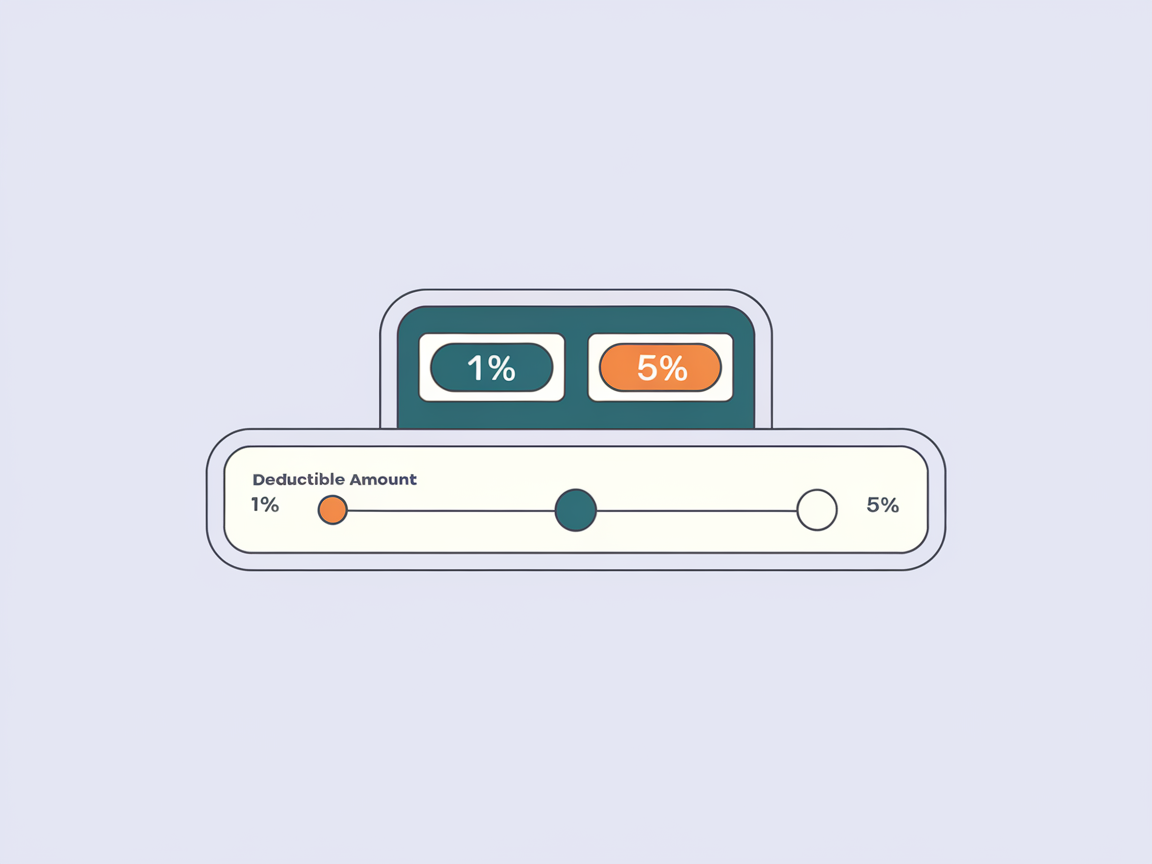
Both providers offer deductible options ranging from $0 to $5,000-10,000 annually. Higher deductibles reduce premiums significantly—often by 20-30%—but mean more out-of-pocket costs before insurance kicks in.
Cigna offers a wider range of deductible options (up to $10,000), giving budget-conscious members more flexibility to reduce premiums. Allianz typically caps deductibles at $5,000, which may be sufficient for most needs while keeping coverage more accessible when you need care.
Pricing Breakdown
Price is often the deciding factor when choosing between these two providers. Allianz Care is generally 10-15% cheaper than Cigna Global for comparable coverage, but the actual difference varies based on your age, location, and specific plan configuration.
| Profile | Cigna Global | Allianz Care |
|---|---|---|
| Single, Age 30 | $140-180/mo | $120-160/mo |
| Single, Age 45 | $220-280/mo | $190-250/mo |
| Single, Age 55 | $320-400/mo | $280-350/mo |
| Couple, Age 35 | $280-360/mo | $240-320/mo |
| Family of 4 | $450-600/mo | $400-550/mo |
Prices based on comprehensive plans excluding US coverage with moderate deductibles. Your actual quote will vary based on specific plan selection, deductible, area of coverage, and individual factors.
Understanding the Price Difference
The 10-15% price gap between these providers reflects their different business models and priorities. Cigna invests heavily in their provider network and direct billing relationships, which costs money but creates convenience for members. Allianz operates more efficiently with a reimbursement-focused model that requires less provider relationship management.
However, the headline price difference can be misleading. When you factor in out-of-pocket costs, the gap may narrow. Cigna members often pay nothing at the point of care when using in-network providers. Allianz members may need to pay upfront and wait for reimbursement, which can mean carrying costs and administrative time.
Consider your likely usage patterns. If you expect to use healthcare services frequently, Cigna's convenience may be worth the premium. If you're generally healthy and only expect occasional healthcare needs, Allianz's lower premiums could mean significant savings over time.
Premium Trends Over Time
Both providers increase premiums annually, typically 3-8% depending on your age band and general cost inflation. Age-related increases become more significant after 50, as healthcare costs rise with age.
Neither provider offers a no-claims discount program, so healthy members who rarely use their insurance pay the same rates as those who claim frequently. This is common in international health insurance but worth noting if you're comparing with providers like BUPA that do offer no-claims rewards.
US Coverage Impact
Adding US coverage significantly increases premiums with both providers—often by 30-50%. American healthcare costs are simply much higher than elsewhere in the world, and insurers price accordingly.
If you don't need US coverage (because you won't be living there or visiting frequently), excluding the US from your area of coverage saves substantial money. Both Cigna and Allianz offer worldwide-excluding-US options.
Get Your Actual Price
Estimates only tell part of the story. Get personalized quotes based on your specific needs and situation.
Network and Claims
Provider networks and claims processes determine your day-to-day experience with health insurance. A great policy on paper means little if you can't access care conveniently when you need it.
Provider Networks
Cigna Global maintains one of the largest international provider networks with over 1.5 million healthcare facilities worldwide. Their network is particularly strong in major expat destinations and includes relationships with most international hospital groups. Finding an in-network provider is rarely difficult in urban areas.
Allianz Care has a smaller network of approximately 850,000 providers, but this still covers major hospitals in most countries. Their network is particularly strong in Europe, reflecting their German heritage and European customer base. In some regions, you may find fewer direct billing options compared to Cigna.
The practical impact of network size depends on where you live. In major cities like Singapore, Dubai, or London, both providers have ample network coverage. In smaller cities or rural areas, Cigna's larger network may provide more options. If you're moving to a specific location, check both providers' networks in that area before deciding.
Direct Billing vs. Reimbursement
Cigna emphasizes direct billing, where they pay the healthcare provider directly so you don't have to pay upfront. This is convenient and reduces administrative burden, but only works at in-network facilities. For out-of-network care, you'll still need to pay and file for reimbursement.
Allianz operates comfortably in both modes. They offer direct billing at major network hospitals but also have efficient systems for handling reimbursement claims. If you prefer choosing your own providers regardless of network status, Allianz's model accommodates this more naturally.
Claims Processing
Both providers offer digital claims submission through web portals and mobile apps. The process is straightforward: upload receipts, provide treatment details, and wait for reimbursement.
Cigna Global typically processes claims within 5-10 business days. Their digital experience is industry-leading—the app is intuitive, the portal is modern, and tracking claim status is easy. Members consistently rate their claims experience positively.
Allianz Care's claims processing is generally efficient but can be slower, sometimes taking 10-15 business days for complex claims. Their digital tools are functional but feel less polished than Cigna's. Some members report occasional delays or requests for additional documentation.
Customer Service
Both providers offer 24/7 customer support in multiple languages. When you're dealing with a health issue at 3 AM in an unfamiliar country, knowing you can reach a helpful representative matters.
Cigna Global's customer service consistently receives high marks. Wait times are generally reasonable, representatives are knowledgeable, and issues tend to get resolved efficiently. Their American service culture emphasizes customer satisfaction.
Allianz Care's customer service is competent but less consistently praised. Response quality can vary by region and time of day. Some members report excellent experiences while others describe longer resolution times for complex issues.
Pre-existing Conditions
How insurers handle pre-existing conditions often determines whether certain applicants can get coverage at all, and at what cost. Both Cigna and Allianz conduct medical underwriting, but their approaches differ in important ways.
Cigna Global's Approach
Cigna Global uses a moratorium underwriting approach as their default. This means pre-existing conditions are excluded for a moratorium period (typically 2 years), after which they may become covered if you've been treatment-free. This approach allows faster application processing but means living with exclusions initially.
For applicants who prefer full medical underwriting, Cigna offers this option. They'll review your medical history and either offer coverage with specific exclusions, apply a premium loading, or in some cases provide full coverage. The outcome depends on the nature and severity of your conditions.
Cigna is generally willing to cover well-managed chronic conditions like controlled diabetes or hypertension, though possibly with waiting periods or premium adjustments. More serious conditions may face permanent exclusions.
Allianz Care's Approach
Allianz Care also offers both moratorium and full medical underwriting options. Their underwriting team is known for taking a reasonably pragmatic approach to pre-existing conditions, particularly for conditions that are stable and well-managed.
One advantage of Allianz is their willingness to provide coverage with premium loadings rather than outright exclusions in many cases. This means you might pay more, but at least the condition is covered. For expats who need coverage for specific pre-existing conditions, this flexibility can be valuable.
Allianz's European background also influences their approach—they're accustomed to regulatory environments that limit insurers' ability to exclude pre-existing conditions, which may make them more accommodating than some competitors.
Practical Advice
If you have pre-existing conditions, apply to both providers and compare the specific terms offered. The outcomes can vary significantly based on the nature of your conditions and how each underwriter assesses them. Getting quotes from both gives you options and negotiating leverage.
Be thorough and honest in your medical disclosures. Non-disclosure of pre-existing conditions can result in claims being denied later or policies being voided entirely. It's always better to declare everything and get appropriate coverage than to face problems when you actually need care.
Real-World Scenarios
Abstract comparisons only go so far. Here's how these providers might perform in specific situations expats commonly encounter.
Scenario 1: Routine Healthcare in Thailand
You're an expat in Bangkok needing regular checkups, occasional specialist visits, and prescription medications for a chronic condition.
With Cigna Global: Bumrungrad Hospital and Bangkok Hospital are in-network. You walk in, show your card, receive care, and walk out without paying. Your prescriptions are filled at the hospital pharmacy with direct billing.
With Allianz Care: The same hospitals are available, and you may have direct billing options. Alternatively, you might choose a smaller clinic outside the network, pay directly (at very reasonable Thai prices), and file for reimbursement within a few days.
Verdict: Both work well. Cigna offers more convenience; Allianz offers more flexibility and potentially lower premiums to save over time.
Scenario 2: Mental Health Support in Germany
You're an expat struggling with anxiety and depression related to relocation stress. You need weekly therapy sessions and possibly medication.
With Cigna Global: You find an in-network therapist and begin treatment. After several months, you may approach annual session limits. Continued treatment could require out-of-pocket costs or pre-authorization.
With Allianz Care: Their enhanced mental health coverage provides more generous session allowances. You can maintain weekly therapy for an extended period without hitting limits. The reimbursement process for therapy visits is straightforward.
Verdict: Allianz is the clear winner for ongoing mental health needs. Their coverage is more comprehensive and realistic about the sustained support many people need.
Scenario 3: Emergency Surgery in Singapore
You experience sudden appendicitis while working in Singapore. You need emergency surgery and several days of hospitalization.
With Cigna Global: You're taken to Mount Elizabeth Hospital, an in-network facility. Cigna is contacted, direct billing is arranged, and you receive treatment without worrying about costs. Follow-up care is similarly seamless.
With Allianz Care: The same hospital treats you. Allianz arranges direct billing for the emergency. Your total bill (easily $15,000-25,000 in Singapore) is covered without issues.
Verdict: Both providers handle emergencies well. This is exactly what premium international insurance is designed for, and both deliver.
Scenario 4: Having a Baby in the UAE
You and your partner are expecting a child while living in Dubai. You need comprehensive maternity care through delivery.
With Cigna Global + Maternity: You've added the maternity rider and passed the waiting period. Prenatal care at a network hospital is covered with direct billing. Delivery and postnatal care proceed smoothly with minimal paperwork.
With Allianz Care + Maternity: Similar coverage after the waiting period. You have more flexibility in choosing your obstetrician and hospital, but may handle more reimbursement claims for prenatal visits.
Verdict: Both work well for planned pregnancies. Cigna may be more convenient; Allianz may offer more provider choice. Either way, plan ahead—that waiting period is non-negotiable.
Regional Considerations
Your location significantly impacts which provider serves you better. Network strength, regional expertise, and local partnerships vary between Cigna and Allianz.
Europe
Allianz has the edge in Europe. Their German heritage means deep familiarity with European healthcare systems, strong provider relationships across the continent, and staff who understand European regulatory requirements. Their network in Germany, France, Spain, and other major markets is excellent.
Cigna also covers Europe well but may have fewer direct billing arrangements with smaller clinics and private practices. For major hospitals and international facilities, both providers are well-represented.
Asia-Pacific
Both providers have invested heavily in Asia, recognizing it as a key expat market. Cigna has particularly strong networks in Singapore, Hong Kong, and Thailand. Allianz is also well-established, with good coverage in major Asian cities.
For Southeast Asia specifically, both providers offer adequate coverage, though Cigna's larger network may provide more options in smaller cities or less developed areas.
Middle East
The UAE and Gulf states host large expat populations, and both providers have strong presence here. Cigna has excellent relationships with major hospital groups in Dubai and Abu Dhabi. Allianz also covers the region well, with good direct billing options at major facilities.
Americas
For Latin America, both providers offer coverage in major cities but networks thin out in rural areas. Cigna's American heritage gives them an edge for expats who need strong US coverage or ties to American healthcare.
If US coverage is important to you, factor this into your decision. Cigna's understanding of American healthcare and stronger US network may be worth the premium for American expats or those who visit the US frequently.
Customer Experience
Beyond coverage and pricing, how does it feel to actually use these insurance products? Day-to-day experience matters when you're dealing with healthcare issues.
Digital Experience
Cigna Global leads in digital experience. Their mobile app and online portal are modern, intuitive, and feature-rich. You can easily find nearby providers, view your coverage details, submit claims with photo uploads, track reimbursements, and access your insurance card digitally. The interface feels like it was designed by people who actually use apps.
Allianz Care's digital tools are functional but less polished. The MyHealth app handles the basics adequately—claims submission, provider search, coverage information—but the user experience feels dated compared to Cigna. If digital self-service is important to you, this is a meaningful difference.
Member Satisfaction
Both providers receive generally positive reviews from members. Cigna tends to score higher on convenience and network access, while Allianz scores well on value and flexibility. Neither provider has a reputation for excessive claims denials or difficult dealings.
Common complaints about Cigna focus on premium costs and occasional bureaucratic processes for complex claims. Common complaints about Allianz mention slower claims processing and less responsive customer service in some regions.
Renewal Experience
Annual renewals are where insurance relationships are tested. Both providers increase premiums at renewal, reflecting increased age and general cost inflation. Neither is known for dramatic surprise increases, though individual experiences vary.
Neither provider offers no-claims discounts, so healthy members who rarely claim don't see premium reductions. This is standard for the industry but worth noting if loyalty rewards matter to you.
Who Should Choose Which
After analyzing all these factors, clear patterns emerge about who each provider serves best.
Choose Cigna Global If:
- Network access is priority — Largest direct billing network
- You're American or US-focused — Best US healthcare ties
- You have a family — Strong family plan options
- Digital experience matters — Industry-leading app
- You dislike paperwork — Direct billing minimizes claims
- You're in Asia or Middle East — Strong regional networks
Choose Allianz Care If:
- Budget is important — 10-15% lower premiums typically
- Mental health is a priority — Enhanced coverage included
- You want flexibility — Customizable plan modules
- You're in Europe — Strong continental presence
- You move frequently — Portable, adaptable coverage
- You don't mind reimbursement — More provider freedom
Our Verdict
Both Cigna Global and Allianz Care are excellent choices for international health insurance. They're both backed by major global insurers, offer comprehensive coverage options, and have the financial stability to pay claims for decades to come. You can't go seriously wrong with either provider.
Cigna Global is the better choice if you prioritize convenience and network access over cost savings. Their massive provider network, emphasis on direct billing, and superior digital experience make getting healthcare abroad as seamless as possible. American expats and families will particularly appreciate their approach. You'll pay more, but the experience is more polished.
Allianz Care is the better choice if you want comprehensive coverage at a more competitive price. Their 10-15% lower premiums add up over years of coverage, and their enhanced mental health benefits are a genuine differentiator. European expats and budget-conscious members will appreciate their value-oriented approach. You'll handle more paperwork, but you'll save money.
For most expats, we'd give a slight edge to Allianz Care based on value—the premium savings are meaningful, and their coverage is genuinely comprehensive. But if direct billing convenience is important to you, or if you're American and want strong US healthcare ties, Cigna Global justifies its premium pricing.
Our strong recommendation: Get quotes from both providers based on your specific situation. Compare the actual premiums for equivalent coverage, review network options in your destination, and consider how each provider handles any pre-existing conditions you have. The right choice will become clear when you see real numbers for your circumstances.
Ready to Decide?
Get personalized quotes from both Cigna Global and Allianz Care. Compare real pricing for your specific needs.
Frequently Asked Questions
Is Cigna Global or Allianz Care better?
Neither is universally better—it depends on your priorities. Cigna Global offers superior network access and digital experience but costs more. Allianz Care provides better value and mental health coverage but may require more claims paperwork. The best choice depends on your specific needs, budget, and location.
Why is Cigna Global more expensive than Allianz Care?
Cigna invests heavily in their provider network and direct billing relationships, which costs money but creates convenience. They also offer an industry-leading digital experience and strong customer service. Allianz operates more efficiently with a reimbursement-focused model. The price difference reflects these different business approaches.
Which provider has better mental health coverage?
Allianz Care has clearly better mental health coverage. They offer enhanced benefits with more generous session limits and better coverage for ongoing treatment. Cigna covers mental health but with more limitations that may not suffice for sustained treatment needs.
Can I switch from one provider to the other?
Yes, you can switch at any renewal period. However, switching triggers new underwriting, and any conditions that developed while on your previous policy could be treated as pre-existing by the new insurer. Consider this carefully before switching, especially if you've developed health issues while covered.
Which provider is better for families?
Cigna Global is often recommended for families due to their strong family plan options, good maternity coverage, and emphasis on convenience—parents have enough to deal with without health insurance paperwork. Allianz is also suitable for families, particularly budget-conscious ones, but may involve more administrative work.
How do these providers handle pre-existing conditions?
Both offer moratorium and full medical underwriting options. Cigna typically excludes pre-existing conditions initially with potential coverage after a moratorium period. Allianz may be slightly more willing to offer coverage with premium loadings rather than outright exclusions. Apply to both and compare specific terms offered for your conditions.
Written by
John Spencer
John Spencer is the founder of Compare Expat Plans, where he focuses on helping people compare health plans for life abroad. He emphasizes clear information, neutral analysis, and practical decision support.
Disclaimer: This comparison is for informational purposes only. Prices, coverage details, and plan features change frequently. We are not insurance brokers or agents. Always verify current information directly with Cigna Global and Allianz Care before making purchasing decisions. Individual circumstances vary, and what works for one person may not work for another.