
Written by
John Spencer
John Spencer is the founder of Compare Expat Plans, where he focuses on helping people compare health plans for life abroad. He emphasizes clear information, neutral analysis, and practical decision support.
Overview
If you're researching international health insurance, BUPA Global and Cigna Global have probably appeared at the top of your list. These two providers dominate the premium end of the expat insurance market, and for good reason. Both offer comprehensive coverage, global networks, and the financial stability that comes with decades of experience.
But despite their similarities, these providers take fundamentally different approaches to international health insurance. BUPA Global operates as a healthcare company first, offering all-inclusive plans with benefits like mental health parity and dental coverage built in. Cigna Global, meanwhile, takes a modular approach—lower base premiums with the option to add specific benefits as needed.
This difference in philosophy affects everything from pricing to claims handling to customer experience. Understanding these distinctions is essential if you want to choose the right coverage for your situation, rather than simply picking the brand you've heard of most.
In this comprehensive comparison, we'll go beyond the marketing materials to examine how these providers actually perform. We'll look at real pricing data, analyze coverage differences that matter, and help you understand which provider makes sense for different types of expats. By the end, you'll have the information you need to make a confident decision.
BUPA Global at a Glance
- Founded: 1947 (UK)
- Trustpilot: 4.4/5 stars
- Network: 1.7M+ providers
- Approach: All-inclusive coverage
- Best for: Mental health, pre-existing conditions
Cigna Global at a Glance
- Founded: 1982 (global division)
- Network: 1.5M+ providers
- Approach: Modular, add-on based
- Best for: Families, budget flexibility
- Notable: Strong US ties, digital experience
Quick Decision Guide
Choose BUPA Global if you want:
- • Mental health coverage on par with physical health
- • All-inclusive plans with dental/vision included
- • No-claims discount to reward healthy years
- • Better pre-existing condition coverage
Choose Cigna Global if you want:
- • Lower base premiums (20-40% cheaper)
- • Modular plans—pay only for what you need
- • Industry-leading mobile app experience
- • Strong US healthcare network access
Company Backgrounds
Understanding the history and structure of these companies helps explain why they operate the way they do. Both are major players in healthcare, but they come from very different backgrounds.
BUPA Global: The Healthcare-First Insurer
BUPA was founded in the UK in 1947, originally as the British United Provident Association. Unlike most insurance companies, BUPA has no shareholders—it's a provident association that reinvests its profits back into healthcare. This structure influences their approach: they see themselves as a healthcare company that happens to sell insurance, rather than an insurance company that happens to cover healthcare.
This distinction shows up in their product design. BUPA tends to include more benefits in their base plans, treats mental and physical health with equal importance, and has built a reputation for covering pre-existing conditions that other insurers reject. They also operate their own hospitals and clinics in some markets, giving them direct insight into healthcare delivery.
BUPA Global, their international arm, covers over 500,000 members worldwide. They're particularly strong in Europe, the Middle East, and Asia, with a growing presence in the Americas. Their customer satisfaction scores consistently rank among the highest in the industry.
Cigna Global: The American Giant Goes International
Cigna's history stretches back over 200 years through various mergers and acquisitions, but their international health division took shape in the 1980s. Today, Cigna is one of the largest health services companies in the world, and their global division serves expats and internationally mobile people in over 200 countries.
Cigna's approach reflects their American insurance heritage: modular plans where you choose a base coverage level and add specific benefits as needed. This gives customers more control over their premiums but requires more decision-making upfront. Their network is massive, with over 1.5 million healthcare providers worldwide and particularly strong relationships with hospitals in major expat destinations.
One of Cigna's advantages is their digital infrastructure. Their online portal and mobile app are consistently rated as industry-leading, making it easy to find providers, submit claims, and manage your policy. For expats who value self-service tools and don't want to spend time on the phone, this can be a significant benefit.
Compare Both Providers
Get personalized quotes from BUPA Global and Cigna Global for your situation.
Coverage Comparison
At the premium tier, both BUPA Global and Cigna Global offer comprehensive coverage that will handle most healthcare needs abroad. The differences lie in the details—how specific benefits are structured, what's included versus optional, and how coverage limits apply.
The table below shows a feature-by-feature comparison. Keep in mind that "included" doesn't always mean unlimited, and "optional" add-ons can significantly affect your total premium. We'll dig into the nuances after the comparison.
| Feature | BUPA Global | Cigna Global |
|---|---|---|
| Inpatient Care | ||
| Outpatient Care | ||
| Mental Health Parity | Limited | |
| Maternity | Included (Elite) | Optional |
| Dental | Included (Premier+) | Optional |
| Vision | Included (Premier+) | Optional |
| Telemedicine | 24/7 Global | |
| Medical Evacuation | ||
| Second Medical Opinion | Included | Limited |
| No-Claims Discount |
Inpatient and Outpatient Care
Both providers offer robust inpatient and outpatient coverage. Hospital stays, surgeries, specialist consultations, diagnostic tests, and prescribed medications are covered under both plans. The coverage limits are high enough that most members will never hit them—we're talking millions of dollars in annual limits for comprehensive plans.
Where differences emerge is in the day-to-day outpatient coverage. BUPA's Premier and Elite plans include things like physiotherapy and alternative therapies more generously, while Cigna tends to apply sub-limits or require pre-authorization for these services. If you frequently use therapies like acupuncture, chiropractic care, or osteopathy, check the specific coverage limits carefully.
Mental Health Coverage: A Major Differentiator
This is perhaps the biggest philosophical difference between the two providers. BUPA Global treats mental health with what they call "parity"—meaning mental health conditions receive the same coverage limits and treatment as physical health conditions. Depression, anxiety, PTSD, eating disorders, and other mental health challenges are covered without the arbitrary limits that plague many insurance policies.
Cigna Global covers mental health, but with more limitations. Their standard plans include mental health coverage for acute conditions, but ongoing treatment for chronic mental health conditions may face annual session limits or reduced coverage after an initial period. If mental health support is important to you—and statistically, it probably should be—this is worth investigating carefully before choosing.
The practical impact here is significant. An expat dealing with depression or anxiety under a BUPA policy can expect coverage for ongoing therapy and medication without worrying about hitting an arbitrary limit. Under Cigna, they might face out-of-pocket costs after a certain number of sessions per year.
Maternity Coverage
Both providers offer maternity coverage, but their approaches differ. BUPA Global includes comprehensive maternity coverage in their Elite plan by default, with optional add-ons available for lower tiers. Cigna Global offers maternity as an add-on across all plan levels.
Standard waiting periods apply with both providers—typically 10-12 months before maternity benefits kick in. This is industry standard and exists to prevent people from signing up only when they're already pregnant. If you're planning to start a family abroad, signing up for maternity coverage well in advance is essential.
Coverage typically includes prenatal care, delivery (both vaginal and cesarean), postnatal care, and newborn coverage for the first weeks of life. Complications of pregnancy are usually covered under the main medical policy rather than the maternity benefit.
Dental and Vision
This is another area where BUPA's all-inclusive philosophy shines. Their Premier and Elite plans include dental and vision coverage as standard benefits, not add-ons. Coverage includes routine checkups, cleanings, fillings, and basic vision care like eye exams and glasses.
Cigna Global treats dental and vision as optional add-ons. You can add them to any plan level for an additional premium. The advantage is that people who don't need these benefits don't have to pay for them. The disadvantage is that adding them closes much of the price gap between Cigna and BUPA.
If you know you'll need regular dental work or wear glasses/contacts, factor the add-on costs into your Cigna quote comparison. A seemingly cheaper Cigna plan might end up costing similar to BUPA once you add the benefits you actually need.
Plan Tiers Explained
Both BUPA Global and Cigna Global offer multiple plan tiers, allowing you to choose a coverage level that matches your needs and budget. Understanding how these tiers work helps you make an apples-to-apples comparison.
| Plan Tier | BUPA Global | Cigna Global |
|---|---|---|
| Entry Level | Essentials | Silver |
| Mid-Range | Premier | Gold |
| Comprehensive | Elite | Platinum |
| Deductible Options | $0 - $10,000 | $0 - $10,000 |
| Area of Cover | Worldwide / Excl. US | Worldwide / Excl. US |
BUPA Global Plan Tiers
Essentials provides core inpatient coverage—hospital stays, surgeries, and cancer treatment. It's the most affordable option but lacks comprehensive outpatient coverage. Best for people who primarily want catastrophic coverage.
Premier adds comprehensive outpatient coverage, including specialist consultations, diagnostics, therapies, and dental/vision. This is BUPA's most popular tier and represents their sweet spot of coverage versus cost.
Elite is the all-inclusive option, adding maternity coverage, higher limits on everything, and additional wellness benefits. If you want the most comprehensive coverage available and budget isn't the primary concern, Elite delivers.
Cigna Global Plan Tiers
Silver provides essential inpatient coverage similar to BUPA Essentials. Hospital care, surgeries, and emergency treatment are covered, but outpatient care is limited.
Gold adds outpatient coverage including doctors' visits, prescriptions, and therapies. This tier is comparable to BUPA Premier in scope, though specific benefits may vary.
Platinum offers the highest coverage limits and most inclusive benefits in Cigna's lineup. Even here, some benefits that BUPA includes as standard (like dental and maternity) require separate add-ons.
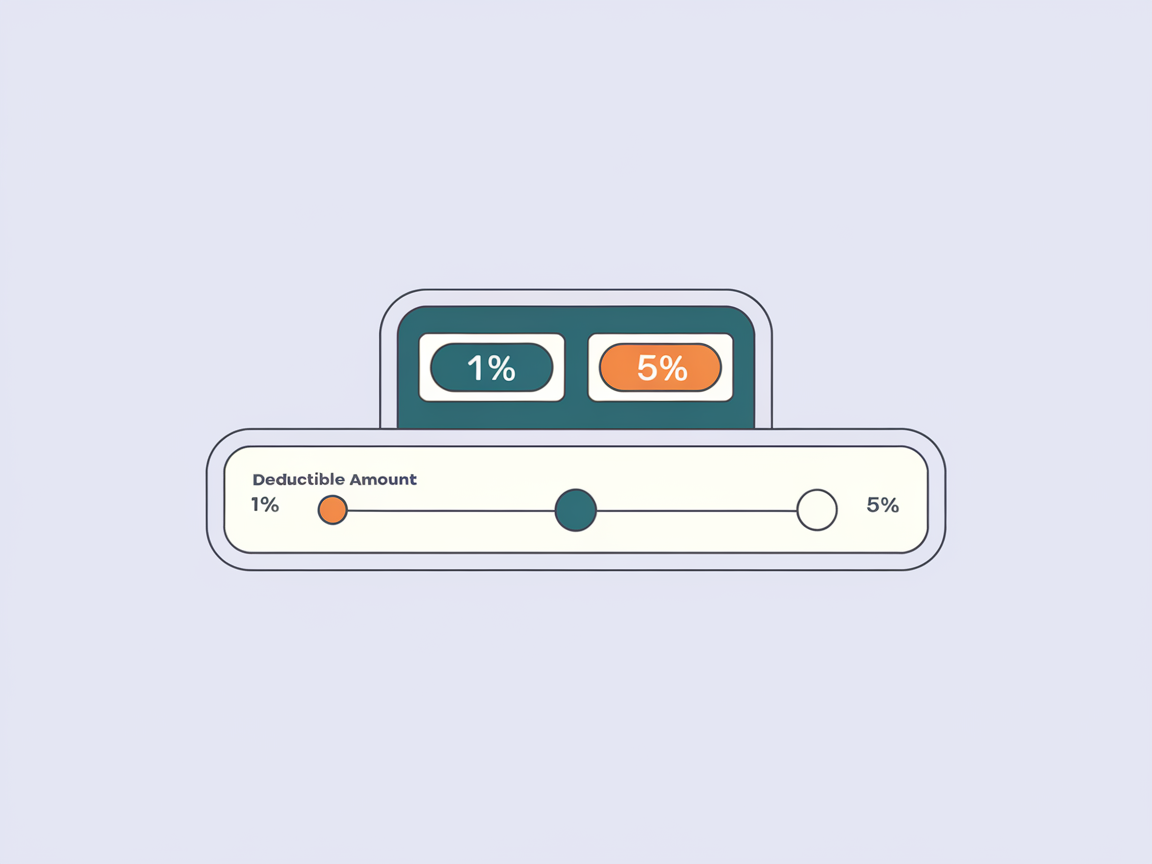
Choosing Your Deductible
Both providers offer a range of deductible options, typically from $0 to $10,000 annually. Higher deductibles significantly reduce your premium—often by 20-30%—but mean more out-of-pocket costs before insurance kicks in.
For expats in countries with affordable healthcare (like Thailand or Mexico), a higher deductible can make sense. You'll pay out of pocket for routine care but have coverage for expensive emergencies. For expats in high-cost countries (like the US or Switzerland), a lower deductible provides more practical protection.
Pricing Breakdown
Let's talk money. BUPA Global is generally more expensive than Cigna Global, but the price difference varies depending on your age, location, and chosen plan tier. Understanding the real cost difference requires looking at comparable coverage levels, not just base premiums.
| Profile | BUPA Global | Cigna Global |
|---|---|---|
| Single, Age 30 | $200-300/mo | $140-180/mo |
| Single, Age 45 | $350-450/mo | $220-280/mo |
| Single, Age 55 | $500-650/mo | $320-420/mo |
| Couple, Age 35 | $400-550/mo | $280-360/mo |
| Family of 4 | $700-950/mo | $450-600/mo |
Prices based on comprehensive plans excluding US coverage. Your actual quote will vary based on specific plan selection, deductible choice, and area of coverage.
Understanding the Price Gap
At first glance, BUPA Global appears 30-50% more expensive than Cigna Global. But this comparison isn't entirely fair because BUPA includes benefits that Cigna charges extra for. When you add dental, vision, and enhanced maternity coverage to a Cigna plan, the gap narrows considerably.
Consider a 35-year-old couple. BUPA's Premier plan might cost $450/month and include dental, vision, and mental health parity. Cigna's Gold plan might start at $320/month, but adding dental ($40), vision ($20), and enhanced mental health coverage could bring the total to $400/month or more.
The true comparison requires getting actual quotes with the specific benefits you need. Don't just compare headline premiums—compare the total cost of equivalent coverage.
BUPA's No-Claims Discount
One factor that can tip the scales toward BUPA is their no-claims discount. If you go a full year without making a claim, BUPA reduces your premium for the following year. These discounts can accumulate over multiple years, potentially reducing your premium by 15-25% over time.
Cigna Global doesn't offer a comparable program. This means that healthy members who rarely use their insurance may see their effective cost difference shrink over time with BUPA, while Cigna customers pay the same rate regardless of claims history.
Impact of US Coverage
Both providers charge significantly more for plans that include US coverage. This reflects the reality of American healthcare costs—a hospital stay in the US can easily cost 5-10 times what equivalent care costs in Europe or Asia.
If you don't need US coverage (because you won't be living there or visiting frequently), choosing a plan that excludes the US can save 30-40% on your premium. Both BUPA and Cigna offer worldwide-excluding-US options.
Get Your Actual Price
Estimates only tell part of the story. Get personalized quotes based on your specific needs.
Network and Claims
Having great coverage on paper means nothing if you can't access care when you need it. Provider networks, direct billing arrangements, and claims processes are where insurance policies meet real-world healthcare.
Provider Networks
BUPA Global claims access to over 1.7 million healthcare providers worldwide. Cigna Global's network includes over 1.5 million providers. These numbers are large enough that in most locations, you'll have plenty of options with either provider.
What matters more than raw network size is the quality of the network in your specific location. Both providers have strong relationships with major international hospitals in popular expat destinations—places like Bumrungrad in Bangkok, American Hospital in Dubai, or Clinica Universidad de Navarra in Spain. If you're moving somewhere specific, it's worth checking that your preferred hospitals are in-network for your chosen provider.
Direct billing—where the insurer pays the hospital directly, so you don't have to pay upfront—is available at many facilities with both providers. However, BUPA tends to have more direct billing arrangements in Europe, while Cigna has particularly strong direct billing in Asia and the Middle East. Your experience may vary by location.
Claims Processing
When you do need to file a claim (for non-direct-billing situations), both providers offer online claims submission through their portals and mobile apps. Upload your receipts, fill in the details, and wait for reimbursement.
BUPA Global typically processes claims within 5-10 business days, with many members reporting faster turnaround for straightforward claims. Their MembersWorld portal is functional if not flashy, and their mobile app handles most claims-related tasks adequately.
Cigna Global's claims processing is similarly efficient, usually completing within 5-10 business days. Their digital experience is generally rated as slightly better than BUPA's—the app is more intuitive, the portal is more modern, and the overall user experience feels more polished.
Neither provider has a reputation for excessive claims denials or difficult reimbursement processes. Both are large, established insurers that handle claims professionally. That said, always document your treatments thoroughly and keep copies of all receipts and medical records.
Customer Service
Both providers offer 24/7 customer support in multiple languages. When you're dealing with a health emergency at 3 AM in a foreign country, knowing you can reach someone who speaks your language matters.
BUPA Global includes access to in-house doctors and nurses who can provide medical guidance over the phone. This can be particularly valuable when you're unsure whether a symptom warrants emergency care or can wait for a regular appointment.
Cigna Global's customer service is consistently rated as responsive and helpful. Their service centers are distributed globally, which can mean shorter wait times and representatives familiar with your region.
Pre-existing Conditions
If you have any pre-existing health conditions, this section might be the most important part of this comparison. The two providers take notably different approaches to pre-existing condition coverage.
BUPA Global's Approach
BUPA Global has built a reputation for being more willing to cover pre-existing conditions than most international health insurers. During the application process, they conduct medical underwriting—reviewing your health history and potentially requesting medical records.
Based on this review, BUPA may offer coverage with a premium loading (higher cost reflecting higher risk), coverage with specific exclusions (the pre-existing condition isn't covered but everything else is), or full coverage after a waiting period. In some cases, they may offer full coverage from day one, though this is less common.
The key distinction is that BUPA is willing to have these conversations and find solutions. Many insurers simply exclude all pre-existing conditions by default or decline applications from people with significant health histories. BUPA takes a more individualized approach.
Cigna Global's Approach
Cigna Global also conducts medical underwriting, but their approach tends to be more standardized. Common pre-existing conditions are often excluded for a moratorium period (typically 2 years), after which coverage may become available if the condition has been stable.
For more serious pre-existing conditions, Cigna may apply permanent exclusions or premium loadings. They're less likely than BUPA to offer creative solutions for complex health histories.
This doesn't mean Cigna won't cover pre-existing conditions—they will in many cases—but if you have a complicated medical history, you may find BUPA more accommodating.
What This Means for You
If you have no significant pre-existing conditions, both providers will treat you similarly. But if you have conditions like diabetes, heart disease, previous cancers, or chronic conditions, it's worth applying to both providers and comparing the specific terms they offer.
Don't assume you'll be declined or face unreasonable terms. Get actual quotes with your medical history disclosed, and compare the specific coverage and pricing each provider offers. The results may surprise you.
Real-World Scenarios
Abstract coverage comparisons only go so far. Let's look at how these providers might perform in specific real-world scenarios that expats commonly face.
Scenario 1: Emergency Hospitalization
You're an expat in Barcelona and experience sudden chest pain. You're rushed to Hospital Clínic, a major public hospital, where you spend three days undergoing tests and treatment for a cardiac event.
With BUPA Global: Hospital Clínic is in-network. BUPA arranges direct billing, and you're discharged without paying anything upfront. Follow-up care with a cardiologist is covered under outpatient benefits.
With Cigna Global: Similar experience—the hospital is in-network, direct billing is arranged, and you pay nothing upfront. Follow-up cardiac care is covered.
Verdict: Both providers handle this scenario well. Emergency hospitalizations are where premium insurance earns its keep, and both BUPA and Cigna deliver.
Scenario 2: Ongoing Mental Health Treatment
You're dealing with depression and anxiety related to expat life stress. You need regular therapy sessions (weekly or biweekly) and possibly medication.
With BUPA Global: Your therapy sessions are covered like any other outpatient treatment, without arbitrary session limits. You can see a therapist weekly for as long as needed. Psychiatric medications are covered as prescribed drugs.
With Cigna Global: Initial therapy sessions are covered, but you may hit annual session limits (often 20-30 sessions per year). If you need more intensive treatment, you could face out-of-pocket costs. Coverage terms vary by plan level.
Verdict: BUPA is clearly better for ongoing mental health needs. Their mental health parity policy makes a real difference for people who need sustained support.
Scenario 3: Having a Baby Abroad
You and your partner decide to start a family while living abroad. You need comprehensive maternity care including prenatal visits, delivery, and postnatal care.
With BUPA Global Elite: Maternity is included in your plan. After the standard waiting period (typically 10-12 months), all routine maternity care is covered. Complications are covered under your main medical benefits.
With Cigna Global + Maternity Add-on: You've added the maternity rider to your plan. After the waiting period, coverage is similar—prenatal, delivery, and postnatal care are covered.
Verdict: Both can work well, but you need to plan ahead. If you're on BUPA Premier or below, you'll need to upgrade or add maternity. With Cigna, maternity is always an add-on regardless of tier.
Scenario 4: Routine Healthcare
You need regular checkups, occasional specialist visits, preventive screenings, and prescription medications for an ongoing condition.
With BUPA Global Premier: Routine outpatient care is comprehensively covered. Checkups, specialist visits, lab work, and prescriptions are all included with reasonable limits.
With Cigna Global Gold: Similar coverage for outpatient care. Routine visits, specialists, and prescriptions are covered with comparable limits.
Verdict: Both providers handle routine healthcare well at comparable plan levels. No significant difference for everyday medical needs.
Regional Considerations
Where you're living affects which provider might serve you better. Network strength, regional expertise, and local partnerships vary between BUPA and Cigna.
Europe
BUPA has a particularly strong presence in Europe, with extensive provider relationships and a good understanding of European healthcare systems. Their UK heritage shows here—they know the region well.
Cigna also covers Europe comprehensively but may have fewer direct billing arrangements with smaller clinics and private practices. For major hospitals, both are well represented.
Asia
Both providers have strong Asian networks. Cigna has invested heavily in the region and has excellent relationships with major hospitals in places like Singapore, Hong Kong, Thailand, and Japan.
BUPA is also well-established in Asia, particularly after their acquisition of several regional health insurers. You'll find good coverage with either provider in major Asian expat destinations.
Middle East
The UAE and other Gulf states are major expat markets, and both providers have strong networks here. Cigna has particularly deep relationships with hospitals in Dubai and Abu Dhabi. BUPA is also well-represented but may have slightly fewer direct billing options at smaller clinics.
Americas
For Latin America, both providers offer adequate coverage, though networks are generally stronger in major cities than rural areas. If you're in Mexico City, São Paulo, or Buenos Aires, you'll have plenty of options. Remote areas may require more claims filing.
For the United States, both providers charge premium prices reflecting American healthcare costs. If US coverage is important to you, factor this into your pricing comparison carefully.
Customer Experience
Beyond coverage and pricing, the day-to-day experience of using your insurance matters. How easy is it to find providers, submit claims, and get help when you need it?
Digital Experience
Cigna Global has the edge here. Their mobile app and online portal are modern, intuitive, and feature-rich. You can easily find nearby providers, check your coverage details, submit claims, and track reimbursements. The user interface feels like it was designed this decade.
BUPA Global's digital tools are functional but feel more dated. The MembersWorld portal gets the job done, and their app handles the basics, but the overall experience is less polished. If digital self-service is important to you, Cigna delivers a better experience.
Customer Satisfaction Ratings
BUPA Global consistently scores higher on customer satisfaction surveys and review platforms. Their Trustpilot rating of 4.4/5 is excellent for an insurance company. Customers frequently praise their claims handling, customer service responsiveness, and willingness to resolve issues.
Cigna Global's customer ratings are also generally positive but slightly lower than BUPA's. Most complaints relate to premium increases or specific coverage disputes rather than fundamental service problems.
Renewal Experience
Annual renewals are where some insurance relationships sour. Both providers will typically increase premiums at renewal, reflecting your increased age and general cost inflation.
BUPA's no-claims discount can offset some of these increases for healthy members. Without a similar program, Cigna customers see more consistent year-over-year increases.
Neither provider is known for dramatic "gotcha" renewal increases or arbitrary coverage changes. Both are established players who want to retain members long-term.
Who Should Choose Which
After analyzing all these factors, clear patterns emerge about who each provider serves best.
Choose BUPA Global If:
- Mental health is a priority — Their parity approach is unmatched
- You have pre-existing conditions — More flexible underwriting
- You want all-inclusive plans — No add-on complexity
- You value no-claims rewards — Premiums decrease over time
- Customer service matters most — Highest satisfaction ratings
- Budget is flexible — Premium pricing for premium coverage
Choose Cigna Global If:
- Lower premiums matter most — Consistently cheaper base rates
- You want modular coverage — Only pay for what you need
- You're starting a family — Strong maternity options
- Digital experience is important — Best-in-class apps and portal
- You're in Asia or Middle East — Particularly strong regional presence
- You have no pre-existing conditions — Standard underwriting works fine
Our Verdict
Both BUPA Global and Cigna Global are excellent choices for expats who want comprehensive international health coverage. There's no universally "better" provider—the right choice depends on your specific priorities, health needs, and budget.
BUPA Global is the better choice if you want the most inclusive coverage without worrying about add-ons and exclusions. Their mental health parity, pre-existing condition flexibility, and no-claims rewards make them particularly attractive for people with complex health needs or those who value comprehensive protection over cost optimization. You'll pay more, but you'll get more.
Cigna Global is the better choice if you want solid comprehensive coverage at a more competitive price point. Their modular approach means you only pay for what you need, and their digital experience is superior. For healthy individuals and families who want excellent coverage without premium pricing, Cigna delivers strong value.
For most expats without significant pre-existing conditions or specific mental health needs, Cigna Global offers the better overall value. But if your circumstances align with BUPA's strengths—mental health priority, complex medical history, or preference for all-inclusive coverage—the extra cost can be worth it.
Our recommendation: Get quotes from both providers based on your specific situation. Compare equivalent coverage levels (including any add-ons you need), review the terms for any pre-existing conditions, and make a decision based on real numbers rather than assumptions. The right choice will become clear when you see actual pricing for your specific needs.
Ready to Decide?
Get personalized quotes from both BUPA Global and Cigna Global. Compare real pricing for your specific needs.
Frequently Asked Questions
Is BUPA Global better than Cigna Global?
Neither is universally better—it depends on your priorities. BUPA offers more inclusive coverage and better mental health benefits but costs more. Cigna offers strong coverage at lower prices with a better digital experience. The right choice depends on your specific needs and budget.
Why is BUPA Global more expensive than Cigna Global?
BUPA includes more benefits in their base plans (dental, vision, mental health parity) that Cigna charges extra for. When you add equivalent benefits to Cigna, the price gap narrows. BUPA also doesn't have shareholders, allowing them to invest more in coverage rather than profits.
Which provider is better for families?
Both serve families well. Cigna is often more affordable for families and has strong maternity options. BUPA's all-inclusive plans can simplify coverage for families who want comprehensive protection without managing add-ons. Get quotes from both and compare total costs.
Can I switch from Cigna Global to BUPA Global (or vice versa)?
Yes, you can switch providers at any renewal period. However, keep in mind that switching may trigger new underwriting, and any conditions that developed while on your previous policy could be treated as pre-existing by your new insurer. Consider this carefully before switching.
Do either provider cover pre-existing conditions?
Both can cover pre-existing conditions, but approaches differ. BUPA is generally more flexible and willing to find solutions for complex health histories. Cigna often applies standard exclusions or moratorium periods. If you have pre-existing conditions, apply to both and compare the specific terms offered.
Which provider has better customer service?
BUPA Global has higher customer satisfaction ratings and is frequently praised for claims handling and service responsiveness. Cigna's service is also generally good but receives slightly lower ratings. Both offer 24/7 multilingual support.
Written by
John Spencer
John Spencer is the founder of Compare Expat Plans, where he focuses on helping people compare health plans for life abroad. He emphasizes clear information, neutral analysis, and practical decision support.
Disclaimer: This comparison is for informational purposes only. Prices, coverage details, and plan features change frequently. We are not insurance brokers or agents. Always verify current information directly with BUPA Global and Cigna Global before making purchasing decisions. Individual circumstances vary, and what works for one person may not work for another.