Written by
John Spencer
John Spencer is the founder of Compare Expat Plans, where he focuses on helping people compare health plans for life abroad. He emphasizes clear information, neutral analysis, and practical decision support.
Many expats receive health insurance through their employer. It's convenient, often subsidized, and one less thing to worry about. But employer coverage has limitations that may leave you exposed—especially if you change jobs, travel frequently, or plan to stay abroad long-term.
Understanding the differences between group and individual insurance helps you make informed decisions. Sometimes group coverage is excellent and sufficient. Sometimes you need to supplement it. Sometimes you're better off with your own policy entirely.
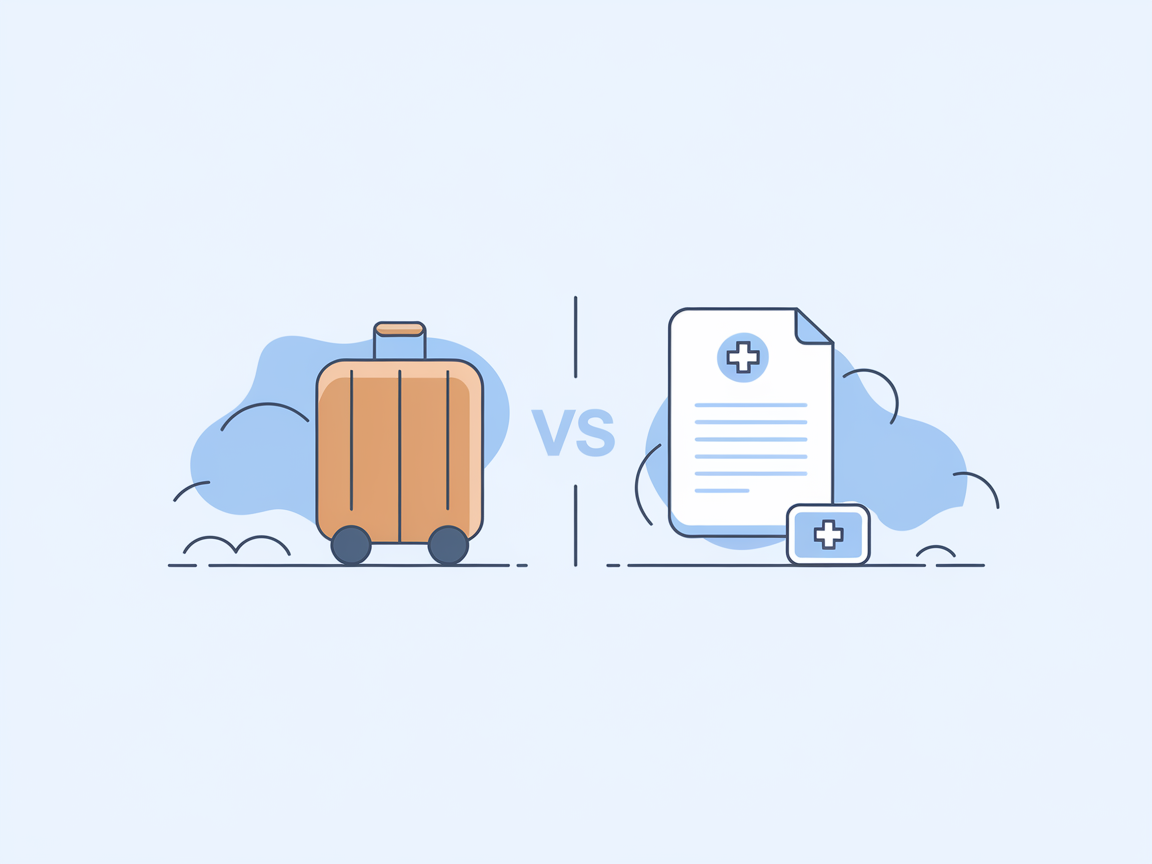
This guide compares group and individual international health insurance, covering what each offers, their limitations, and how to decide which approach works for your situation.
The Key Differences
Ownership and Portability
The fundamental difference: group insurance belongs to your employer; individual insurance belongs to you. When you leave your job, group coverage ends. Individual coverage stays with you regardless of employment status, location changes, or life transitions.
Cost Structure
Employers typically subsidize group insurance—paying 50-100% of premiums. You get quality coverage for little or no cost. Individual insurance means paying the full premium yourself, which can be $400-1,500/month depending on age and coverage level.
Underwriting Approach
Group insurance covers everyone in the group regardless of health status. Pre-existing conditions don't matter—you're covered. Individual insurance often involves medical underwriting: your health history affects premiums and coverage, with some conditions potentially excluded.
Customization
Group plans offer limited choices—usually one or two options your employer selected. Individual insurance lets you choose coverage levels, deductibles, benefits, and geographic coverage that match your specific needs.
Understanding Group Coverage
How Group Plans Work
Your employer contracts with an insurance provider for coverage. The policy covers eligible employees and often dependents. Your employer pays some or all of the premium, and you may contribute through payroll deductions.
What's Typically Included
Group plans for expats usually include comprehensive medical coverage: hospitalization, outpatient care, prescription drugs, sometimes dental and vision. Quality varies—some employers provide excellent coverage; others offer basic plans.
Geographic Limitations
Many group plans cover specific regions—your country of assignment and perhaps home country. Worldwide coverage isn't guaranteed. If you travel frequently or spend time in multiple countries, verify where your coverage applies.
The Portability Problem
When employment ends—whether you quit, are laid off, or retire—group coverage typically ends too. Some countries require continuation options (like US COBRA), but these are temporary and expensive. You lose coverage exactly when you might need it most.
Dependent Coverage
Group plans may or may not cover dependents. When they do, it might be included or require additional premium. If your spouse or children need coverage, verify exactly what the group plan provides—don't assume.
Understanding Individual Insurance
Your Policy, Your Terms
Individual international health insurance is a contract between you and the insurer. You select the plan, pay the premiums, and maintain coverage regardless of employment. It's yours to keep as long as you continue paying.
Coverage Options
Choose from multiple tiers: basic hospital-only coverage, mid-range comprehensive, or premium plans with extensive benefits. Select your deductible level, geographic coverage area, and optional add-ons like maternity, dental, or wellness benefits.
Worldwide Portability
Quality individual plans cover you worldwide or across broad regions. Move countries, travel extensively, return home temporarily—your coverage follows you. This flexibility is particularly valuable for mobile expats and digital nomads.
The Underwriting Reality
When applying for individual insurance, you'll complete medical history questionnaires. Pre-existing conditions may be excluded, covered with higher premiums, or covered after waiting periods. The healthier you are when you apply, the better your terms.
Guaranteed Renewability
Most individual international plans are guaranteed renewable—the insurer can't cancel because you get sick. Premiums increase with age but your coverage continues. This long-term security is a major advantage over group coverage.
Side-by-Side Comparison
| Factor | Group Insurance | Individual Insurance |
|---|---|---|
| Cost to you | Often subsidized by employer | You pay full premium |
| Portability | Ends with employment | Stays with you |
| Customization | Limited options | Choose your plan |
| Pre-existing conditions | Usually covered | May be excluded |
| Geographic flexibility | May be location-specific | Often worldwide |
| Family coverage | Depends on plan | Your choice |
When Group Insurance Wins
Group coverage excels when: your employer provides excellent coverage, you have significant pre-existing conditions that would affect individual underwriting, you're in a stable long-term position, and the cost savings are substantial.
When Individual Insurance Wins
Individual coverage excels when: you change jobs frequently, you're self-employed or might become so, you want coverage that travels with you, you prefer choosing your own plan, or you're planning for long-term expat life beyond this job.
The Hybrid Approach
Many expats use both: employer coverage as primary insurance while employed, supplemented by individual coverage for gaps or maintained as a backup. This provides current coverage while preserving individual policy rights for the future.
Need Your Own International Coverage?
Compare individual health insurance plans for expats. Find coverage that stays with you regardless of employment.
Compare PlansWe may earn a commission when you apply through our links. This does not affect our recommendations.
When to Supplement Group Coverage
Coverage Gaps
Your group plan may have gaps: limited dental or vision, no mental health coverage, excluded activities, or geographic restrictions. An individual supplemental policy can fill these gaps without replacing your group coverage entirely.
Family Needs
If group coverage doesn't adequately cover dependents, or if a dependent has specific needs (pregnancy planning, chronic conditions), individual coverage for family members may be necessary even while you use group insurance.
Future Planning
Getting individual insurance while healthy—even if you primarily use group coverage—locks in coverage rights for the future. When you eventually leave the employer, you have established coverage without new medical underwriting.
Geographic Flexibility
If your group plan restricts coverage geographically but you travel or spend time in non-covered regions, supplemental individual coverage for those areas provides protection your group plan doesn't.
Maternity Planning
If your group plan doesn't include maternity or has inadequate coverage, getting individual maternity coverage 10-12 months before planned conception ensures you're covered—even if you change jobs during pregnancy.
Transitioning Between Coverage Types
From Group to Individual
When leaving employer coverage for individual insurance: apply for individual coverage before your group plan ends, time the start date to avoid gaps, and be prepared for medical underwriting based on current health status.
Continuation Rights
Some group policies or jurisdictions offer continuation options—maintaining group coverage briefly after employment ends. These are typically expensive but can bridge gaps while you arrange individual coverage or during medical underwriting.
Credit for Prior Coverage
Some individual insurers credit continuous prior coverage, potentially reducing waiting periods for new individual policies. Ask about this when applying—prior group coverage may benefit your individual application.
Maintaining Individual During Group
If you have individual insurance and take a job with group coverage, consider maintaining the individual policy. Yes, you're paying for two coverages, but you preserve your individual policy's terms, pre-existing condition coverage, and guaranteed renewability.
The Coverage Gap Risk
Never let coverage lapse. A gap in coverage—even a week—can create problems: new underwriting, pre-existing condition exclusions, waiting periods. Time transitions carefully to maintain continuous coverage.
Options for the Self-Employed
No Group Option
Self-employed expats, freelancers, and entrepreneurs don't have employer coverage available. Individual international health insurance is the primary option. Budget for it as a business expense—because it is.
Professional Associations
Some professional associations offer group-like coverage for members. These plans may provide better terms than pure individual policies while remaining portable. Research associations in your field.
Business Entity Coverage
If you've formed a company, you may be able to establish a small group plan with you as the sole (or primary) employee. This can sometimes provide better terms than individual coverage, depending on jurisdiction and insurer.
Cost Considerations
Without employer subsidy, insurance is a significant expense—potentially $6,000-15,000+ annually. Factor this into business planning and pricing. It's a real cost of self-employment that employed people often don't consider.
Making the Decision
Evaluate Your Group Coverage First
Before adding or replacing, understand exactly what your group plan provides. Request the full policy document, not just the summary. Know the coverage limits, exclusions, geographic scope, and what happens when employment ends.
Consider Your Timeline
How long will you be in this job? If it's a multi-year stable position, relying primarily on group coverage may make sense. If you're likely to move on within a year or two, establishing individual coverage now protects your future.
Assess Your Health
If you're healthy now, getting individual coverage locks in good terms. If you have significant pre-existing conditions, group coverage that accepts them regardless may be valuable—but consider what happens when you leave that job.
Factor in Total Cost
Compare true costs: what you pay for group coverage plus out-of-pocket expenses, versus individual coverage premiums and out-of-pocket. "Free" group coverage with a $5,000 deductible may cost more than individual coverage with lower cost-sharing.
The Long View
Think beyond your current job. Where do you see yourself in 5-10 years? Will you still be expat? Still employed? Planning for retirement? Individual coverage provides continuity that group coverage can't match.
Frequently Asked Questions
Can I have both group and individual insurance?
Yes. Many expats maintain individual coverage while using group coverage as their primary insurance. The individual policy serves as secondary coverage or backup for when group coverage ends. Just know how coordination of benefits works.
Will my group insurance cover me if I travel?
Depends on the plan. Some group plans cover emergency care worldwide; others are limited to specific countries. Business travel is usually covered, but extended personal travel may not be. Check your specific policy.
What happens to my group coverage if I'm laid off?
Coverage typically ends with employment, though there may be a brief grace period or continuation options. Start arranging alternative coverage immediately upon notice—don't wait until the last day.
Is group insurance always better for pre-existing conditions?
Usually, yes. Group coverage typically doesn't underwrite individual health status. But if you ever leave that employer, you'll face underwriting then—possibly when you're older with more conditions. Consider the long-term picture.
Can I add my family to individual insurance if they're on my group plan?
Yes. You can have different coverage types for different family members. This might make sense if, for example, your spouse has different needs or if group dependent coverage is expensive or limited.
Should I cancel my individual policy if I get a job with good group coverage?
Consider carefully before canceling. Once you cancel individual coverage, you'd need to reapply later—with new underwriting based on your health at that time. If your individual policy terms are good, maintaining it as secondary coverage may be worthwhile.
Coverage That Fits Your Life
There's no universal answer to the group versus individual question. The right approach depends on your employment situation, health status, mobility, family needs, and long-term plans. What matters is making a deliberate choice rather than defaulting to whatever's easiest.
If you have access to quality group coverage, appreciate its value—especially the pre-existing condition coverage and employer subsidy. But don't ignore its limitations, particularly the loss of coverage when employment ends.
Individual coverage provides security and portability that group coverage can't match. For mobile expats, the self-employed, and those planning long-term international lives, owning your own policy provides continuity regardless of what else changes.