Written by
John Spencer
John Spencer is the founder of Compare Expat Plans, where he focuses on helping people compare health plans for life abroad. He emphasizes clear information, neutral analysis, and practical decision support.
Digital nomad visas, remote work permits, and freelancer visas are proliferating—over 50 countries now offer some version. Almost all require health insurance. But requirements vary: minimum coverage amounts, specific features, approved providers, documentation formats.
Getting the wrong insurance—or having the right insurance but wrong documentation—can derail your visa application. Understanding exactly what's required for your specific visa and country prevents costly mistakes.
This guide covers insurance requirements for major remote work visa programs, which providers meet those requirements, how to document your coverage for applications, and maintaining compliance throughout your visa term.
Why Remote Visas Require Insurance
No Employer Coverage
Remote workers typically aren't employed locally—they work for foreign companies or themselves. Unlike work visa holders with local employers who provide insurance, remote workers need to arrange their own coverage.
No Immediate Public Access
Digital nomad visa holders usually can't immediately access public healthcare systems. They're not paying into social security systems. Countries want assurance that healthcare costs won't fall on public systems.
Protecting the Country
From the host country's perspective, insurance requirements ensure that visitors can pay for their healthcare. An uninsured medical emergency could result in unpaid hospital bills or require repatriation support.
Protecting You
Insurance requirements also protect you. Medical emergencies abroad without insurance can be financially devastating. Mandatory insurance ensures you're covered even if you might have skipped it voluntarily.
Common Insurance Requirements
Coverage Minimums
Most remote work visas specify minimum coverage amounts. Schengen countries require €30,000 minimum (about $33,000). Some countries specify $50,000 or $100,000. A few don't specify amounts but require "comprehensive" coverage.
Coverage Types Required
Common required coverage elements: emergency medical care, hospitalization, medical evacuation, repatriation (return of remains). Some require outpatient coverage. Some specifically mention COVID-19 coverage.
Duration Requirements
Insurance must typically cover your entire visa period. If you're applying for a 1-year visa, you need 1 year of coverage—or proof of renewable coverage. Short-term travel insurance often doesn't qualify.
Valid in the Country
Your insurance must specifically cover the visa country. "Worldwide" coverage works. Regional coverage excluding that country doesn't. Some countries require the policy to specifically name them.
No Deductible Requirements
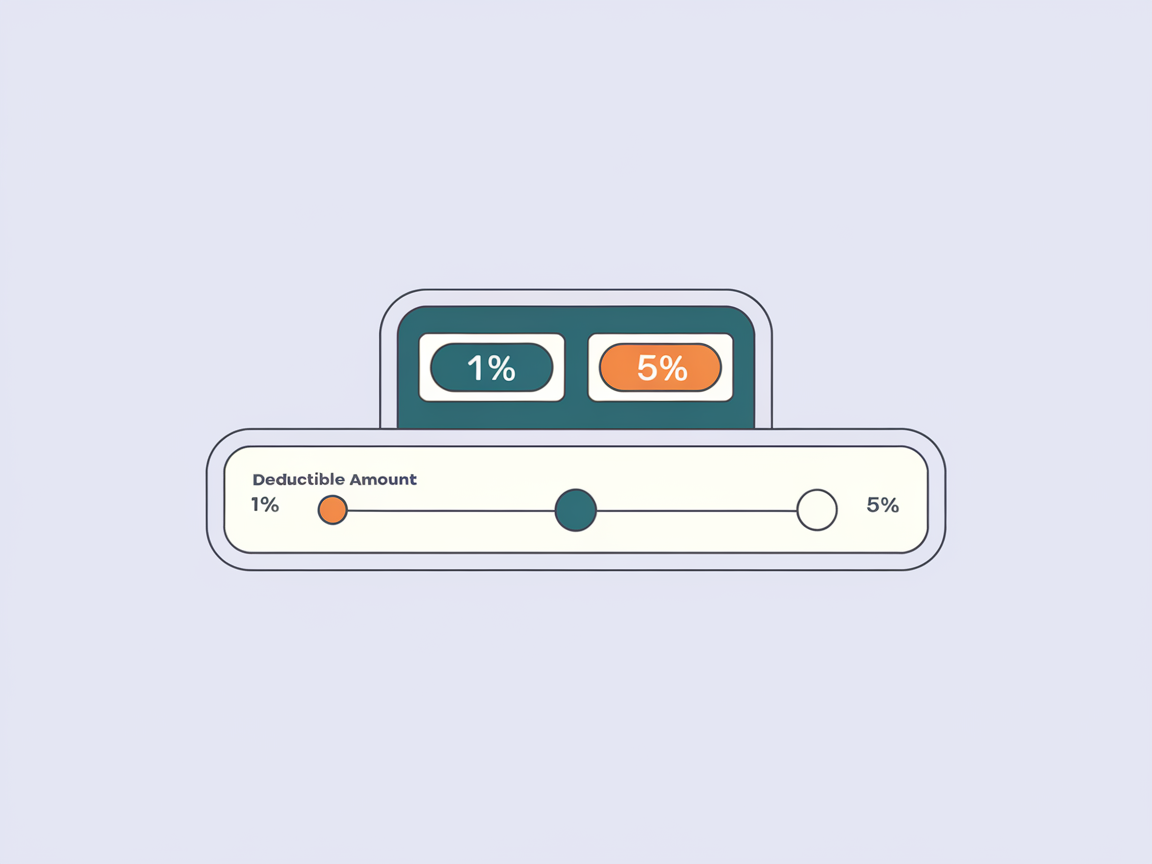
Some Schengen countries require no deductible or very low deductibles for visa-compliant insurance. High-deductible plans may not qualify even if coverage amounts are sufficient.
Country-Specific Requirements
| Country | Visa Type | Insurance Requirement | Minimum Coverage |
|---|---|---|---|
| Spain | Digital Nomad Visa | Mandatory | Public healthcare equivalent |
| Portugal | D7/Digital Nomad | Mandatory | €30,000+ coverage |
| Germany | Freelancer Visa | Mandatory | Comprehensive + no coverage gaps |
| Croatia | Digital Nomad Visa | Mandatory | €30,000 Schengen compliant |
| UAE | Remote Work Visa | Mandatory | UAE-compliant coverage |
| Thailand | LTR Visa | Mandatory | $50,000 coverage |
Spain (Digital Nomad Visa)
Spain requires insurance from a company authorized to operate in Spain, covering all risks normally covered by the Spanish public healthcare system. No copays or deductibles. Must cover the entire visa duration. Many international insurers now offer Spain-compliant policies specifically for this visa.
Portugal (D7/Digital Nomad Visa)
Portugal requires health insurance covering the Schengen area with €30,000+ in medical coverage. Travel insurance may be accepted initially, but longer stays typically require comprehensive international health insurance. After 6 months with residency, you can access the public system.
Germany (Freelancer Visa)
Germany has some of the strictest requirements. Private health insurance must be comprehensive (not just travel medical), cover the full visa period with no gaps, and meet specific standards. German authorities are known to scrutinize insurance carefully. Some insurers offer Germany-specific expat plans.
Croatia (Digital Nomad Visa)
Croatia requires Schengen-compliant insurance with €30,000 minimum coverage. Standard international health insurance or quality travel insurance meets requirements. One of the easier visa programs for insurance compliance.
UAE (Remote Work/Virtual Working Program)
UAE requires health insurance that meets UAE regulations. International insurance may need to be specifically endorsed for UAE. Some UAE-specific coverage may be required. Requirements can be complex; verify with UAE authorities or visa consultants.
Thailand (LTR Visa)
Thailand's Long-Term Residence visa requires $50,000 minimum health insurance coverage covering treatment in Thailand. For the 50+ category, additional requirements apply. Insurance must be from a provider acceptable to Thai immigration.
Czech Republic (Freelancer/Živno Visa)
Czech Republic notably requires insurance from specific Czech providers—PVZP or Maxima. International insurance, including SafetyWing, is not accepted. This is unusual but strictly enforced.
Need Visa-Compliant Coverage?
Compare international health insurance that meets digital nomad visa requirements. Find coverage accepted by major remote work visa programs.
Compare PlansWe may earn a commission when you apply through our links. This does not affect our recommendations.
Providers That Meet Requirements
Major International Insurers
Cigna Global, Allianz Care, AXA Global, and BUPA Global offer plans that meet most country requirements. Their comprehensive coverage, high limits, and established reputations satisfy visa requirements in most destinations. They provide documentation formatted for visa applications.
Expat-Focused Insurers
IMG Global, GeoBlue, and similar expat-focused insurers offer plans designed for visa compliance. Many explicitly list which visa programs their coverage satisfies. These are often more affordable than premium global insurers.
SafetyWing and Budget Options
SafetyWing's Remote Health (not Nomad Insurance) meets many visa requirements but not all—notably not Czech Republic. Budget options may meet minimum requirements but verify specifically. Lower-cost options are more likely to face scrutiny or rejection.
Country-Specific Options
Some countries have preferred or required domestic insurers. Czech Republic requires PVZP or Maxima. Germany has expat-specific insurers like Feather and Ottonova. Research country-specific options that may be simpler for compliance.
Verification Before Purchase
Before purchasing, confirm with the insurer that their policy meets your specific visa requirements. Ask for written confirmation. Better insurers have experience with visa applications and can advise on documentation.
Insurance in the Visa Application
Documentation Required
Typical documentation: insurance certificate or policy summary, proof of coverage dates, coverage amounts and types, confirmation the policy covers the specific country. Some applications require original documents; others accept digital copies.
Getting Proper Documentation
Contact your insurer for a visa application letter or certificate. Explain which visa you're applying for. Good insurers have templates for common visa programs. Ensure the document explicitly states the information required.
Timing Considerations
Insurance typically needs to be valid from your intended entry date. Policies purchased before approval are common. Some insurers allow future start dates. Coordinate insurance start date with your application timeline.
If Your Application Is Rejected
If rejected due to insurance issues, understand why. Was coverage insufficient? Wrong format? Unacceptable provider? Address the specific issue and reapply. Many insurers offer refunds if visa is denied, check cancellation policies.
Maintaining Coverage During Your Visa
Continuous Coverage Required
Your visa typically requires continuous insurance throughout your stay. Letting coverage lapse can jeopardize your visa status. Set renewal reminders well in advance of policy expiration.
Renewal Before Expiry
Renew coverage before it expires—don't wait until the last day. Processing delays could create gaps. Most insurers allow renewal 30+ days before expiry. Renew early for peace of mind.
Reporting Changes
If you change insurance providers, you may need to report this to immigration authorities. Check your visa conditions. Having proof of continuous coverage is important for visa renewals.
Visa Renewal Requirements
When renewing your visa, you'll typically need to show proof of ongoing insurance again. Same requirements apply. Maintain documentation for the visa renewal application.
Common Issues and Solutions
Travel Insurance Rejected
Many visa programs don't accept travel medical insurance—they require comprehensive health insurance. Travel insurance is designed for short-term emergencies, not long-term living. If rejected for this reason, upgrade to proper international health insurance.
Coverage Amounts Too Low
Budget insurance with $50,000 limits may not meet requirements for countries requiring higher coverage. Check minimum requirements before purchasing. Higher coverage limits cost more but ensure compliance.
Deductible Too High
Schengen visa insurance requirements typically prohibit deductibles or limit them to small amounts. High-deductible plans saving on premiums may not qualify. Choose zero or low deductible options for visa applications.
Wrong Provider
Czech Republic's requirement for specific local insurers catches people off guard. Some countries may not accept certain international insurers. Verify your insurer is acceptable before purchasing.
Documentation Issues
Insurance is valid but documentation doesn't clearly state required information. Work with your insurer to obtain properly formatted documentation. Visa application letters should explicitly address requirements.
Beyond Minimum Requirements
Minimum vs. Adequate
Visa minimum requirements are exactly that—minimums. Meeting the minimum for the visa doesn't mean the coverage is adequate for your actual healthcare needs. Consider whether minimum coverage truly protects you.
Actual Healthcare Costs
A $30,000 coverage minimum may not cover a serious hospitalization or medical evacuation. Real healthcare costs can far exceed visa minimums. Consider higher coverage for genuine protection.
Beyond Emergencies
Visa-minimum insurance often focuses on emergencies. If you want routine care, preventive services, or mental health coverage, basic visa-compliant plans may not provide it. Consider comprehensive coverage for actual healthcare needs.
The Smart Approach
Get coverage that meets visa requirements AND your healthcare needs. Don't choose insurance solely to satisfy a visa checkbox. Use the requirement as a floor, not a ceiling.
Frequently Asked Questions
Can I use travel insurance for a digital nomad visa?
Sometimes, but often no. Many digital nomad visas specifically require comprehensive health insurance, not travel medical insurance. Check your specific visa requirements. When in doubt, get comprehensive international health insurance—it always qualifies.
What if my insurance expires before my visa?
This can jeopardize your visa status. Most visas require continuous coverage. Renew before expiration. If you accidentally lapse, get new coverage immediately and hope authorities don't notice—but this is risky.
Can I switch insurers during my visa?
Usually yes, as long as there's no coverage gap and new coverage meets requirements. Some countries may require you to report insurance changes to authorities. Maintain documentation showing continuous coverage.
Does my employer's international coverage qualify?
Possibly, if it covers you in the visa country and meets minimum requirements. Get documentation from your employer/insurer specifically showing coverage details. Remote workers employed abroad often have coverage that qualifies.
What happens if my visa is denied—can I get a refund?
Many insurers offer refunds if visa is denied, especially before coverage starts. Check cancellation policies when purchasing. Policies already active are harder to refund. Ask about visa-denial refund policies upfront.
Do I need separate insurance for each Schengen country?
No. Schengen-compliant insurance covers all Schengen countries. If you have a Spain digital nomad visa with Schengen-compliant insurance, you're covered traveling throughout the Schengen area.
Insurance That Opens Doors
Health insurance is a gateway to remote work visas worldwide. Get it right, and your application proceeds smoothly. Get it wrong, and you face delays or rejection.
Research requirements for your specific visa. Choose insurance that clearly meets those requirements. Get proper documentation. And consider coverage beyond minimums for actual protection, not just visa compliance.
The right insurance doesn't just satisfy a requirement—it protects you while enabling the remote work lifestyle you're pursuing.