Written by
John Spencer
John Spencer is the founder of Compare Expat Plans, where he focuses on helping people compare health plans for life abroad. He emphasizes clear information, neutral analysis, and practical decision support.
You left the corporate world—or never entered it—to work for yourself abroad. The freedom is real, but so is the responsibility for your own health coverage. No employer is subsidizing premiums or handling enrollment. It's all on you.
Self-employed expats face unique insurance challenges. You're paying full premiums out of pocket. You may move frequently. Your income might be variable. And you need coverage that works regardless of where your clients are or where you're living.
This guide covers health insurance options for self-employed expats, what to expect cost-wise, how to choose the right coverage, and the tax and business implications of your insurance decisions.
The Self-Employed Insurance Challenge
No Employer Subsidy
Employees typically get 50-100% of health insurance premiums paid by their employer. Self-employed? You pay everything. That $600/month policy costs you the full $600, not a subsidized $150. Budget accordingly.
No Group Rates
Group insurance through employers benefits from pooled risk and negotiated rates. As an individual, you're buying retail. Premiums may be higher than equivalent employer-provided coverage.
Variable Income Reality
Self-employment income fluctuates. Great months, lean months. But insurance premiums stay constant. You need to maintain coverage during slow periods, not just when business is good.
Mobility Requirements
Many self-employed expats move frequently—following opportunities, seeking lower costs, or simply enjoying location independence. Coverage needs to work across borders, not just in one place.
It's a Business Expense
Unlike employees who might barely notice payroll deductions, you're writing checks for insurance. This makes the cost viscerally real—and makes choosing wisely more important.
Coverage Options for Self-Employed Expats
| Option | Advantages | Disadvantages |
|---|---|---|
| International health insurance | Portable, comprehensive | Full cost on you |
| Local private insurance | Often cheaper, local network | May not travel with you |
| Public system (if eligible) | Low/no cost | Contribution requirements |
| Professional association plans | Group rates possible | Limited availability |
| Travel medical insurance | Cheapest option | Not true health insurance |
International Health Insurance
Purpose-built for expats, international health insurance provides comprehensive coverage that works across borders. Cigna, Allianz, BUPA, IMG, and others offer plans for individuals. Coverage travels with you, claims are straightforward, and you're protected worldwide.
Downsides: you pay the full premium with no subsidy. Expect $400-1,000+/month depending on age, coverage level, and geographic scope. This is a significant business expense.
Local Private Insurance
If you're based in one country for the long term, local private insurance may be more affordable than international plans. Spanish, Portuguese, Thai, and other local insurers offer coverage for residents at lower rates.
Downsides: coverage may not work when you travel. Dealing with local insurers in local languages can be challenging. Quality and coverage vary significantly by country.
Public Healthcare Systems
Some countries allow self-employed residents to access public healthcare. Spain, Portugal, and others include legal residents in their systems. You may pay contributions based on income, but overall costs can be lower than private insurance.
Downsides: waiting lists for non-urgent care, bureaucratic processes, and you need to qualify as a resident. Not available to digital nomads on tourist visas.
Professional Associations
Some professional organizations offer group health insurance to members. If you're a member of an international freelancer association, design guild, or professional body, check whether they offer insurance benefits.
Travel Medical Insurance
Some self-employed expats rely on travel medical insurance (like SafetyWing Nomad Insurance) as their primary coverage. This is designed for emergencies and short-term needs, not comprehensive healthcare. It's cheaper but less complete.
What to Expect Cost-Wise
Budget 10-15% of Income
A rough rule: budget 10-15% of your income for health insurance. If you're earning $5,000/month, expect $500-750/month for quality coverage. This is a real cost of self-employment that employees don't face as directly.
Age Significantly Impacts Cost
A 30-year-old might pay $300-400/month for comprehensive international coverage. A 50-year-old pays $600-900/month for the same plan. A 60-year-old pays $1,000+/month. Age is the biggest cost driver.
Coverage Level Matters
High-deductible catastrophic coverage: $200-400/month. Comprehensive coverage with low deductibles: $500-1,000/month. Premium coverage with full benefits: $800-1,500/month. Choose based on your risk tolerance and healthcare needs.
Geographic Scope Affects Price
Excluding US coverage can reduce premiums 20-40%. If you won't be in the US and don't need US coverage, excluding it saves significant money. Worldwide including US is the most expensive option.
Annual Costs
Annual health insurance costs for self-employed expats typically range from $4,000-15,000+ depending on age and coverage. This is a major line item in your business budget—plan for it.
Self-Employed and Need Coverage?
Compare international health insurance plans for freelancers and entrepreneurs. Find coverage that fits your budget and lifestyle.
Compare PlansWe may earn a commission when you apply through our links. This does not affect our recommendations.
Choosing the Right Plan
Assess Your Mobility
How often do you move? If you're based in one place long-term, local insurance may work. If you move frequently or travel extensively, international coverage makes more sense. Be honest about your actual lifestyle.
Consider Your Health Needs
Healthy with minimal healthcare use? A high-deductible plan covering catastrophic events may be cost-effective. Regular healthcare needs, chronic conditions, or family planning? You need comprehensive coverage with good outpatient benefits.
Factor in Risk Tolerance
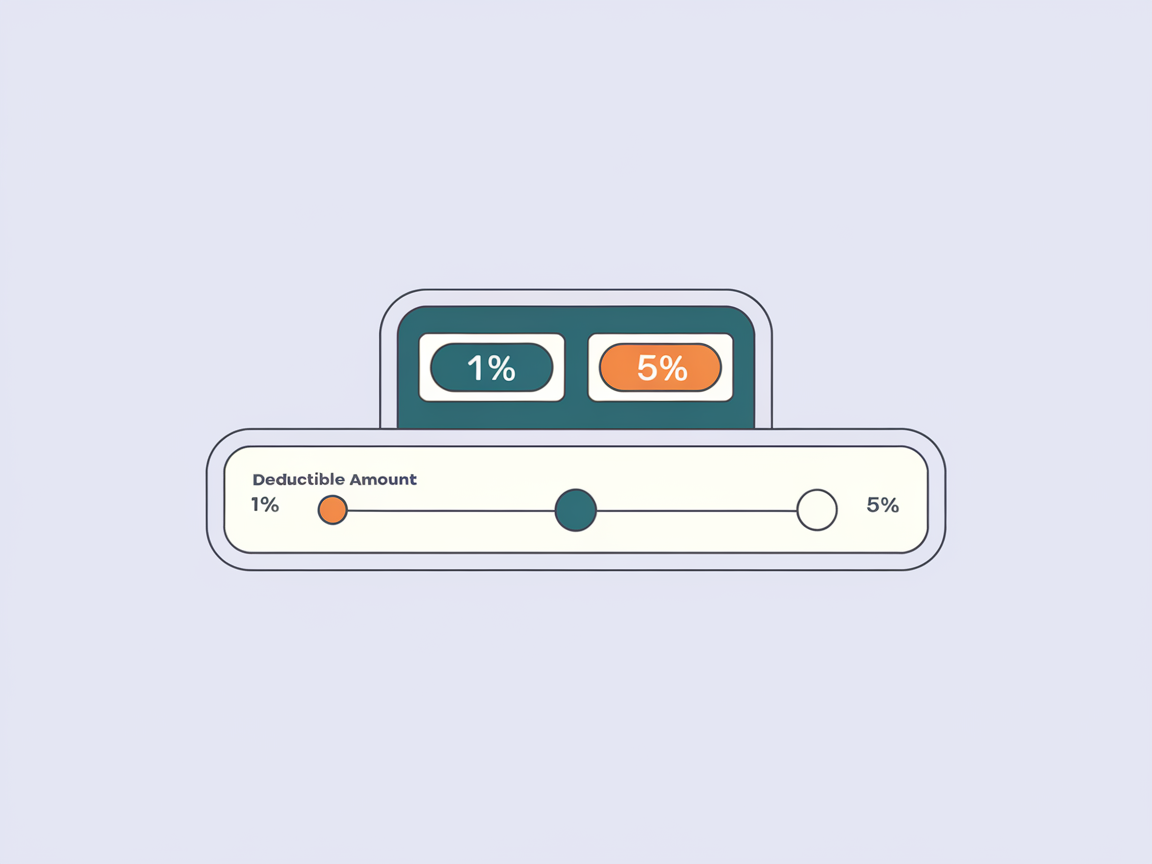
Can you absorb a $5,000 medical bill? A $20,000 bill? Higher deductibles reduce premiums but increase your out-of-pocket exposure. Choose deductibles you can actually afford to pay.
Think Long-Term
Will you be self-employed abroad for years? Choose a plan with guaranteed renewability—you can keep it regardless of health changes. One-year travel policies don't provide this security.
Don't Underinsure to Save Money
The cheapest option isn't always the best value. Inadequate coverage costs more when you actually need care. Balance premium savings against real protection.
Tax Considerations
Health Insurance as Business Expense
In many jurisdictions, health insurance premiums are deductible business expenses for self-employed individuals. This reduces your taxable income. The exact rules depend on your tax residency and how you're structured.
US Tax Considerations
US citizens abroad can deduct self-employed health insurance premiums on their US taxes, even while living overseas. This applies whether you use international or local coverage. The deduction is taken on Form 1040.
Local Tax Treatment
Your country of residence may also allow health insurance deductions. Spain, Portugal, Germany, and many other countries provide tax benefits for health insurance. Check local tax rules for your situation.
Document Everything
Keep records of all premium payments. You'll need documentation for tax purposes. Maintain invoices, payment records, and coverage confirmations.
How Business Structure Affects Insurance
Sole Proprietor / Freelancer
As a sole proprietor, you buy individual insurance directly. There's no legal separation between you and your business for insurance purposes. Individual international health insurance is your standard option.
Single-Member LLC or Company
Forming a company doesn't automatically provide group insurance benefits. A single-member company is still just you. However, you may be able to pay premiums through the company and deduct as a business expense.
Multi-Person Companies
If you have employees (even just a few), you may qualify for small group coverage. Some international insurers offer group plans starting at 2-5 employees. This can provide better terms than individual policies.
Contractor vs Employee
If you work with clients through an umbrella company or as a contractor to a larger organization, check whether any coverage is available through that relationship. Some staffing arrangements include insurance options.
Country-Specific Requirements
Visa Requirements
Many countries require proof of health insurance for self-employed visas. Spain's autónomo visa, Germany's freelancer visa, Portugal's D7—all require health coverage. The visa requirement determines minimum coverage, not optional nice-to-have.
Mandatory Contributions
Some countries require self-employed individuals to contribute to social security systems, which include health coverage. Spain's autónomo contributions, Germany's statutory insurance requirements, France's URSSAF—these may be mandatory regardless of other coverage.
Private Insurance Sufficiency
Check whether your country allows private insurance instead of public system enrollment. Germany, for example, allows private insurance only above income thresholds or for certain professions. Others require public enrollment regardless.
Local Registration
Self-employment in many countries requires registration that triggers healthcare system enrollment. The bureaucratic act of registering as self-employed may automatically enroll you in local systems with contribution requirements.
Common Mistakes to Avoid
Going Uninsured
"I'm healthy, I'll skip insurance to save money." Until you're not healthy. A single hospitalization can cost tens of thousands. The gamble isn't worth it.
Relying on Travel Insurance Long-Term
Travel medical insurance is for trips, not for living abroad. It lacks the comprehensive benefits, guaranteed renewability, and stability of proper health insurance. It's a temporary solution, not a long-term strategy.
Not Budgeting Adequately
Insurance is a real cost—$6,000-12,000+ annually for many. If this isn't in your business budget, you'll struggle to maintain coverage during slow periods. Plan for it from day one.
Ignoring Visa Requirements
Buying the cheapest possible coverage that doesn't meet visa requirements wastes money. Understand requirements before purchasing; get coverage that actually qualifies.
Letting Coverage Lapse
Gaps in coverage create problems: new underwriting, pre-existing condition exclusions, visa issues. Maintain continuous coverage even when business is slow. The cost of a gap exceeds the cost of maintaining coverage.
Frequently Asked Questions
Can I write off health insurance as a business expense?
Usually yes, depending on your jurisdiction. Self-employed health insurance is deductible in most countries. The exact mechanism varies—consult a tax professional familiar with expat situations for your specific case.
Is travel insurance enough for a digital nomad?
For short-term nomading, maybe. For long-term self-employment abroad, no. Travel insurance lacks comprehensive benefits, has trip length limits, and isn't designed for ongoing healthcare needs. Get proper international health insurance.
What if I can't afford comprehensive coverage?
Consider high-deductible plans that protect against catastrophic costs while keeping premiums lower. A $5,000 deductible plan might cost half of a $500 deductible plan. You're protected from major events while managing cash flow.
Do I need coverage in my home country too?
Depends on how much time you spend there. If you visit occasionally, your international plan likely covers it. If you spend significant time home, verify your plan's home country coverage rules—some limit it.
Can I get group insurance as a solo freelancer?
True group insurance requires a group. Some professional associations offer group-like benefits to members. Some countries (like the US) have "group of one" options for self-employed individuals. Research options specific to your situation.
What happens to my coverage if I go back to employment?
You can typically maintain individual coverage even with employer coverage—it becomes secondary insurance. Or you can cancel it (check cancellation terms). If you might return to self-employment, maintaining your individual policy preserves your coverage rights.
Own Your Coverage Like You Own Your Business
Self-employment means taking responsibility for everything—including health insurance. It's a significant cost and a significant decision. But it's also something you control, unlike employees dependent on employer choices.
Budget for quality coverage. Choose plans that match your lifestyle and needs. Understand the tax benefits available. And maintain coverage consistently—gaps are costly.
The freedom of self-employment comes with responsibilities. Health insurance is one of them. Handle it well, and you have one less thing to worry about while building your business abroad.