
Written by
John Spencer
John Spencer is the founder of Compare Expat Plans, where he focuses on helping people compare health plans for life abroad. He emphasizes clear information, neutral analysis, and practical decision support.
As an expat entrepreneur, you're responsible for your own health coverage—there's no employer to provide it. Whether you're a solo founder, running a small team, or scaling internationally, getting the right insurance protects both you and your business.
Unique Challenges for Expat Entrepreneurs
Running a business abroad creates specific insurance challenges that employees don't face:
- No employer coverage: You must arrange and pay for your own insurance
- Business continuity risk: If you're incapacitated, who runs the business?
- Multi-country operations: You may need coverage across several markets
- Visa requirements: Entrepreneur visas often mandate health insurance
- Variable income: Cash flow fluctuations affect what you can afford
- Employee obligations: Some countries require you to insure your staff
Business Continuity Matters
For solo founders especially, your health IS your business. A serious illness without coverage could mean depleted savings, business closure, and no income during recovery. Insurance is a business expense, not a personal luxury.
Protect Your Business and Health
Compare international plans that work for entrepreneurs.
See Options →We may earn a commission when you apply through our links. This does not affect our recommendations.
Coverage Options
Expat entrepreneurs typically choose from these insurance types:
Individual International Health Insurance
Comprehensive coverage for you (and family).
- Full health coverage worldwide
- Routine care, emergencies, hospitalization
- Can add spouse and dependents
- $100-300/month depending on age and coverage
Best for: Solo founders and small teams where each person gets individual coverage.
Group International Health Insurance
Cover your whole team under one policy.
- Single policy for multiple employees
- Often better rates than individual plans
- Easier administration
- Minimum 2-5 employees typically required
Best for: Companies with 3+ employees who want unified coverage and potential tax benefits.
Local Insurance Options
Depending on where you're based, local insurance may be an option:
- Mandatory systems: Some countries (Germany, Netherlands) require enrollment in local insurance
- Public healthcare: Countries like Spain or Portugal may allow access after residency
- Local private insurance: Often cheaper but limited to one country
International insurance makes more sense if you travel frequently, want worldwide coverage, or prefer English-language service.
What to Look For
When evaluating plans as an entrepreneur, prioritize:
- Geographic coverage: Does it cover all countries where you operate or travel?
- Visa compliance: Will it satisfy entrepreneur visa requirements?
- Direct billing: Can hospitals bill the insurer directly, or do you pay upfront?
- Mental health coverage: Entrepreneurship is stressful—therapy coverage matters
- Evacuation coverage: Critical if you're in countries with limited healthcare
- Flexibility: Can you upgrade/downgrade as your business situation changes?
- Pre-existing conditions: How are existing health issues handled?
Deductible Strategy
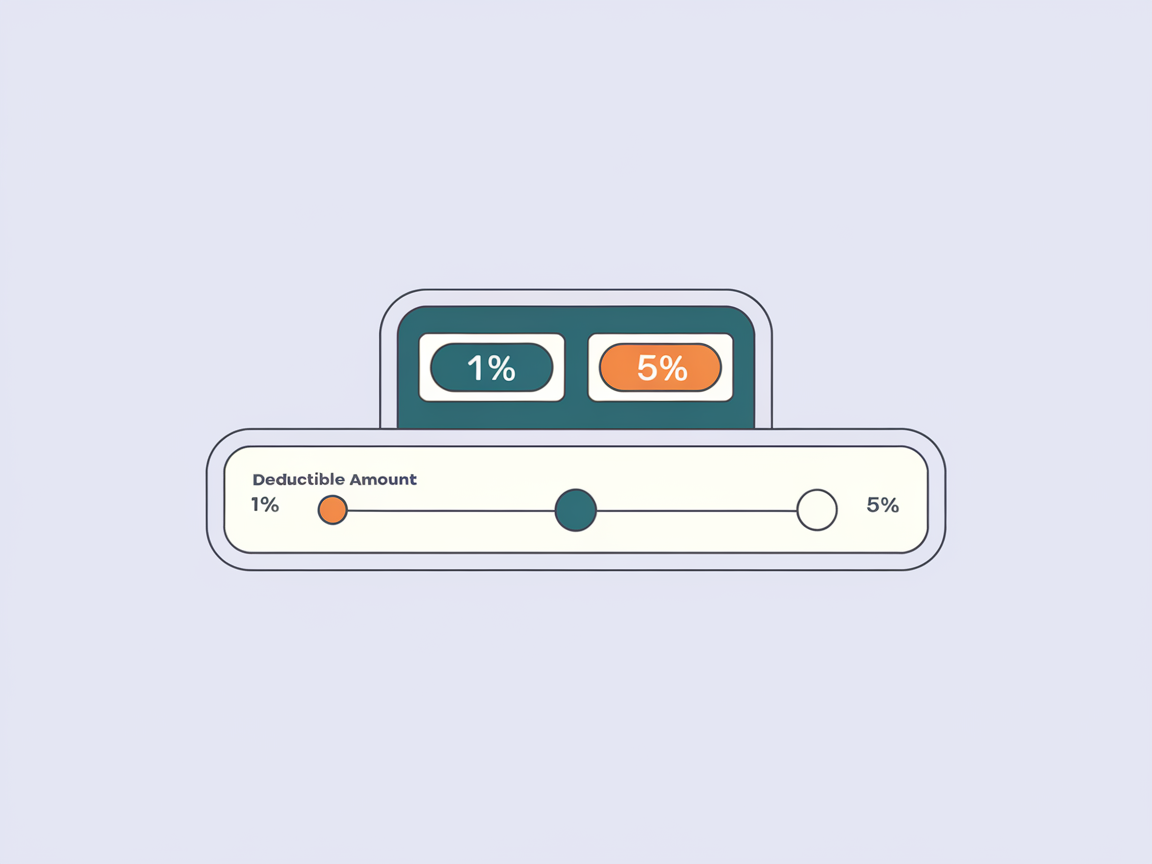
Many entrepreneurs opt for high-deductible plans ($2,500-$5,000) to lower premiums. This works well if:
- You have cash reserves to cover the deductible
- You're generally healthy
- You want catastrophic protection without paying for routine care coverage
Recommended Plans
These providers are commonly used by expat entrepreneurs, with options for both individual and group coverage.
| Provider | Best For | Group Plans | From (Individual) |
|---|---|---|---|
| Cigna Global | Established businesses | Yes (5+) | $150/mo |
| Allianz Care | EU-based entrepreneurs | Yes (3+) | $130/mo |
| BUPA Global | Premium coverage | Yes (2+) | $200/mo |
| IMG Global | Budget-conscious | Limited | $100/mo |
| Aetna International | US entrepreneurs abroad | Yes (5+) | $160/mo |
For Solo Founders
IMG Global or Allianz Care offer good value for individuals. IMG's high-deductible options keep costs low while providing solid coverage.
For Growing Teams
Cigna Global and BUPA Global have established group plans that scale well. BUPA allows groups as small as 2 people, making it accessible for early-stage companies.
For US Entrepreneurs Abroad
Aetna International or GeoBlue provide good US network access when you return home, which matters if you maintain US ties or visit frequently.
Get Quotes for Your Business
Compare individual and group plan options.
Compare Plans →We may earn a commission when you apply through our links. This does not affect our recommendations.
Covering Employees
If you have employees, you'll need to consider:
Legal Requirements
Many countries require employers to provide health insurance:
- UAE: Mandatory employer-provided insurance
- Singapore: Required for foreign workers
- Germany: Contribution to statutory insurance required
- US: ACA requirements for 50+ employees
Group Plan Minimums
Most international insurers require minimum group sizes:
- BUPA Global: 2+ employees
- Allianz Care: 3+ employees
- Cigna Global: 5+ employees
- Aetna International: 5+ employees
For smaller teams, individual policies may be more practical.
Remote Team Considerations
If your team is distributed across countries:
- International group plans can cover employees in multiple countries
- Some providers have restrictions on certain countries
- Local insurance may be required in addition to international coverage in some jurisdictions
Tax Considerations
Health insurance costs can often be tax-advantaged for business owners:
- Business expense: Insurance premiums are typically deductible as a business cost
- Employee benefits: Group insurance contributions are usually tax-deductible
- VAT/GST: In some jurisdictions, business insurance is VAT-exempt
Note: Tax treatment varies significantly by country and business structure. Consult a tax advisor familiar with your jurisdiction to optimize insurance-related deductions.
Insurance by Business Stage
Pre-Revenue / Early Stage
Budget is tight, but you still need protection.
- Consider high-deductible individual plans ($100-150/month)
- SafetyWing for very early stage / nomadic founders
- Focus on catastrophic coverage and evacuation
Revenue-Generating / Small Team
More predictable income, possibly first hires.
- Upgrade to comprehensive individual plans
- Consider group coverage if 3+ employees
- Health insurance as recruitment tool for talent
Scaling / Established
Larger team, multiple locations, more complexity.
- Group international health insurance
- Consider working with an international benefits broker
- May need country-specific plans in addition to global coverage
Common Questions
Can I deduct health insurance as a business expense?
In most jurisdictions, yes—health insurance premiums are a legitimate business expense. However, the specific treatment (pre-tax, deductible, etc.) varies by country and business structure. Consult a local accountant.
What if I'm between companies or pivoting?
Individual international health insurance stays with you regardless of your business situation. This is an advantage over employer-provided coverage—your insurance doesn't depend on any single company's success.
Do I need insurance for contractor teams?
Generally, contractors are responsible for their own insurance. However, offering to cover or subsidize insurance can be a competitive advantage when hiring top contractors. Some group plans allow contractor inclusion.
What about key person insurance?
Key person insurance (covering the business if a crucial person becomes incapacitated) is separate from health insurance. If you're a solo founder or have key employees, this is worth considering alongside health coverage.
How do I handle insurance during fundraising or acquisition?
Individual plans provide continuity regardless of corporate changes. If you have a group plan, acquisitions or major restructuring may require plan transitions—work with your broker to ensure no coverage gaps.
Get the Right Coverage for Your Business
Compare plans designed for international entrepreneurs.
Find My Plan →We may earn a commission when you apply through our links. This does not affect our recommendations.
Disclaimer: This guide is for informational purposes only. Insurance needs vary based on individual circumstances, business structure, and jurisdiction. We are not insurance brokers or licensed advisors. Consult with insurance professionals and tax advisors for your specific situation.