
Written by
John Spencer
John Spencer is the founder of Compare Expat Plans, where he focuses on helping people compare health plans for life abroad. He emphasizes clear information, neutral analysis, and practical decision support.
Why You Need Coverage
Studying abroad is an incredible experience, but being far from home without health insurance can turn a minor illness into a major crisis. You need coverage for:
- Doctor visits when you get sick (it happens to everyone)
- Urgent care and emergency room visits
- Prescriptions you need to fill abroad
- Mental health support (studying abroad can be stressful)
- Accidents and injuries
- Meeting visa and university requirements
Don't assume your parents' insurance covers you abroad—most domestic plans provide very limited international coverage, if any.
Find Student Health Coverage
Compare plans designed for students studying internationally.
See Student Plans →We may earn a commission when you apply through our links. This does not affect our recommendations.
University Requirements
Most universities abroad have health insurance requirements for international students. Understanding these is crucial before you enroll in any plan.
Common Requirements
Universities typically require:
- Minimum coverage amounts (e.g., $100,000+ for medical expenses)
- Medical evacuation coverage
- Repatriation of remains coverage
- Coverage for the entire enrollment period
- Sometimes mental health coverage requirements
University-Sponsored Plans
Many universities offer their own health insurance plans or have partnerships with insurers. These are often:
- Convenient: Automatic enrollment, easy to use
- Compliant: Guaranteed to meet school requirements
- Sometimes overpriced: May cost more than independent options
- Variable quality: Coverage levels vary widely
Waiving School Insurance
Most schools allow you to waive their insurance if you have comparable coverage. To waive successfully:
- Review the waiver requirements carefully
- Ensure your plan meets all minimum coverage levels
- Submit waiver paperwork by the deadline
- Keep proof of coverage throughout your enrollment
Coverage Options
International students typically choose from these insurance types:
Student-Specific Plans
Companies like ISO, GeoBlue, and HTH offer plans designed specifically for international students. These are usually:
- Affordable for student budgets
- Designed to meet university requirements
- Good coverage for common student needs
- May have age limits (typically under 30-35)
International Health Insurance
Comprehensive plans from Cigna, Allianz, or IMG. Better coverage but more expensive. Consider if:
- You have ongoing health conditions
- You want premium coverage and provider networks
- You're doing a longer program (full degree abroad)
- Budget is less of a concern
Travel Medical Insurance
Budget options like SafetyWing or World Nomads. May work for short programs but often don't meet university requirements for full enrollment periods.
Recommended Plans
Here are plans commonly used by international students:
| Provider | Type | Coverage Level | From |
|---|---|---|---|
| ISO Insurance | Student-specific | Comprehensive | $40/mo |
| IMG Global | Expat Health | Comprehensive | $80/mo |
| GeoBlue Navigator | Student/Exchange | Comprehensive | $50/mo |
| SafetyWing | Travel Medical | Basic | $45/mo |
| Cigna Global | Expat Health | Premium | $120/mo |
Best for Most Students
ISO Insurance and GeoBlue Navigator are designed specifically for students studying abroad. They typically meet university requirements and offer good coverage at student-friendly prices.
Best for Budget-Conscious Students
SafetyWing is affordable but may not meet all university requirements. Verify with your school before relying on travel medical insurance alone.
Best for Premium Coverage
IMG Global or Cigna Global if you want comprehensive coverage comparable to good domestic insurance. Better for students with health conditions or those pursuing full degrees abroad.
Compare Student Plans
Find coverage that meets your school's requirements and your budget.
Get Quotes →We may earn a commission when you apply through our links. This does not affect our recommendations.
Cost-Saving Tips
Student budgets are tight. Here's how to get good coverage without overspending:
Compare the School Plan
Don't automatically accept the university plan. Compare its coverage and cost against independent options. Sometimes the school plan is a good deal; sometimes you can do better.
Choose Higher Deductibles
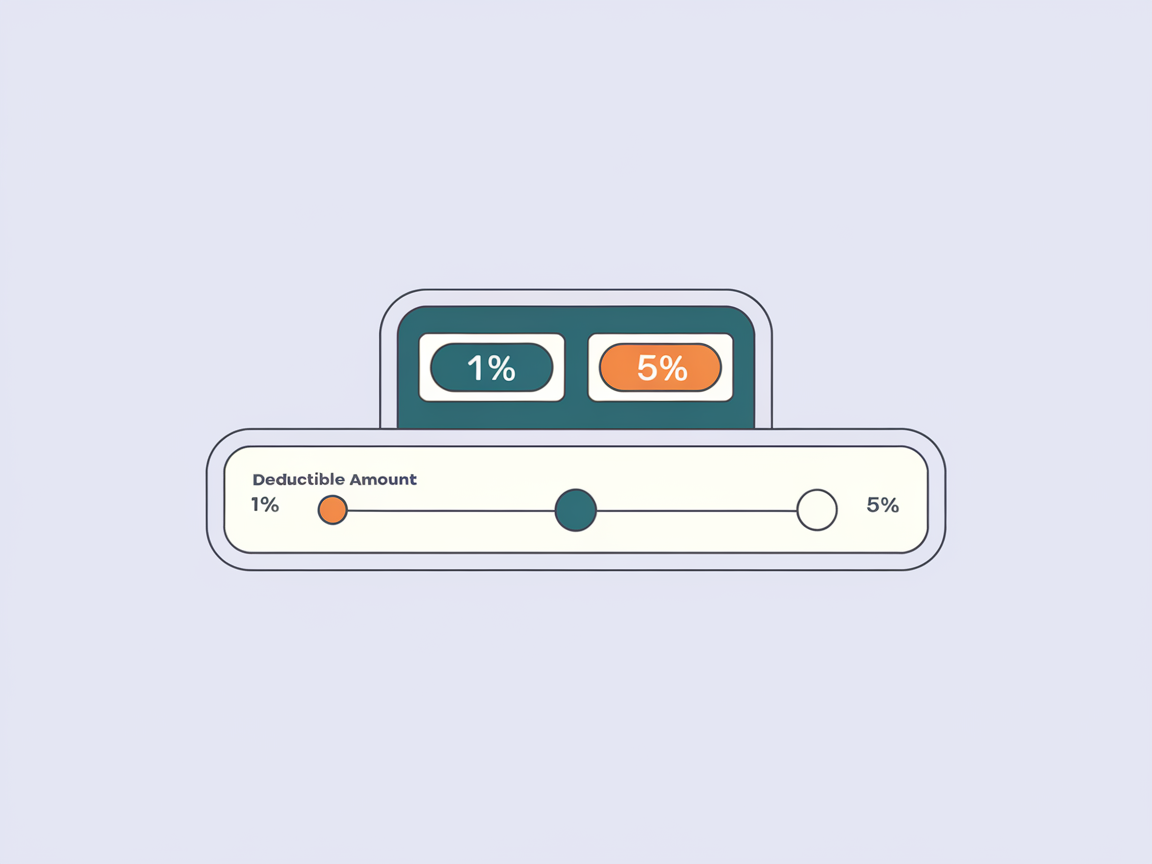
If you're healthy and mainly need coverage for emergencies, a higher deductible plan saves money on premiums. You pay more if something happens, but monthly costs are lower.
Look for Student Discounts
Some insurers offer student rates. Ask specifically about student pricing when getting quotes.
Consider Country-Specific Options
Some countries offer student health coverage or allow access to public healthcare. For example:
- France: Students can access the French social security system
- Germany: Public health insurance is available and often required
- UK: NHS access may be available for longer programs
Pay Annually
Many insurers offer discounts for paying annually rather than monthly. If you can afford the upfront cost, this saves money over the policy period.
Common Questions
Does my parents' insurance cover me abroad?
Usually not adequately. Most US health plans provide very limited international coverage—typically just emergency care with low limits. You'll likely need dedicated international coverage.
What's the difference between study abroad and degree-seeking students?
Study abroad (semester or year) students often need coverage just for that period. Degree-seeking students studying full-time abroad need longer-term coverage, possibly including summer breaks.
What about mental health coverage?
This varies significantly by plan. Studying abroad can be stressful, so mental health coverage matters. Check if the plan covers:
- Outpatient therapy sessions
- Psychiatric consultations
- Crisis intervention
Also look into what support your university provides—many have counseling services available to all students.
What if I get sick right before finals?
Your insurance should cover doctor visits and treatment. For missing exams, that's an academic issue—check your university's policies on medical accommodations and make sure to get documentation from your healthcare provider.
Can I stay on my plan during summer breaks?
Depends on the plan and your situation. Some student plans only cover the academic year. If you're staying in your host country or traveling, make sure you have continuous coverage.
What about coverage for sports or adventure activities?
Basic plans may exclude certain activities. If you'll be skiing, playing sports, or doing adventure activities, check if the plan covers injuries from these activities or if you need additional coverage.
Ready to Get Covered?
Find health insurance that works for your study abroad experience.
Find My Plan →We may earn a commission when you apply through our links. This does not affect our recommendations.
Disclaimer: This guide is for informational purposes only. Insurance requirements vary by university and country. We are not insurance brokers or licensed advisors. Always verify coverage details with insurance providers and confirm requirements with your university's international student office.