Written by
John Spencer
John Spencer is the founder of Compare Expat Plans, where he focuses on helping people compare health plans for life abroad. He emphasizes clear information, neutral analysis, and practical decision support.
Full comprehensive coverage might cost $300-500/month. But if you're healthy, young, or living in a low-cost healthcare country, you can get meaningful protection for a fraction of that. The key is understanding what you're trading off for lower premiums.
Our Top Picks for Budget Coverage
These options provide real protection at prices that work for budget-conscious expats. Each involves trade-offs—understand what you're getting before choosing.
SafetyWing — Best Overall Budget Option
The good: At $42/month for ages under 40, SafetyWing is remarkably affordable. Subscription model means no long-term commitment—pay monthly, cancel anytime. Covers emergencies, hospitalization, and urgent care. Includes two children free per adult. Works while traveling between countries.
The limits: This is travel medical insurance, not health insurance. No routine care, no pre-existing conditions, $250 deductible per incident. $250,000 coverage limit. US coverage limited to short visits. Not suitable if you need regular medical care.
Best for: Young, healthy expats who want emergency protection without paying for coverage they won't use. Perfect for digital nomads, gap year travelers, and budget-conscious remote workers.
World Nomads — Best for Active Travelers
The good: Covers adventure activities that SafetyWing doesn't—motorcycles, diving, climbing. Trip protection included (delays, lost luggage). Higher coverage limits available. Can extend while abroad.
The limits: More expensive than SafetyWing ($80-150/month). Still travel medical, not comprehensive. Pre-existing conditions excluded. Trip-based pricing rather than subscription.
Best for: Active travelers who need adventure sports coverage but still want budget-friendly pricing.
IMG Global Basic — Best Mid-Range Budget
The good: IMG offers travel medical plans with flexible coverage limits ($50K to $1M). More plan customization than SafetyWing. Better network in some regions. Various deductible options to balance cost and coverage.
The limits: Travel medical limitations apply. Application process slightly more complex. Pricing varies more by destination and coverage choices.
Best for: Those wanting more coverage customization than SafetyWing while staying in budget territory.
Cigna High Deductible — Best Budget Comprehensive
The good: Real international health insurance with Cigna's network and reputation. High deductibles ($2,500-5,000) reduce premiums significantly. Covers routine care after deductible. Chronic conditions covered once enrolled. Guaranteed renewable.
The limits: Still more expensive than travel medical ($150-250/month). You'll pay out of pocket until hitting deductible. Not the cheapest option for purely emergency coverage.
Best for: Those who want real health insurance but are willing to self-insure for routine care in exchange for lower premiums.
| Provider | Coverage Type | Max Coverage | Routine Care | Monthly Cost |
|---|---|---|---|---|
| SafetyWing | Travel medical | $250,000 | No | $42-84 |
| World Nomads | Travel medical | $100K-2.5M | No | $80-150 |
| IMG Global (basic) | Travel medical | $50K-1M | No | $75-125 |
| Cigna (high deductible) | Comprehensive | Unlimited | After deductible | $150-250 |
On a Budget But Need Coverage?
Compare affordable options that provide real protection. Get quotes in minutes.
Compare Budget PlansWe may earn a commission when you apply through our links. This does not affect our recommendations.
Budget Coverage Trade-Offs
Emergency vs. Comprehensive
Budget options typically cover emergencies—hospitalization, urgent care, accidents. They don't cover routine doctor visits, preventive care, or ongoing treatment. You're protected against catastrophe but pay out of pocket for everyday healthcare.
In many countries, routine care is cheap enough to pay directly. A $30 doctor visit doesn't need insurance. A $50,000 hospitalization does. Budget coverage addresses the real financial risk.
Pre-Existing Conditions
Travel medical insurance excludes pre-existing conditions. If you have ongoing health issues requiring treatment, budget options won't cover them. You'll need comprehensive coverage or plan to pay for that care directly.
Coverage Limits
SafetyWing's $250,000 limit is adequate for most situations but not worst-case scenarios. Major trauma, cancer treatment, or extended ICU stays can exceed this. Higher limits cost more. Assess your risk tolerance.
Network and Direct Billing
Budget plans have smaller networks and less direct billing. You may pay upfront and seek reimbursement. This works if you have savings to cover initial costs; it's problematic if you don't.
Understanding Coverage Levels
Travel Medical Insurance ($40-150/month)
Covers unexpected illness and injury. Emergency room visits, hospitalization, emergency surgery, medical evacuation. Does not cover routine care, check-ups, or pre-existing conditions. Think of it as catastrophic coverage.
High-Deductible Comprehensive ($150-300/month)
Real health insurance with $2,500-5,000 deductibles. Covers everything after you meet the deductible. Pre-existing conditions covered (after waiting periods). Guaranteed renewable. Better networks and direct billing than travel medical.
Standard Comprehensive ($300-500/month)
Full coverage with low or no deductibles. Routine care, preventive services, chronic conditions. Maximum network access and direct billing. This is what budget options are cheaper than—and what you might upgrade to later.
Not Sure What Level You Need?
Your health, location, and risk tolerance determine the right coverage level. Get personalized guidance.
Get RecommendationsWe may earn a commission when you apply through our links. This does not affect our recommendations.
Strategies to Save Money
Choose Higher Deductibles
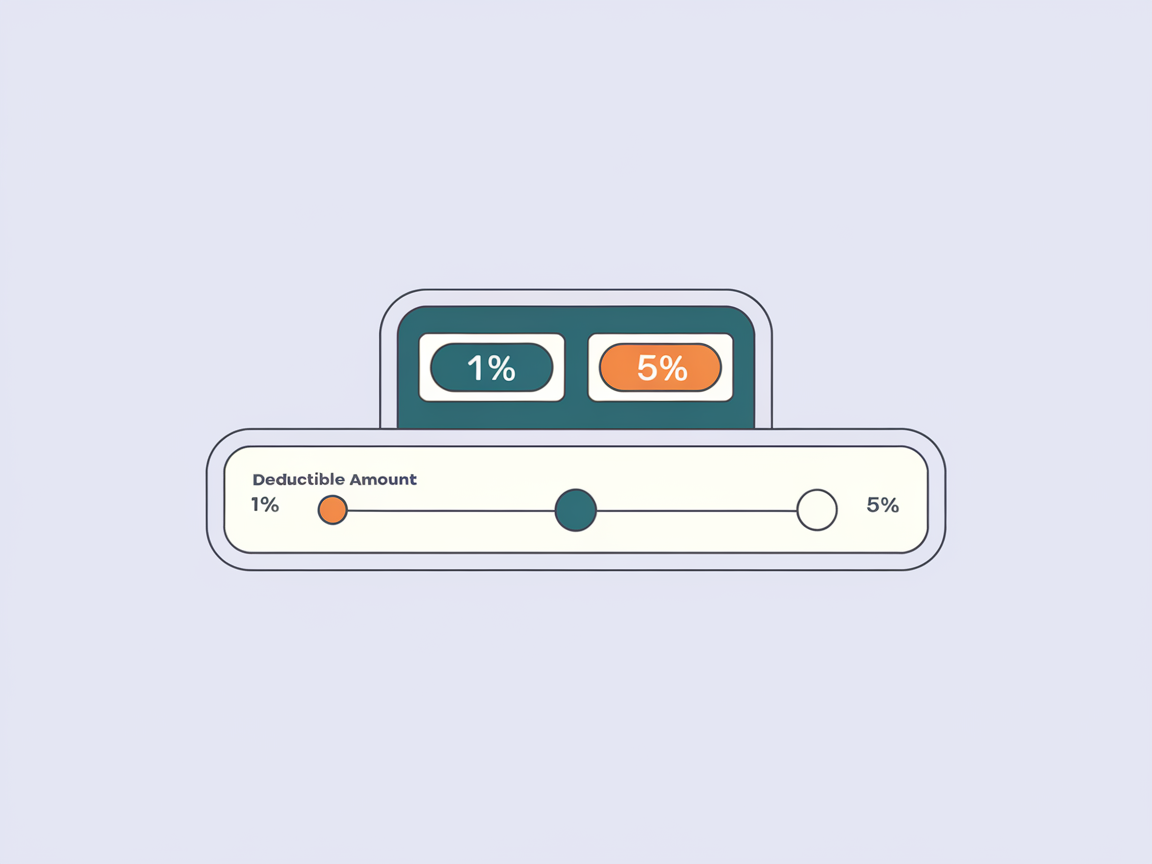
If you're getting comprehensive coverage, higher deductibles significantly reduce premiums. A $5,000 deductible might cut premiums by 30-40% compared to a $500 deductible. You're betting on staying healthy—when you win, you save money.
Exclude the US
US healthcare is extraordinarily expensive. Plans including US coverage cost 30-50% more. If you won't need US healthcare, excluding it saves significant money. You can still visit the US—just not for medical care.
Skip Unnecessary Benefits
Dental, vision, and maternity riders add cost. If you don't need them, don't pay for them. Modular plans let you choose only what you need. Be honest about what coverage you'll actually use.
Consider Local Options
In some countries, local insurance is much cheaper than international coverage. Combine local coverage for routine care with international coverage for catastrophic protection and evacuation.
Pay Annually
Many insurers offer discounts for annual payment versus monthly. If you can afford it, paying upfront saves 5-10% on premiums.
When to Upgrade Coverage
Developing Health Conditions
If you develop a chronic condition, travel medical won't cover it. Upgrade to comprehensive coverage while you're still healthy—once you have conditions requiring treatment, getting comprehensive coverage becomes harder and more expensive.
Getting Older
Health risks increase with age. What works at 28 might not work at 45. As you age, the gap between travel medical and comprehensive coverage becomes more significant. Consider upgrading before issues arise.
Starting a Family
Kids need routine care—vaccinations, checkups, frequent minor illnesses. Travel medical doesn't cover this. Families typically need comprehensive coverage. Plan the upgrade before pregnancy if maternity coverage matters.
Settling Long-Term
If your temporary stay becomes permanent, consider transitioning from travel medical to comprehensive coverage. Long-term residents benefit from the security of guaranteed renewable policies and broader coverage.
Destination Healthcare Costs
Low-Cost Healthcare Countries
In Mexico, Thailand, Portugal, and similar countries, routine healthcare is affordable out of pocket. A doctor visit might cost $20-50. Prescription medications are cheap. Budget coverage makes more sense when routine care is affordable anyway.
High-Cost Healthcare Countries
In Switzerland, Singapore, the US, and similar countries, even routine care is expensive. A simple doctor visit might cost $200+. Budget coverage is riskier when any medical need creates significant expense.
Matching Coverage to Location
Your destination's healthcare costs should influence coverage choice. In Thailand, travel medical plus out-of-pocket routine care works well. In Singapore, you probably want comprehensive coverage despite the cost.
Choosing the Right Plan
Young and Healthy
SafetyWing at $42/month is hard to beat. You get emergency protection without paying for routine care you won't use. Accept the limitations and enjoy the savings.
Active Lifestyle
If motorcycles, diving, or adventure sports are part of your life, World Nomads covers activities SafetyWing doesn't. The extra cost is worth it if you need that coverage.
Want Real Insurance
High-deductible comprehensive plans from Cigna, Allianz, or similar provide real health insurance at reduced cost. You get guaranteed renewal, chronic condition coverage, and better networks—just with higher out-of-pocket costs.
Minimal Coverage
Some expats in low-cost countries opt for evacuation-only coverage, paying for all other care directly. This is the most budget-friendly approach but carries real risk. Only consider this if you have significant savings and are in a country with affordable healthcare.
Ready to Find Affordable Coverage?
Compare budget options that still provide meaningful protection. Get quotes matched to your budget.
Compare Budget OptionsWe may earn a commission when you apply through our links. This does not affect our recommendations.
Common Questions
What's the cheapest expat insurance?
SafetyWing at $42/month (ages under 40) is the cheapest meaningful coverage. Some local plans may cost less but typically don't provide international coverage or evacuation benefits. Below this price point, you're likely looking at inadequate coverage.
Is budget coverage enough protection?
For emergencies, yes. For comprehensive healthcare, no. Budget options protect against catastrophic medical expenses. They don't cover routine care, pre-existing conditions, or ongoing treatment. If you're healthy and just need emergency protection, budget coverage works.
What's the risk of cheap coverage?
Lower coverage limits (might not cover worst-case scenarios), excluded pre-existing conditions, no routine care, smaller networks, more out-of-pocket costs. You're trading comprehensive protection for lower premiums. Understand what you're giving up.
Can I upgrade later?
Yes, but with caveats. Conditions that develop while on travel medical become pre-existing for new comprehensive coverage. Upgrade while healthy. Don't wait until you need better coverage—by then it's harder to get.
Should I just pay out of pocket?
For routine care in low-cost countries, often yes. A $30 doctor visit doesn't need insurance. But for emergency hospitalization, evacuation, and serious illness? No. These can cost $50,000-500,000+. Budget insurance protects against the expenses that would be financially devastating.
Does cheap coverage meet visa requirements?
Sometimes. Some countries accept travel medical insurance. Others require comprehensive coverage with specific minimums. Check your visa requirements before choosing coverage—the cheapest option may not qualify.
This information is for educational purposes. Budget coverage involves trade-offs that may not be appropriate for everyone. Consider your health status, risk tolerance, and destination healthcare costs. Verify coverage details with insurers before purchasing. Last updated: April 2026.