
Written by
John Spencer
John Spencer is the founder of Compare Expat Plans, where he focuses on helping people compare health plans for life abroad. He emphasizes clear information, neutral analysis, and practical decision support.
Top Picks for Catastrophic Coverage
These insurers offer the best high-deductible options:
Best Catastrophic Coverage
Cigna Global
High-deductible options with excellent underlying coverage and global network.
Best Value
IMG Global
Affordable high-deductible plans with good coverage limits for the price.
Best for Nomads
SafetyWing
Travel-style catastrophic coverage at very low cost for digital nomads.
Key Concept
High Risk, Low Premium
You pay more out-of-pocket for routine care but are protected against major expenses.
What Catastrophic Coverage Means
Catastrophic insurance protects against major medical expenses with high deductibles:
The Basic Concept
- Very high deductible ($2,500-10,000+)
- Much lower monthly premiums
- You pay for routine care out-of-pocket
- Insurance kicks in for major expenses
- Protects against financial catastrophe
What's Covered
- Hospital stays (after deductible)
- Surgery and major procedures
- Emergency care
- Cancer treatment
- Serious accidents and illness
- Everything a comprehensive plan covers—after deductible
What You Pay Out-of-Pocket
- All costs up to your deductible
- Doctor visits (likely under deductible)
- Routine prescriptions
- Minor procedures
- Preventive care (unless plan includes pre-deductible)
Protection Without High Premiums
Compare catastrophic insurance options.
Compare PlansWe may earn a commission when you apply through our links. This does not affect our recommendations.
Catastrophic Plan Comparison
| Provider | High-Deductible Option | Deductible Range | Monthly Premium | Coverage Limit |
|---|---|---|---|---|
| Cigna Global | Yes | $5,000-10,000 | $100-200 | $1M+ |
| IMG Global | Yes | $2,500-5,000 | $50-150 | $1M-5M |
| SafetyWing | Yes (travel) | $250-500 | $45-100 | $250K |
| Allianz Care | Yes | $2,500-5,000 | $80-180 | $1M+ |
| GeoBlue | Yes | $2,500-5,000 | $100-200 | $1M-5M |
Detailed Reviews
Cigna Global — Best Catastrophic Coverage
Cigna Global offers high-deductible plans with excellent underlying benefits.
What works well:
- Deductible options up to $10,000
- 50%+ premium savings with high deductible
- Same excellent coverage after deductible
- Global provider network
- $1M+ coverage limits
- All benefits accessible once deductible met
- Can change deductible at renewal
Considerations: Still premium pricing vs. budget insurers. Requires financial reserves for deductible. Best for those wanting quality coverage with cost control.
Read our full Cigna Global review
IMG Global — Best Value
IMG Global provides affordable high-deductible options.
What works well:
- Very competitive premiums
- Deductibles from $2,500-5,000
- $1M-5M coverage limits
- Global coverage available
- Straightforward plans
- Good for healthy individuals
Considerations: More limited network than premium insurers. Best for those prioritizing low cost. Good catastrophic protection.
Read our full IMG Global review
SafetyWing — Best for Nomads
SafetyWing offers travel-style catastrophic coverage at very low cost.
What works well:
- Just $45/month starting price
- $250 deductible (lower than typical catastrophic)
- Good emergency and hospital coverage
- Perfect for digital nomads
- Easy sign-up and management
- No long-term commitment
Considerations: $250K coverage limit (lower than others). Travel insurance style—not traditional health insurance. Best for young, healthy nomads.
Read our full SafetyWing review
How Catastrophic Insurance Works
| Factor | Catastrophic Plan | Comprehensive Plan |
|---|---|---|
| Monthly premium | $50-200 | $300-800+ |
| Annual deductible | $2,500-10,000 | $0-1,000 |
| Routine care | Pay out-of-pocket | Covered (copay) |
| Major illness/accident | Fully covered after deductible | Fully covered |
| Best for | Healthy individuals | Regular healthcare users |
| Financial risk | Higher (up to deductible) | Lower |
The Math
Understanding the trade-off:
- Comprehensive plan: $500/month = $6,000/year in premiums
- Catastrophic plan: $150/month = $1,800/year in premiums
- Savings: $4,200/year
- Your risk: $5,000 deductible
- Net: Even if you hit your deductible, you save money
When It Makes Sense
Catastrophic coverage works when:
- You're healthy and rarely use healthcare
- You can afford to pay the deductible if needed
- You'd rather save on premiums
- You have emergency savings
- Your expected healthcare costs are low
When It Doesn't Make Sense
- You have chronic conditions requiring regular care
- You expect to use healthcare frequently
- You can't afford a large unexpected expense
- You have young children (frequent doctor visits)
- You prefer predictable costs
The Emergency Fund Requirement
Critical consideration:
- Keep deductible amount in accessible savings
- $5,000 deductible = $5,000 emergency fund minimum
- Must be available immediately if needed
- Don't choose high deductible without this cushion
Calculate Your Savings
See how much you could save with catastrophic coverage.
Compare PlansWe may earn a commission when you apply through our links. This does not affect our recommendations.
Who Should Consider Catastrophic Insurance
Ideal Candidates
- Young, healthy adults: Low expected healthcare use
- Self-employed with savings: Can handle deductible, need low premiums
- Digital nomads: Want protection without high ongoing costs
- Early retirees: Bridge coverage with cost control
- Those with local coverage: Supplement for international emergencies
Not Recommended For
- Families with young children: Kids get sick frequently
- Those with chronic conditions: Regular care exceeds savings
- Pregnant or planning pregnancy: Maternity care is expensive
- Older adults: Healthcare needs increase with age
- Those without emergency savings: Can't afford deductible
Strategies for Using Catastrophic Coverage
- Health savings: Put premium savings into emergency fund
- Preventive focus: Invest in wellness to avoid major issues
- Negotiate cash pay: Many providers offer discounts for cash
- Use local options: Routine care may be cheap locally
- Annual review: Reassess as health/life situation changes
Catastrophic + Local Care
A popular combination:
- Catastrophic international plan for major expenses
- Pay cash for routine local care (often cheap abroad)
- Best of both: protection + low ongoing costs
- Works well in countries with affordable healthcare
Frequently Asked Questions
What's the difference between catastrophic and high-deductible insurance?
They're essentially the same thing. "Catastrophic" emphasizes protection against major expenses. "High-deductible" describes the mechanism. Both mean you pay more out-of-pocket before insurance kicks in, in exchange for lower premiums.
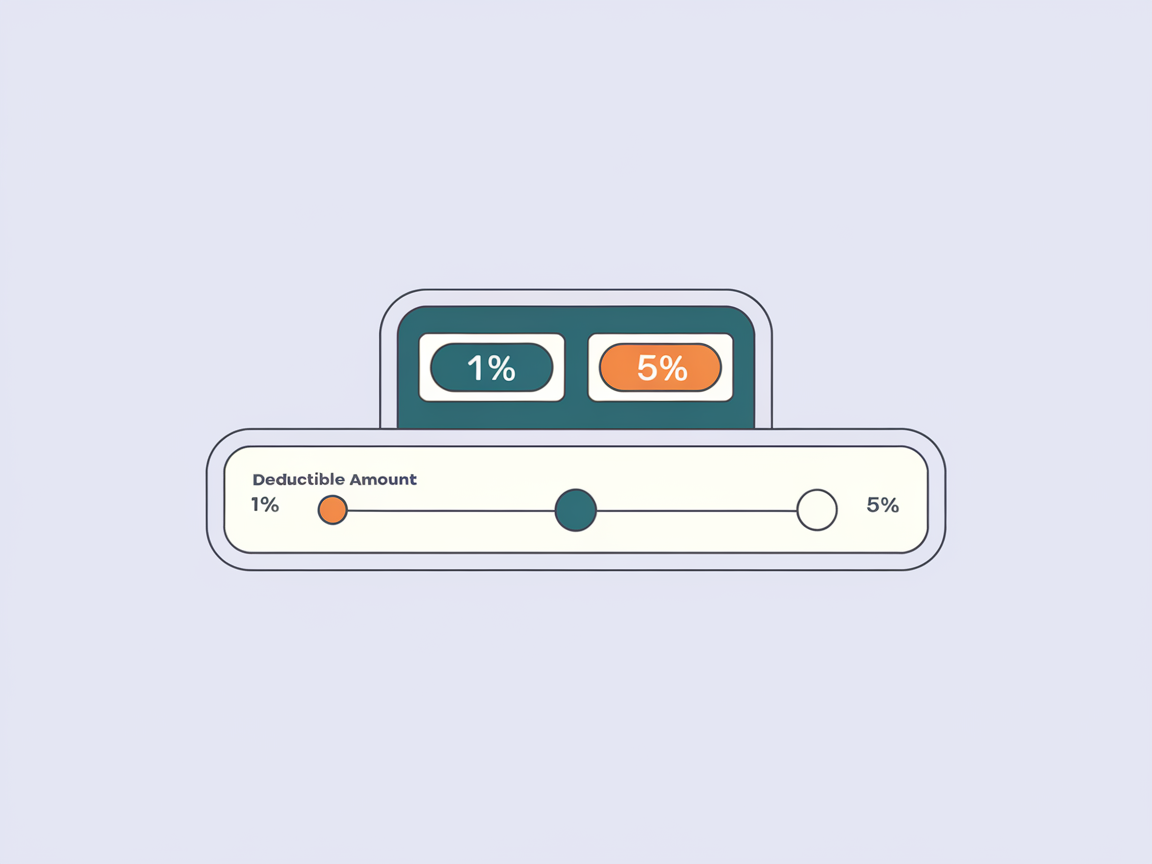
How high should my deductible be?
Choose a deductible you could comfortably pay from savings. $2,500-5,000 is common for moderate savings. $10,000 maximizes premium savings but requires substantial reserves. Don't choose a deductible you can't afford.
Does catastrophic insurance cover preventive care?
Varies by plan. Some include preventive care before deductible (like US ACA plans). Most international catastrophic plans apply deductible to everything. Check specific plan terms.
What counts toward my deductible?
Usually all covered medical expenses: doctor visits, prescriptions, tests, hospital care. Once you've paid the deductible amount, insurance covers remaining costs (subject to any coinsurance).
Can I switch from catastrophic to comprehensive later?
Usually yes, at renewal. You may face new underwriting, waiting periods, or pre-existing condition exclusions. It's easier to switch than starting a new policy, but not automatic.
Is catastrophic insurance accepted for visa requirements?
Check specific visa requirements. Some countries require minimum coverage levels that catastrophic plans meet. Others may require comprehensive coverage. Verify before relying on catastrophic insurance for visa purposes.
Disclaimer: This content is for informational purposes only. Catastrophic coverage requires financial planning. We are not insurance brokers or financial advisors. Verify coverage directly with insurers.