Written by
John Spencer
John Spencer is the founder of Compare Expat Plans, where he focuses on helping people compare health plans for life abroad. He emphasizes clear information, neutral analysis, and practical decision support.
Our Top Picks
If you take regular medications, prescription coverage isn't optional—it's essential. Many expat plans focus on hospital care and leave prescription coverage as an afterthought. Here's how to find coverage that handles your ongoing medication needs.
After analyzing prescription drug coverage across major international insurers, here are our recommendations:
Best Comprehensive: Cigna Global
The good: Full prescription coverage included with outpatient module. Covers ongoing medications, not just acute prescriptions. Specialty drugs covered. Large pharmacy network in major countries.
The limits: Requires outpatient coverage module (additional cost). Some medications may require prior authorization.
Best for: Expats with ongoing medication needs who want comprehensive coverage.
Best for Expensive Medications: BUPA Global
The good: Unlimited coverage means no caps on medication costs. Specialty biologics and cancer drugs fully covered. Best for those on expensive ongoing treatments.
The limits: Premium pricing. Pre-existing condition medications require proper underwriting.
Best for: Those on expensive specialty medications or biologics.
Best Value: Now Health
The good: Competitive prescription coverage at lower prices. Strong in Asia where many medications are more affordable. Covers ongoing prescriptions.
The limits: Smaller global pharmacy network. May need to pay-and-claim more often.
Best for: Value-conscious expats with standard medication needs.
Get Prescription Coverage Quotes
Compare plans that cover your ongoing medications.
Compare Plans →We may earn a commission when you apply through our links. This does not affect our recommendations.
Understanding Prescription Coverage
Medication coverage for expats has specific elements you need to understand:
Inpatient vs. Outpatient Medications
- Inpatient: Medications during hospital stays are covered by inpatient benefits. All comprehensive plans include this.
- Outpatient: Ongoing prescriptions, pharmacy medications, take-home drugs. Requires outpatient coverage—often a separate module.
- The gap: Inpatient-only plans don't cover your daily blood pressure medication. You need outpatient coverage for ongoing prescriptions.
What's Typically Covered
- Acute medications: Antibiotics, pain relief, short-term treatments.
- Chronic medications: Blood pressure, diabetes, thyroid, cholesterol—ongoing daily medications.
- Specialty drugs: Biologics, cancer drugs, immunosuppressants—expensive specialty medications.
- Mental health medications: Antidepressants, anxiety medications, psychiatric drugs (check coverage levels).
What May Have Limits
- Experimental treatments: Non-approved or experimental drugs may be excluded.
- Lifestyle medications: Weight loss drugs, hair loss treatments, erectile dysfunction may have limits.
- Quantity limits: Maximum days' supply per dispensing (often 90 days).
- Annual caps: Some plans cap annual medication spending.
Pre-Existing Condition Medications
If you're taking medications for a pre-existing condition:
- Disclosure: Full disclosure at application is essential. List all medications.
- Underwriting: The condition (and medications) may be excluded, covered with waiting period, or covered with premium loading.
- Continuity: If covered, ongoing medications are covered for life of policy.
- Switching insurers: Pre-existing medications may not be covered immediately with new insurer.
Pharmacy Access
- Network pharmacies: Some insurers have pharmacy networks with direct billing.
- Pay-and-claim: More common—you pay at pharmacy, submit claim for reimbursement.
- Mail-order: Some insurers offer mail-order pharmacy options for maintenance medications.
- Local availability: Your specific medications may or may not be available locally—research this.
How We Evaluated
We assessed prescription coverage on these criteria:
- Coverage scope: Are ongoing medications covered, not just acute prescriptions?
- Limits: Are there annual caps or per-prescription limits?
- Specialty drugs: Are expensive biologics and specialty medications covered?
- Pre-existing handling: How are medications for pre-existing conditions treated?
- Claims process: How easy is it to get reimbursed for pharmacy purchases?
- Pharmacy access: Is direct billing available, or always pay-and-claim?
Quick Comparison
| Provider | Outpatient Rx | Annual Limit | Specialty Drugs | Best For |
|---|---|---|---|---|
| Cigna Global | Full (with outpatient) | To plan max | Covered | Comprehensive medication needs |
| BUPA Global | Full (with outpatient) | Unlimited | Covered | Expensive ongoing medications |
| Allianz Care | Full (with outpatient) | To plan max | Covered | European pharmacy networks |
| Now Health | Full (with outpatient) | To plan max | Covered | Asia-based, value option |
| SafetyWing | Limited | Per-incident | Limited | Emergency medications only |
Detailed Reviews
Cigna Global
Cigna's outpatient module includes comprehensive prescription coverage. Ongoing medications, chronic condition prescriptions, mental health drugs—all covered when you have outpatient benefits.
The modular system means you choose your coverage level. Adding outpatient adds prescription coverage; without it, you only get inpatient medications.
Specialty medications including biologics are covered. Cancer drugs, immunosuppressants, and other expensive therapies are included to plan limits—which on comprehensive plans are very high or unlimited.
Pharmacy claims are typically pay-and-claim. You fill your prescription, keep the receipt, and submit for reimbursement. Processing is usually within 1-2 weeks.
Outpatient Rx: Full coverage with outpatient module.
Limits: To plan maximums (often $50K+ outpatient).
Specialty drugs: Covered.
Verdict: Best all-around for expats with ongoing medication needs.
BUPA Global
BUPA's unlimited coverage extends to medications. No caps on prescription costs—particularly valuable if you're on expensive specialty drugs.
Biologics, cancer drugs, and other specialty medications that can cost $10,000+/month are covered without hitting limits. For those on expensive ongoing therapies, this is significant.
Pre-existing condition medications require proper underwriting at enrollment. Once covered, they remain covered for life of policy.
Outpatient Rx: Full coverage with outpatient.
Limits: Unlimited.
Specialty drugs: Fully covered.
Verdict: Best for expensive ongoing medications—no caps mean no anxiety about costs.
Allianz Care
Allianz provides solid prescription coverage with European pharmacy network strength. For Europe-based expats, pharmacy access and claims processing is straightforward.
Coverage includes chronic medications, mental health prescriptions, and standard specialty drugs. Limits are to plan maximums.
Outpatient Rx: Full coverage with outpatient.
Limits: To plan maximums.
Specialty drugs: Covered.
Verdict: Good for Europe-based expats with standard medication needs.
Now Health
Now Health offers competitive prescription coverage at lower prices. Particularly strong in Asia, where medications are often more affordable.
Ongoing medications covered with outpatient module. Claims process is standard pay-and-claim. Specialty drugs covered to plan limits.
Outpatient Rx: Full coverage with outpatient.
Limits: To plan maximums.
Specialty drugs: Covered.
Verdict: Best value for Asia-based expats with medication needs.
SafetyWing
SafetyWing is travel medical insurance, not comprehensive health insurance. Prescription coverage is limited to medications related to covered medical events.
If you're hospitalized, related medications are covered. But ongoing prescriptions for chronic conditions? Not covered. This is emergency insurance, not medication management.
Outpatient Rx: Limited to acute/emergency.
Limits: Per-incident, limited.
Specialty drugs: Limited.
Verdict: Not suitable for those with ongoing medication needs.
Compare Medication Coverage
Find plans that cover your ongoing prescriptions.
Get Your Quote →We may earn a commission when you apply through our links. This does not affect our recommendations.
Choosing the Right Plan
By Medication Type
- Standard daily medications: Any comprehensive plan with outpatient works
- Multiple chronic conditions: Cigna or BUPA for thorough coverage
- Expensive specialty drugs: BUPA Global (unlimited) for peace of mind
- Mental health medications: Verify mental health coverage level includes prescriptions
- Pre-existing condition medications: Cigna or BUPA (better underwriting flexibility)
By Location
- Global coverage needed: Cigna or BUPA
- Europe-based: Allianz Care
- Asia-based: Now Health or Cigna
- Developing countries: Verify medication availability locally regardless of insurance
Cost Considerations
- Adding outpatient: Typically adds 30-50% to inpatient-only premiums
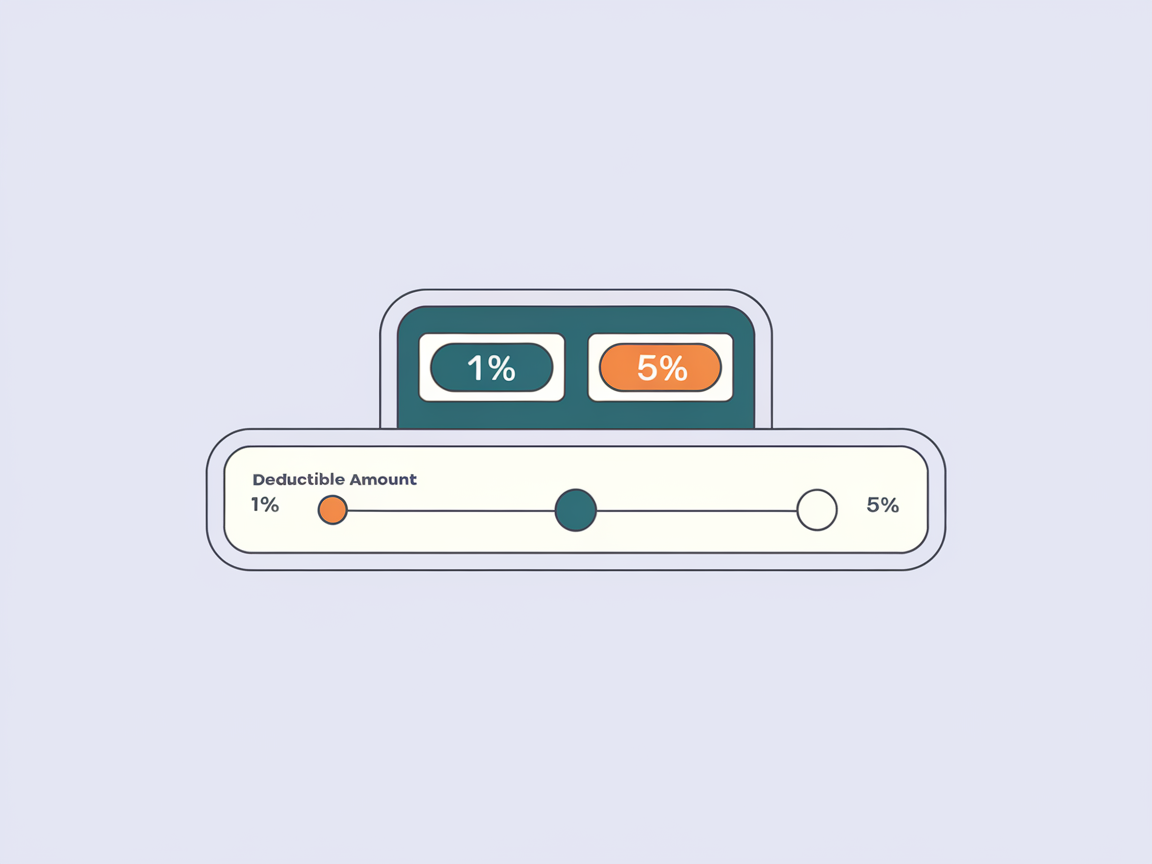
- Deductible strategy: Higher deductibles reduce premiums but mean more out-of-pocket for medications
- Local pricing: Many medications cost less abroad than in US—savings can be significant
- Generic availability: Ask about generic versions of your medications locally
Practical Steps
- List all your current medications with dosages
- Research local availability in your destination
- Disclose all medications at insurance application
- Bring 90-day supply when moving (check import rules)
- Find local doctor to continue prescriptions
- Understand the claims process for pharmacy reimbursement
Common Questions
Will my specific medication be available abroad?
Varies by country and medication. Common medications (blood pressure, diabetes, cholesterol) are available most places. Brand names may differ. Some controlled substances have import restrictions. Research your specific medications and destination before moving.
How do I get prescriptions refilled abroad?
You'll need a local doctor to write prescriptions valid in your destination country. Bring medical records and current prescription information. Some countries accept US/UK prescriptions temporarily; most require local doctor's prescription for ongoing medications.
Are generic medications covered the same as brand-name?
Usually yes. Most plans cover the medication, not the specific brand. Generics are typically fully covered; brand-name when generic exists may have higher copays. Some specialty drugs have no generic equivalent—these are covered as prescribed.
What about controlled substances?
Controlled substances (ADHD medications, certain pain medications, anxiety drugs) have import restrictions in many countries. Some are illegal to possess abroad even with prescription. Research your specific medication and destination carefully. You may need to switch to locally available alternatives.
How does the claims process work for medications?
Typically pay-and-claim: You pay at the pharmacy, submit the receipt and prescription to your insurer, receive reimbursement within 1-3 weeks. Keep all receipts and documentation. Some insurers have apps that simplify claims submission.
Will medications for pre-existing conditions be covered?
Depends on underwriting at enrollment. If your condition is accepted for coverage, related medications are covered. If excluded, related medications are excluded too. Full disclosure at application is essential—undisclosed conditions void coverage entirely.
Ready for Medication Coverage Abroad?
Get quotes from insurers with strong prescription benefits.
Compare Plans Now →We may earn a commission when you apply through our links. This does not affect our recommendations.
Disclaimer: Prescription coverage varies by plan type and module selections. Pre-existing condition medications require proper disclosure and underwriting. Medication availability and regulations vary by country. Always research local medication availability and import rules for your specific destination.