
Written by
John Spencer
John Spencer is the founder of Compare Expat Plans, where he focuses on helping people compare health plans for life abroad. He emphasizes clear information, neutral analysis, and practical decision support.
Top Picks for Rehabilitation Coverage
These insurers offer the best rehabilitation benefits:
Best Rehabilitation Coverage
Bupa Global
Comprehensive rehab coverage with higher session limits and inpatient rehabilitation included.
Best Physical Therapy
Cigna Global
Strong physical therapy coverage with good session limits and wide provider network.
Best Inpatient Rehab
Aetna International
Good inpatient rehabilitation coverage with access to US rehabilitation facilities.
Why It Matters
Full Recovery
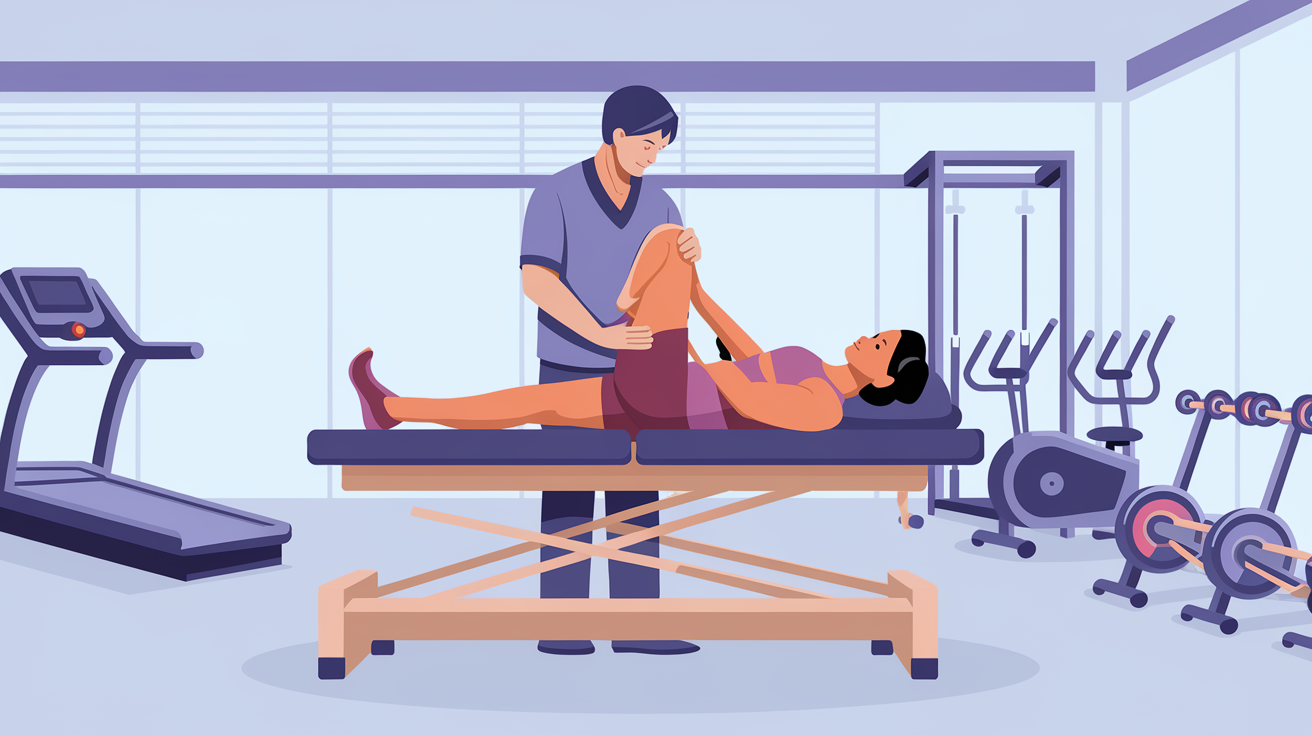
Rehabilitation is often essential for full recovery from surgery, injury, or illness. Poor coverage means incomplete recovery.
What Rehabilitation Coverage Means
Rehabilitation coverage helps you recover from illness, injury, or surgery:
Outpatient Rehabilitation
- Physical therapy sessions
- Occupational therapy
- Speech and language therapy
- Vestibular rehabilitation
- Typically covered under outpatient benefits
Inpatient Rehabilitation
- Intensive rehabilitation facilities
- Daily therapy programs
- Post-stroke or post-injury recovery
- Major surgery recovery
- Typically has day/dollar limits
Specialized Rehabilitation
- Cardiac rehabilitation (post heart attack/surgery)
- Pulmonary rehabilitation (lung conditions)
- Neurological rehabilitation (stroke, brain injury)
- Orthopedic rehabilitation (joint replacement, fractures)
Recovery Requires Support
Compare plans with comprehensive rehabilitation coverage.
Compare PlansWe may earn a commission when you apply through our links. This does not affect our recommendations.
Rehabilitation Coverage Comparison
| Provider | Physical Therapy | Inpatient Rehab | Speech Therapy | Session Limits |
|---|---|---|---|---|
| Cigna Global | Covered | Covered | Covered | 30-60 sessions |
| Bupa Global | Covered | Covered | Covered | 30-90 sessions |
| Aetna International | Covered | Covered | Covered | 20-60 sessions |
| Allianz Care | Covered | Covered | Some plans | 20-40 sessions |
| IMG Global | Limited | Limited | Limited | Low limits |
Detailed Reviews
Bupa Global — Best Rehabilitation Coverage
Bupa Global offers comprehensive rehabilitation benefits.
What works well:
- Physical therapy included with good limits
- Occupational therapy covered
- Speech therapy included
- Inpatient rehabilitation covered
- 30-90 sessions per year typical
- Specialized rehab programs
- Good network of rehabilitation facilities
Considerations: Premium pricing. Best rehab on higher-tier plans. Worth it for those who may need extensive rehabilitation.
Read our full Bupa Global review
Cigna Global — Strong Physical Therapy
Cigna Global offers solid physical therapy and rehabilitation coverage.
What works well:
- Physical therapy well covered
- 30-60 sessions per year typical
- Occupational therapy included
- Speech therapy covered
- Inpatient rehab available
- Good provider network
- Modular plans allow customization
Considerations: Session limits apply. Best coverage on comprehensive plans. Good balance of coverage and cost.
Read our full Cigna Global review
Aetna International — US Rehabilitation Access
Aetna International provides good rehabilitation coverage with US facility access.
What works well:
- Access to US rehabilitation centers
- Physical therapy covered
- Inpatient rehabilitation included
- Speech and occupational therapy
- Specialized programs available
- Good for complex rehabilitation needs
Considerations: Best for those wanting US facility access. Session limits apply. Good overall rehabilitation coverage.
Read our full Aetna International review
Types of Rehabilitation
| Rehabilitation Type | Typical Coverage | Common Scenarios |
|---|---|---|
| Physical therapy | Usually covered | Post-surgery, injuries, chronic pain |
| Occupational therapy | Usually covered | Stroke recovery, disability adaptation |
| Speech therapy | Often covered | Stroke, head injury, neurological conditions |
| Cardiac rehabilitation | Usually covered | Post heart attack, heart surgery |
| Pulmonary rehabilitation | Often covered | COPD, lung conditions |
| Neurological rehabilitation | Usually covered | Stroke, brain injury, MS |
| Inpatient rehabilitation | Covered (limits) | Severe injuries, major surgery recovery |
Physical Therapy
The most common rehabilitation coverage:
- Exercise programs and manual therapy
- Post-surgical recovery
- Injury rehabilitation
- Chronic pain management
- Usually 20-60 sessions covered per year
- May need physician referral
Occupational Therapy
Helps restore daily living skills:
- Stroke recovery
- Brain injury rehabilitation
- Adapting to disability
- Work-related injury recovery
- Usually covered alongside physical therapy
Speech and Language Therapy
Critical for certain conditions:
- Stroke affecting speech
- Head injuries
- Neurological conditions
- Swallowing difficulties
- Often covered but may have lower limits
Cardiac Rehabilitation
After heart events:
- Post heart attack recovery
- After cardiac surgery
- Supervised exercise programs
- Heart health education
- Usually covered as part of cardiac care
Inpatient Rehabilitation
For intensive recovery needs:
- Severe injuries or illness
- Major surgery recovery
- Daily intensive therapy
- Typically 30-60 days covered
- May need pre-authorization
Complete Recovery
Don't let insurance gaps affect your rehabilitation.
Compare PlansWe may earn a commission when you apply through our links. This does not affect our recommendations.
Coverage Limits to Watch
Session Limits
Most plans limit rehabilitation sessions:
- Basic plans: 10-20 sessions per year
- Standard plans: 20-40 sessions per year
- Premium plans: 40-90 sessions per year
- May combine all therapy types into one limit
- Verify limits meet potential needs
Inpatient Rehabilitation Limits
- Typically 30-60 days maximum per year
- May have separate limit from regular hospital stay
- Premium plans have higher limits
- Pre-authorization usually required
When to Request Exceptions
If you exceed limits but still need care:
- Contact insurer to request extension
- Provide medical documentation of necessity
- Some insurers grant exceptions for severe cases
- Appeal if initially denied
Frequently Asked Questions
How many physical therapy sessions are typically covered?
Most international health plans cover 20-60 sessions per year, with premium plans offering up to 90 sessions. Sessions may be limited per condition or combined across all rehabilitation types. Always verify your specific plan limits.
Is inpatient rehabilitation covered?
Yes, most comprehensive international health plans cover inpatient rehabilitation. Typical limits are 30-60 days per year. Pre-authorization is usually required. Coverage is separate from regular hospital stay limits.
Do I need a referral for physical therapy?
Depends on your plan. Some require a physician referral, others allow direct access to physical therapists. Pre-authorization may be needed for ongoing treatment beyond initial sessions. Check your specific policy requirements.
Is occupational therapy covered the same as physical therapy?
Usually yes—most plans that cover physical therapy also cover occupational therapy with similar limits. Some plans may combine limits for all rehabilitation services. Verify specific coverage for your plan.
What about rehabilitation after an accident abroad?
Rehabilitation following covered accidents is included in comprehensive plans. You may receive rehabilitation in the country where the accident occurred or be repatriated for recovery. Evacuation coverage may help access better rehabilitation facilities.
Are home-based rehabilitation services covered?
Some plans cover home health visits including rehabilitation services at home. This is more common on premium plans. May require medical necessity determination. Less common than facility-based rehabilitation coverage.
Disclaimer: This content is for informational purposes only. Rehabilitation coverage varies by plan and insurer. We are not insurance brokers or medical professionals. Always verify current coverage directly with insurers.