
Written by
John Spencer
John Spencer is the founder of Compare Expat Plans, where he focuses on helping people compare health plans for life abroad. He emphasizes clear information, neutral analysis, and practical decision support.
Overview
⚡ Quick Decision Guide
Choose AXA if:
- • You're based primarily in Europe
- • Price is a significant factor (10-15% cheaper)
- • You value EU consumer protections
- • You prefer euro billing
Choose Cigna if:
- • You travel globally or move frequently
- • Customer service quality is priority
- • You want the largest provider network
- • You may need US coverage
AXA Global and Cigna Global are both top-tier international health insurers competing for the same market. AXA brings French heritage and EU regulatory backing; Cigna brings American service culture and the largest global network. Both offer comprehensive coverage—the differences are in pricing, service style, and where they're strongest.
AXA Global is the international health division of AXA Group, a French multinational insurance company. They operate under EU insurance regulations, which include consumer protections like ombudsman access and standardized complaint procedures. AXA is particularly strong in Europe and offers competitive pricing compared to US-headquartered competitors.
Cigna Global is one of the largest international health insurers by network size, with 1.5 million+ providers worldwide. Originally American, their international operations are now based in Europe, but they maintain the service-focused culture that American companies are known for. Cigna is often considered the benchmark for customer service in international health insurance.
This comparison matters because these are two genuinely comparable products at similar price points. The choice often comes down to whether you value AXA's pricing and EU protections, or Cigna's network size and service reputation.
AXA Global
- Parent Company: AXA Group (France)
- Founded: 1816 (international division later)
- Regulation: EU insurance framework
- Coverage Limit: Up to Unlimited
- Best For: Europe-based expats, value seekers
- Currency: Euro (€)
Cigna Global
- Parent Company: Cigna Corporation (US)
- Founded: 1982 (global health division)
- Network: 1.5M+ providers worldwide
- Coverage Limit: Up to Unlimited
- Best For: Global travelers, service priority
- Currency: US Dollar ($)
Company Background
AXA Global: French Heritage, EU Foundation
AXA Group is one of the world's largest insurance companies, headquartered in Paris. Their international health insurance division operates under EU Solvency II regulations, which require:
- Substantial capital reserves to ensure claims can be paid
- Standardized complaint handling procedures
- Access to national insurance ombudsmen
- Clear policy documentation in local languages
AXA's European base gives them particularly strong hospital relationships across the continent. They're a natural choice for expats in France, Spain, Germany, and other EU countries.
Cigna Global: American Service Culture
Cigna Corporation is a US health services company, but their international health insurance operations are headquartered in Europe (Belgium). This hybrid gives them:
- American service-focused culture (responsive, customer-centric)
- The world's largest international provider network
- Strong technology and digital tools
- Experience serving American expats and multinationals
Cigna has built a reputation as the "premium" option in international health insurance—not always the cheapest, but consistently highly rated for service quality.
Compare Both Providers
Get personalized quotes from AXA Global and Cigna Global to see actual pricing.
Coverage Comparison
Coverage between AXA and Cigna is broadly similar—both offer comprehensive international health insurance with comparable benefits. The differences are in the details.
| Feature | AXA Global | Cigna Global |
|---|---|---|
| Maximum Coverage | €1M - Unlimited | $1M - Unlimited |
| Inpatient Hospital | ✓ All plans | ✓ All plans |
| Outpatient Care | ✓ All plans | ✓ Gold/Platinum |
| Mental Health | ✓ Included | ✓ Included |
| Maternity | Optional (10-12 mo wait) | Optional (12 mo wait) |
| Preventive Care | ✓ Higher tiers | ✓ Platinum |
| Dental/Vision | Optional add-on | Optional add-on |
| Medical Evacuation | Included | Included (higher limits) |
| Chronic Conditions | ✓ Covered if declared | ✓ Covered if declared |
| Pre-existing Conditions | Full underwriting | Full underwriting |
| US Coverage | Optional add-on (+40-50%) | Optional add-on (+40-60%) |
Key Coverage Similarities
- Both offer unlimited coverage on top-tier plans
- Both include mental health as a standard benefit
- Both use full medical underwriting for pre-existing conditions
- Both charge extra for US coverage (40-60% premium increase)
- Both offer maternity as an add-on with waiting periods
Coverage Differences
Outpatient Care:
- AXA: Included on all plans (even entry-level)
- Cigna: Silver is inpatient-only; outpatient requires Gold or Platinum
If you want outpatient coverage at the lowest tier, AXA has an advantage.
Medical Evacuation:
- AXA: Included with reasonable limits
- Cigna: Higher evacuation limits, more comprehensive coordination
For expats in remote locations, Cigna's evacuation coverage is marginally stronger.
Wellness Programs:
- AXA: Preventive care on higher tiers
- Cigna: Comprehensive wellness programs including health coaching
Cigna invests more in wellness and preventive health programs.
Plan Tiers & Options
AXA uses a more modular approach; Cigna uses traditional tiers.
| Aspect | AXA Global | Cigna Global |
|---|---|---|
| Plan Structure | Modular (build your own) | Tiered (Silver/Gold/Platinum) |
| Entry Level | Essentials (~€100-150/mo) | Silver (~$120-160/mo) |
| Mid Tier | Comprehensive (~€150-220/mo) | Gold (~$160-220/mo) |
| Top Tier | Elite (~€220-350/mo) | Platinum (~$220-320/mo) |
| Deductible Options | €0 to €10,000+ | $0 to $10,000 |
| Currency | Euro (€) | US Dollar ($) |
| Area of Coverage | Regional or worldwide | Regional or worldwide |
AXA Plan Structure
AXA lets you build a more customized plan:
- Core coverage: Inpatient hospitalization (required)
- Add outpatient: Doctor visits, diagnostics, prescriptions
- Add dental/vision: Optional modules
- Add maternity: Optional with waiting period
- Choose deductible: Wide range (€0 to €10,000+)
- Choose area: Regional (Europe-only) or worldwide
This flexibility lets you build exactly what you need—potentially saving money if you skip benefits you won't use.
Cigna Plan Structure
Cigna uses straightforward tiers:
- Silver: Inpatient only—hospital, surgery, cancer, emergencies
- Gold: Adds outpatient—doctor visits, prescriptions, therapy
- Platinum: Comprehensive—adds wellness, preventive, enhanced limits
Simpler to understand, but less flexibility. You pick a tier and get a fixed set of benefits.
Pricing Breakdown
AXA is typically 10-15% cheaper than Cigna for comparable coverage. This is consistent across age groups.
| Profile | AXA Global (excl. US) | Cigna Global (excl. US) |
|---|---|---|
| Age 30, healthy | ~€120-160/mo | ~$140-180/mo |
| Age 40, healthy | ~€160-220/mo | ~$190-250/mo |
| Age 50, healthy | ~€220-300/mo | ~$280-370/mo |
| Age 60, healthy | ~€320-450/mo | ~$400-550/mo |
| Couple, 40s | ~€310-430/mo | ~$370-490/mo |
| Family of 4 (40/38/10/7) | ~€480-650/mo | ~$550-750/mo |
*Estimates based on 2026-2025 quotes for mid-tier plans excluding US coverage. Actual prices vary based on health history, exact location, and plan customization. Currency conversion at approximate current rates.
Why AXA Is Cheaper
Several factors contribute to AXA's lower pricing:
- Lower overhead: EU regulatory framework may be more efficient
- Regional focus: Stronger Europe concentration reduces global complexity
- Competitive positioning: AXA positions on price vs Cigna's premium positioning
- Exchange rates: Euro-based pricing can favor non-US buyers
When Cigna's Premium Is Worth It
Consider Paying More for Cigna If:
- Service matters: Cigna's customer service is consistently rated higher
- Global mobility: You move countries frequently and need seamless coverage everywhere
- US visits: Cigna has more US experience and better American provider relationships
- Claims simplicity: More direct billing relationships mean fewer out-of-pocket payments
Ways to Reduce Costs (Both Providers)
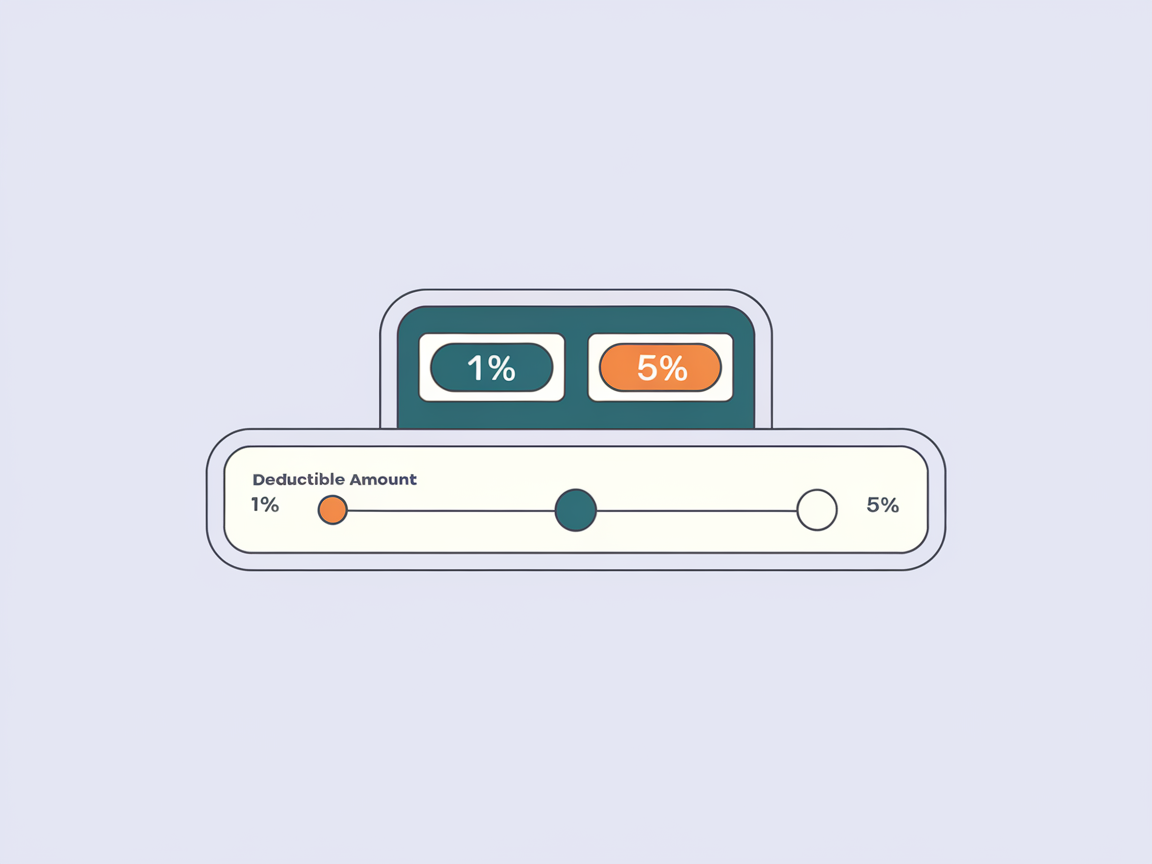
- Higher deductible: $5,000-$10,000 deductible reduces premiums 25-35%
- Exclude US coverage: Saves 40-60% if you don't need it
- Regional coverage: Europe-only is cheaper than worldwide
- Lower tier: Inpatient-only plans cost 30-40% less than comprehensive
Get Your Actual Price
Estimates vary by individual. Get personalized quotes to compare real costs.
Provider Networks
| Aspect | AXA Global | Cigna Global |
|---|---|---|
| Global Provider Count | 1M+ providers | 1.5M+ providers |
| Strongest Regions | Europe, Asia | Global, esp. Americas |
| Direct Billing | Extensive in Europe, variable elsewhere | Extensive worldwide |
| Hospital Relationships | Premium private hospitals in Europe | Wide range globally |
| Provider Finder | Online directory | Mobile app + web |
| Pre-authorization | Required for major procedures | Required for non-emergencies >$1,000 |
Cigna's Network Advantage
Cigna has the largest international provider network in the industry:
- 1.5 million+ providers across 200+ countries
- Extensive direct billing: Show your card, don't pay upfront
- Consistent experience: Same quality whether you're in Singapore or São Paulo
- Mobile app: Find providers, get pre-authorization, submit claims
For expats who move frequently or travel globally, Cigna's network provides reassurance that quality healthcare is accessible anywhere.
AXA's Regional Strength
AXA's network is smaller but concentrated:
- 1 million+ providers globally
- Strong European presence: Deep relationships with premium hospitals
- Growing in Asia: Good coverage in major expat destinations
- Direct billing in Europe: Extensive; more reimbursement-based elsewhere
If you're primarily in Europe, AXA's network is excellent. Outside Europe, you may file more reimbursement claims than with Cigna.
Claims & Customer Service
| Aspect | AXA Global | Cigna Global |
|---|---|---|
| Claims Submission | Online portal, email, app | Mobile app, portal, email |
| Processing Time | 7-14 business days | 5-10 business days |
| Portal Quality | Functional | Polished, user-friendly |
| Customer Service | 24/7 multilingual | 24/7 multilingual (highly rated) |
| Response Quality | Good | Excellent reputation |
| Complaint Resolution | EU ombudsman access | Internal process |
Cigna's Service Reputation
Cigna is widely considered to have the best customer service in international health insurance:
- Consistently high ratings in customer satisfaction surveys
- Responsive, knowledgeable support staff
- Proactive communication during claims
- Polished digital experience (app and portal)
If something goes wrong medically abroad, Cigna's support quality can make a real difference. This is part of what you pay for with Cigna's premium pricing.
AXA's Service
AXA's service is good but not exceptional:
- 24/7 multilingual support
- Functional online portal and app
- Reliable claims processing (7-14 days typical)
- Professional but not premium experience
AXA delivers what you need, but the experience is more transactional than Cigna's high-touch approach.
Regulatory Protections
AXA's EU regulation provides consumer protections that Cigna doesn't automatically offer.
AXA: EU Regulatory Framework
- Insurance ombudsman: Access to independent dispute resolution
- Solvency II: Strict capital requirements ensure claims can be paid
- Standardized documentation: Clear policy terms required by law
- Cooling-off periods: Right to cancel within 14 days
If a dispute arises and you can't resolve it with AXA directly, you have access to regulatory bodies that can intervene.
Cigna: Internal Processes
- Well-defined internal complaint procedures
- Strong track record of fair claims handling
- No automatic access to external ombudsman
- Reputation-conscious (values customer satisfaction)
Cigna handles disputes well internally, but you don't have the same regulatory backstop as with EU-regulated insurers.
Does Regulation Matter?
For most people, the regulatory difference rarely comes into play. Both companies handle claims fairly. But if you've had bad experiences with insurance disputes in the past, AXA's EU protections provide an extra layer of security.
Who Should Choose Which
Choose AXA Global If:
- ✓ You're living primarily in Europe
- ✓ Price is a significant factor (save 10-15%)
- ✓ You value EU consumer protections
- ✓ You prefer euro billing (avoids FX fees)
- ✓ You want modular plan customization
- ✓ You need outpatient at the entry tier
- ✓ Service quality is "good enough" for you
- ✓ You don't need frequent US coverage
Choose Cigna Global If:
- ✓ Customer service quality is priority
- ✓ You travel globally or move frequently
- ✓ You want the largest provider network
- ✓ Direct billing everywhere matters to you
- ✓ You may need US coverage
- ✓ You prefer simple tier-based plans
- ✓ You value wellness programs
- ✓ You're willing to pay more for premium experience
Know Which Fits Better?
Get personalized quotes to see actual pricing for your situation.
Real-World Scenarios
Let's see how these providers perform in situations expats commonly face.
Scenario 1: The British Consultant in Spain
Sophie, 42, is a consultant who moved from London to Barcelona. She'll occasionally work in other EU countries but doesn't need US coverage. Budget matters.
Best choice: AXA Global Comprehensive
Sophie is Europe-based, doesn't need US coverage, and is price-conscious. AXA's European networks are excellent for Spain and other EU countries. The 10-15% savings over Cigna adds up over years. EU regulatory protections are a bonus.
Scenario 2: The American Executive with Global Travel
David, 48, is a VP who's based in Singapore but travels constantly—Europe, Americas, Asia, Middle East. He needs coverage that works everywhere without hassle.
Best choice: Cigna Global Gold or Platinum
David's global mobility makes Cigna's network advantage valuable. Direct billing in more locations means less out-of-pocket and fewer reimbursement claims while traveling. Cigna's service quality helps when dealing with healthcare in unfamiliar places.
Scenario 3: The German Family in Thailand
The Müller family (parents 38 and 36, kids 8 and 5) relocated from Munich to Bangkok. They visit Germany twice a year but don't need US coverage.
Best choice: AXA Global with Asia coverage
AXA's competitive family pricing (10-15% less than Cigna) makes a real difference with four people. AXA has good Thailand networks, and their European relationships work for Germany visits. The savings could be €100-150/month—€1,200-1,800/year.
Scenario 4: The Cautious First-Time Expat
Maria, 32, is moving abroad for the first time (from US to Portugal). She's nervous about navigating healthcare in a foreign country and wants support she can rely on.
Best choice: Cigna Global Gold
Maria's priority is reassurance and support quality. Cigna's customer service reputation means she'll get help navigating unfamiliar healthcare systems. The premium is worth it for peace of mind as a first-time expat. If she decides service quality matters less after settling in, she could switch to AXA later.
Scenario 5: The Frugal Digital Nomad in Europe
Carlos, 29, works remotely and moves between Lisbon, Berlin, and Amsterdam. He's healthy, budget-conscious, and just wants solid coverage without paying for extras.
Best choice: AXA Global Essentials with high deductible
Carlos can build a lean AXA plan: Europe-only coverage, €2,500 deductible, no maternity or dental. This gets comprehensive coverage at minimal cost. He's young and healthy, so he's unlikely to hit the deductible anyway—but he's protected if something serious happens.
Frequently Asked Questions
Is AXA really 10-15% cheaper, or is that just marketing?
It's generally accurate for comparable coverage. The gap varies by age, location, and specific plan configuration, but AXA consistently prices below Cigna for similar benefits. Get quotes from both to see the actual difference for your situation.
Does currency matter? I'm American but living in Europe.
It can. If your income is in euros, paying AXA in euros avoids currency conversion fees and exchange rate fluctuation. If your income is in dollars, Cigna's dollar billing might be more convenient. The actual premium difference usually matters more than currency convenience.
How different is the claims experience really?
For straightforward claims (direct billing, simple reimbursements), both work fine. The difference shows in complex situations: denied claims, pre-authorization disputes, coordinating care across countries. Cigna's customer service handles these situations more smoothly on average.
Can I switch between AXA and Cigna later?
Yes, but switching triggers new medical underwriting. Any conditions you've developed become pre-existing for the new insurer. If you're healthy, switching is straightforward. If you've had health issues, staying with your current insurer is usually better.
Which is better for families?
AXA's lower pricing often makes them more economical for families (savings multiply with more members). Cigna's service quality can be valuable when dealing with pediatric care in unfamiliar countries. Both offer solid family coverage—AXA wins on price, Cigna on service.
What about mental health coverage?
Both include mental health as a standard benefit on comprehensive plans. Neither has the unlimited mental health coverage that BUPA offers—both have annual limits and session caps. For mental health priority, BUPA is better than either AXA or Cigna.
Have more questions? Request quotes to speak with brokers who can clarify coverage details. Get Free Quotes →
Our Verdict
AXA Global and Cigna Global are both excellent international health insurers. You won't go wrong with either. The choice comes down to your priorities.
Choose AXA Global if price matters and you're primarily in Europe. The 10-15% savings are real and compound over years. AXA's European networks are excellent, their coverage is comprehensive, and EU regulatory protections provide an extra layer of security. You get 90% of what Cigna offers at 85% of the price.
Choose Cigna Global if service quality and global flexibility matter more than saving money. Cigna's customer service reputation is earned—they handle complex situations better. Their network is genuinely larger, with more direct billing relationships worldwide. If you move frequently or travel extensively, Cigna's consistency across regions has value.
For most Europe-based expats who stay put, AXA offers better value. For globally mobile professionals who need coverage that works everywhere, Cigna is worth the premium.
Ready for AXA?
Best for Europe-based expats who want competitive pricing and EU protections.
View AXA Options →Ready for Cigna?
Best for globally mobile expats who prioritize service and network size.
Get Cigna Quote →Compare Both Providers
Get personalized quotes from AXA Global and Cigna Global to see actual pricing for your situation.
Disclaimer: This comparison is for informational purposes only. Prices, coverage details, and plan availability change frequently. We are not insurance brokers or licensed advisors. Verify all information directly with AXA Global and Cigna Global before purchasing.