Written by
John Spencer
John Spencer is the founder of Compare Expat Plans, where he focuses on helping people compare health plans for life abroad. He emphasizes clear information, neutral analysis, and practical decision support.
Quick Verdict
Cigna Global
Best Overall Mental Health Coverage
Unlimited outpatient therapy, comprehensive inpatient coverage, and strong telehealth options. Higher premiums but most complete coverage.
Bupa Global
Strong Coverage with Limits
30 sessions per year covers most needs. Moratorium underwriting helpful for those with history. Good balance of coverage and cost.
Allianz Partners
Budget-Friendly Basic Coverage
Lower premiums but more limited mental health benefits. 20 sessions may feel restrictive. Best for those with minimal mental health needs.
Side-by-Side Comparison
| Feature | Cigna Global | Bupa Global | Allianz Partners |
|---|---|---|---|
| Outpatient Therapy | Unlimited sessions | Up to 30 sessions/year | Up to 20 sessions/year |
| Inpatient Treatment | Full coverage | 90-day limit/year | 60-day limit/year |
| Psychiatry Visits | Included | Included | Limited visits |
| Waiting Period | 2 years | 2 years | 2 years |
| Pre-existing Conditions | Case-by-case | Moratorium option | Full underwriting |
| Telehealth Therapy | Included | Included | Additional cost |
| Crisis Support | 24/7 helpline | 24/7 helpline | Business hours |
| Substance Abuse | Covered | Limited coverage | Excluded on base |
| Provider Network | Global network | Extensive network | Regional focus |
Cigna Global
Mental Health Highlights
- ✓ Unlimited outpatient therapy: No cap on sessions with licensed therapists and psychologists
- ✓ Comprehensive inpatient care: Psychiatric hospitalization fully covered when medically necessary
- ✓ Telehealth integration: Virtual therapy sessions covered at same rate as in-person
- ✓ Substance abuse coverage: Rehabilitation programs included in mental health benefits
- ✓ 24/7 crisis support: Emergency mental health helpline available globally
Cigna Global offers the most comprehensive mental health coverage among major international insurers. The unlimited outpatient therapy benefit stands out—most competitors cap sessions, but Cigna recognizes that mental health treatment often requires ongoing care that shouldn't be arbitrarily limited.
The 2-year waiting period for mental health benefits applies to new conditions only. If you've been continuously insured with Cigna, there's no waiting period for new episodes. This makes Cigna particularly valuable for long-term expats who want consistent coverage.
Bupa Global
Mental Health Highlights
- ✓ 30 outpatient sessions: Covers most therapy needs for anxiety, depression, and adjustment issues
- ✓ 90-day inpatient limit: Substantial coverage for psychiatric hospitalization
- ✓ Moratorium underwriting: Easier approval for those with mental health history
- ✓ Global provider network: Access to quality mental health professionals worldwide
- ✓ Virtual GP access: Includes mental health consultations via Bupa's telehealth platform
Bupa Global strikes a practical balance between coverage and cost. The 30-session annual limit works for most expats dealing with adjustment challenges, situational depression, or anxiety. For those needing more intensive treatment, the sessions can be supplemented with psychiatrist visits.
The moratorium underwriting option deserves attention. If you have a history of mental health treatment, Bupa won't automatically decline you—they'll exclude pre-existing conditions for 2 years, then review for coverage. This pathway helps expats with managed conditions get otherwise comprehensive coverage.
Allianz Partners
Mental Health Highlights
- ✓ 20 outpatient sessions: Basic coverage for short-term therapy needs
- ✓ 60-day inpatient limit: Coverage for psychiatric hospitalization with restrictions
- ✓ Lower premiums: More affordable option for budget-conscious expats
- ✓ Upgrade options: Enhanced mental health benefits available as add-on
- △ Substance abuse: Not covered on base plans—requires enhanced tier
Allianz Partners offers the most affordable option, but mental health coverage reflects this positioning. The 20-session limit feels restrictive compared to competitors—you could exhaust this in under six months of weekly therapy. Those with ongoing mental health needs should factor in out-of-pocket costs.
The telehealth therapy option requiring additional cost is notable. While Cigna and Bupa include virtual mental health sessions, Allianz treats them as an add-on. In a world where remote therapy has become standard, this feels behind the curve.
Get Mental Health Coverage Quotes
Compare plans from Cigna, Bupa, and Allianz that include comprehensive mental health benefits.
Compare Plans NowWe may earn a commission when you apply through our links. This does not affect our recommendations.
Pricing Comparison
These estimates reflect comprehensive plans with full mental health benefits. Prices vary based on age, location, deductible, and coverage level. Mental health coverage is typically included in core plans—not available as a standalone purchase.
| Profile | Cigna Global | Bupa Global | Allianz Partners |
|---|---|---|---|
| 35-year-old, individual | $4,800–6,200/yr | $4,400–5,800/yr | $3,200–4,600/yr |
| 45-year-old, individual | $6,500–8,400/yr | $6,000–7,800/yr | $4,600–6,200/yr |
| Couple (both 40) | $11,200–14,800/yr | $10,200–13,400/yr | $7,800–10,400/yr |
| Family (2 adults, 2 kids) | $18,400–24,600/yr | $16,800–22,400/yr | $13,200–17,800/yr |
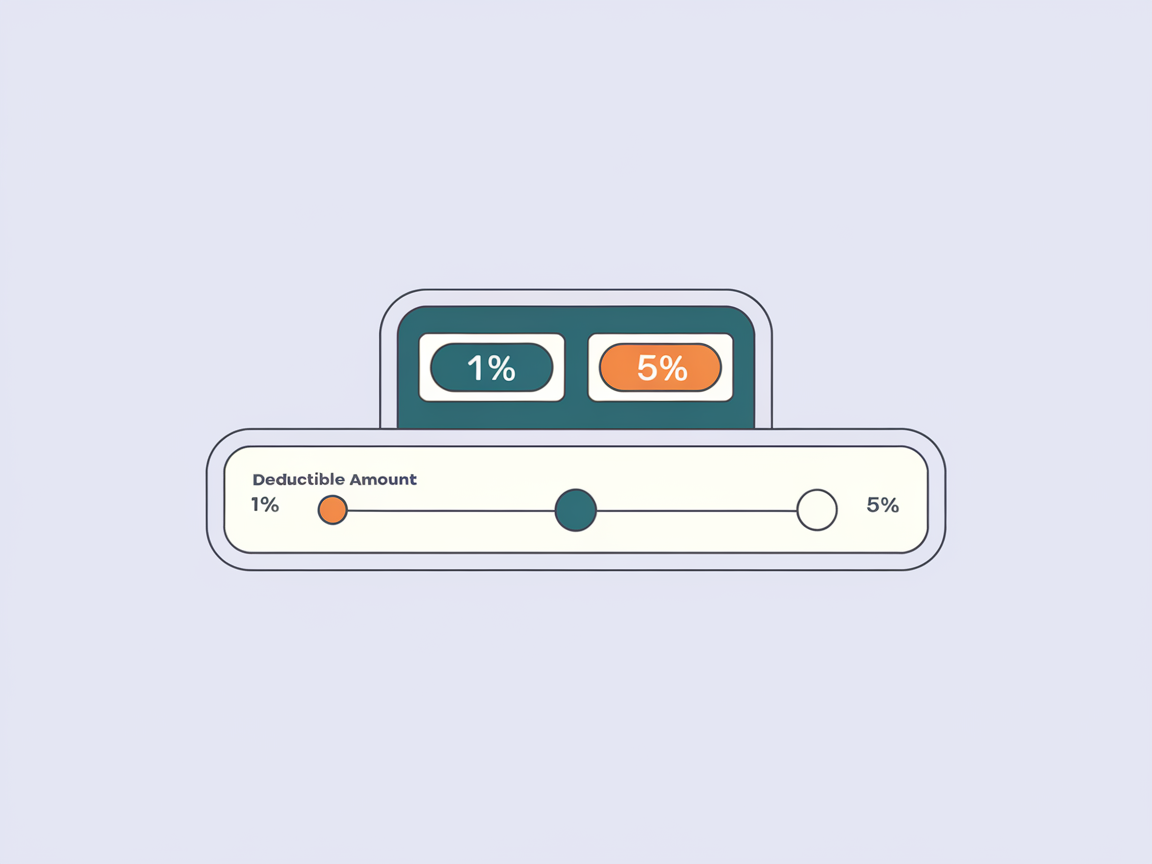
*Prices based on worldwide coverage excluding US. Higher deductibles can reduce premiums 20-30%.
Understanding Mental Health Coverage
Waiting Periods
All three insurers impose a 2-year waiting period for mental health benefits. This means if you develop anxiety or depression after purchasing the policy, you'll wait 2 years before coverage kicks in for treatment of that condition.
However, if you're already being treated for a mental health condition when you apply, it's considered pre-existing and subject to underwriting decisions—not waiting periods. Understanding this distinction matters when planning your coverage.
Telehealth Therapy
Remote therapy has transformed mental health care for expats. Finding English-speaking therapists in countries like Japan or Thailand can be challenging, but telehealth connects you with providers worldwide. Cigna and Bupa include telehealth therapy at no extra cost.
Allianz charges extra for telehealth therapy, which is increasingly unusual in today's market. Consider this when comparing total costs—the premium savings may not offset out-of-pocket telehealth expenses.
Crisis Support
Mental health emergencies don't follow business hours. Cigna and Bupa offer 24/7 crisis support hotlines staffed by mental health professionals. Allianz's support is more limited, with full services only during business hours.
For expats in time zones far from their insurer's headquarters, 24/7 support can be critical. Being in Tokyo at 3 AM in crisis and reaching only voicemail isn't acceptable for premium-priced insurance.
Substance Abuse Coverage
Cigna includes substance abuse treatment in their mental health benefits—rehabilitation, detox programs, and ongoing counseling. Bupa offers limited coverage, often requiring pre-authorization and having caps on treatment duration.
Allianz excludes substance abuse entirely on base plans. If this coverage matters to you, you'll need to upgrade to their enhanced tier, significantly narrowing the price gap with competitors.
Best For
Choose Cigna If...
- • You need unlimited therapy sessions
- • Comprehensive coverage matters more than cost
- • You want substance abuse included
- • 24/7 crisis support is important
- • You prefer extensive telehealth options
- • You plan to stay abroad long-term
Choose Bupa If...
- • 30 sessions/year meets your needs
- • You have mental health history needing moratorium option
- • You want good coverage at moderate cost
- • 90-day inpatient coverage is sufficient
- • You value their global provider network
- • Balance of price and coverage matters
Choose Allianz If...
- • Budget is your primary concern
- • You have minimal mental health needs
- • 20 sessions/year is sufficient
- • You don't need substance abuse coverage
- • You'll pay out-of-pocket for telehealth
- • Lower premiums outweigh coverage limits
Frequently Asked Questions
Can I get coverage with a pre-existing mental health condition?
Yes, but with limitations. All three insurers require disclosure and may exclude treatment for that specific condition. Bupa's moratorium option is most flexible—they'll exclude the condition for 2 years, then review. Cigna evaluates case-by-case. Allianz tends to be stricter with permanent exclusions.
Are marriage/couples counseling covered?
Generally no. These insurers cover mental health treatment for diagnosed conditions, not relationship counseling. However, if one partner has a diagnosed condition and couples therapy is part of their treatment plan, Cigna and Bupa may cover it with proper documentation.
Do I need referrals for mental health care?
Cigna and Bupa allow self-referral to mental health professionals—no GP visit required first. Allianz may require initial GP consultation for some plans. However, all insurers benefit from having a treatment plan from your provider for pre-authorization of extended care.
What types of therapists are covered?
Psychiatrists, psychologists, and licensed clinical therapists are covered by all three. Cigna has the broadest definition, sometimes covering EMDR specialists and trauma therapists. Bupa and Allianz focus on traditional psychotherapy and psychiatric care.
How do session limits work annually?
Session limits reset each policy year. With Bupa's 30 sessions, you could do weekly therapy for 7 months before hitting the cap. Allianz's 20 sessions lasts about 5 months of weekly therapy. Cigna's unlimited coverage means no planning around session limits.
Is medication for mental health conditions covered?
Yes, psychiatric medications are covered under prescription drug benefits, separate from therapy session limits. All three insurers cover standard psychiatric medications including antidepressants, anti-anxiety medications, and mood stabilizers when prescribed by a qualified provider.