Written by
John Spencer
John Spencer is the founder of Compare Expat Plans, where he focuses on helping people compare health plans for life abroad. He emphasizes clear information, neutral analysis, and practical decision support.
Quick Verdict
Cigna Global
Best for comprehensive coverage with strong mental health benefits and seamless multi-country mobility across and beyond the Nordic region.
From $3,200/year
Bupa Global
Best for accessing premium private healthcare facilities with excellent service quality and established Nordic hospital partnerships.
From $3,000/year
Allianz Care
Best value option with flexible plan configurations and good coverage that works well alongside Nordic public healthcare systems.
From $2,800/year
Side-by-Side Comparison
Cigna Global
Cigna Global offers robust coverage throughout the Nordic region with particular strength in comprehensive benefits and mental health support. Their global network provides flexibility for expats who travel frequently.
Nordic Strengths
- Strong network across all Nordic countries
- Excellent mental health coverage—important given dark winters
- Seamless coverage for business travel across Europe
- Direct billing at major private facilities
- Comprehensive preventive care and wellness programs
Limitations
- Higher premiums than some alternatives
- Less local language support than European-based competitors
- Some find customer service response times slower in Nordic time zones
- May be more coverage than needed if using public system primarily
Bupa Global
Bupa Global provides premium private healthcare access throughout the Nordic countries. Their established relationships with top private hospitals ensure quality care and efficient service.
Nordic Strengths
- Excellent private hospital partnerships in all Nordic capitals
- Strong coverage for specialist consultations and treatments
- Good integration with local healthcare practices
- 24/7 assistance with some Nordic language support
- Efficient claims processing for the region
Limitations
- Mental health coverage less comprehensive than Cigna
- Home country coverage requires additional selection
- Network in smaller Nordic cities may be limited
- Premium pricing for top-tier coverage
Allianz Care
Allianz Care offers flexible and competitively priced coverage for the Nordic region. Their European roots mean good understanding of how private insurance works alongside strong public healthcare systems.
Nordic Strengths
- Competitive pricing across all plan levels
- Flexible plan design works well with public system
- Good multilingual support including Nordic languages
- Strong presence in Denmark through local partnerships
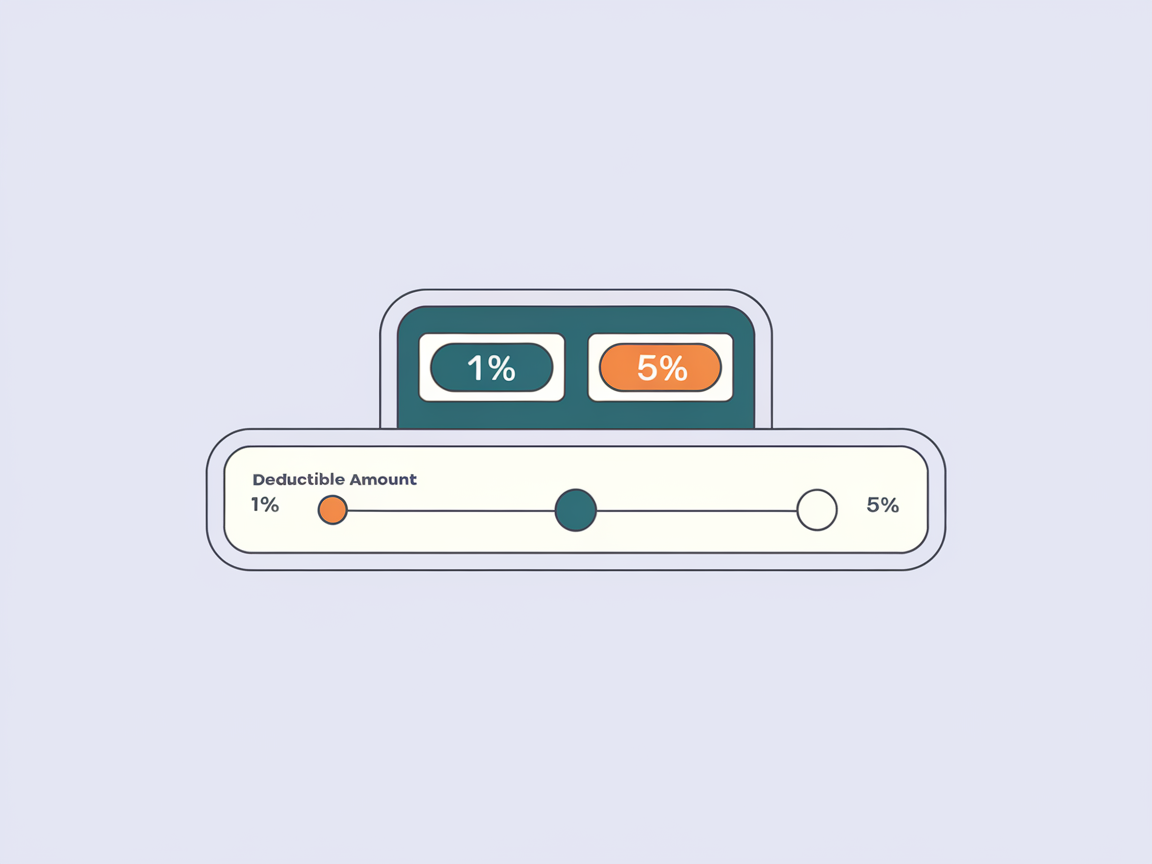
- High deductible options for cost-conscious expats
Limitations
- Mental health coverage varies significantly by plan
- Network not as extensive as Cigna in some areas
- Claims processing can be slower for complex cases
- Service quality varies by country within the region
Moving to a Nordic Country?
Get personalized quotes for private health insurance that complements the Nordic public healthcare system.
Compare Nordic PlansWe may earn a commission when you apply through our links. This does not affect our recommendations.
Pricing Comparison
Estimated annual costs for a 35-year-old in the Nordic region. Nordic countries have higher premiums due to local healthcare costs.
Prices vary by specific country, age, coverage level, and deductible selection. Norway tends to be the most expensive; Denmark the least.
Nordic Coverage Considerations
Public Healthcare Integration
Nordic public healthcare is excellent but often involves waiting times for non-urgent care. Private insurance provides access to specialists without waiting lists and allows you to choose your own doctors. Most expats use public care for emergencies and primary care while using private insurance for specialists and elective procedures.
Country-by-Country Considerations
Sweden: Strong public system, good private options in Stockholm and Gothenburg. Norway: Most expensive region, private insurance valuable for avoiding public waiting lists. Denmark: Mix of public and private works well, good private hospital access. Finland: Occupational health common, private insurance supplements well. Iceland: Smaller private sector, but insurers provide access to regional hospitals.
Seasonal Health Considerations
Long, dark winters affect mental health—ensure your plan includes robust mental health coverage including SAD (Seasonal Affective Disorder) treatment. Preventive care and wellness benefits help manage the challenges of Nordic living. All three providers offer telemedicine, valuable during winter months.
EU/EEA Mobility
All Nordic countries except Iceland are EU members (Norway is EEA). EU citizens have EHIC coverage, but this is limited to public care. International health insurance provides consistent private coverage as you travel between Nordic countries and the rest of Europe. Non-EU citizens especially benefit from comprehensive international coverage.
Family Coverage Considerations
Nordic countries have excellent public pediatric care, but private insurance offers faster access to specialists and orthodontics. Maternity care in public systems is excellent, but some expats prefer private midwives and birthing options. All three providers offer family plans with child discounts.
Best For
Choose Cigna If:
- Mental health coverage is important
- You travel frequently beyond Nordic region
- You want comprehensive preventive care
- You're assigned to multiple Nordic offices
- Budget allows for premium coverage
Choose Bupa If:
- Access to premium private hospitals matters
- You're in a major Nordic capital
- You want established local partnerships
- Service quality is a priority
- You prefer a European-focused provider
Choose Allianz If:
- Budget is a primary consideration
- You'll use public care for most needs
- High deductible plans appeal to you
- You want multilingual support
- You're based in Denmark specifically
Frequently Asked Questions
Do I need private insurance if Nordic public healthcare is so good?
It depends on your priorities. Nordic public healthcare is excellent but involves waiting times for specialists and elective procedures. Private insurance provides faster access, choice of doctors, and often better facilities. Many expats maintain both—using public for primary care and private for specialists.
How do I access public healthcare as an expat in Nordic countries?
EU/EEA citizens register with local systems through residency. Non-EU expats need residency permits to access public healthcare. Processing times vary—Denmark is fastest, Norway slowest. Private insurance bridges the gap during the registration period and provides ongoing private care options.
Is dental covered in Nordic countries?
Public dental care is limited or absent for adults in most Nordic countries. Children get free dental care. Adult dental is mostly private and expensive—Copenhagen dentists are particularly costly. Ensure your international plan includes dental coverage if this is important to you.
Which Nordic country is most expensive for healthcare?
Norway is the most expensive, followed by Iceland. Denmark tends to be the most affordable. Premium differences between countries can be 10-25%. If you're moving within the region, check how your premium changes with each country.
Can I use my insurance in multiple Nordic countries?
Yes, all three providers cover you throughout the Nordic region and beyond. This is valuable if you travel for work between Stockholm, Copenhagen, and Oslo. Ensure your plan covers your primary country of residence and any regular travel destinations.
What about coverage for winter sports activities?
Standard plans typically cover recreational skiing and winter sports. Competitive or extreme winter sports may require verification. The Nordic region has excellent mountain rescue services that coordinate with medical evacuation coverage. Verify specific activities if you're an avid skier.
Disclaimer: Nordic healthcare systems and insurance requirements vary by country. This comparison is for informational purposes only. Verify current coverage details, pricing, and residency requirements directly with providers and local authorities. Healthcare access rules may change with residency status and duration.