
Written by
John Spencer
John Spencer is the founder of Compare Expat Plans, where he focuses on helping people compare health plans for life abroad. He emphasizes clear information, neutral analysis, and practical decision support.
Overview
SafetyWing and IMG Global appear together in almost every "best digital nomad insurance" list, and for good reason—both offer accessible international coverage at prices that won't break a budget. But comparing them directly can be misleading, because they're fundamentally different products serving different needs.
SafetyWing Nomad Insurance is travel medical insurance. It covers emergencies, accidents, and acute illnesses while you're traveling—think broken bones, sudden infections, or accidents requiring hospitalization. It does not cover routine healthcare, pre-existing conditions, or ongoing medical needs. It's designed for healthy travelers who want a safety net, not a healthcare plan.
IMG Global is actual health insurance. It covers comprehensive healthcare including routine doctor visits, prescriptions, preventive care, mental health, and (with underwriting) pre-existing conditions. It's designed for expats who need ongoing healthcare coverage, not just emergency protection.
This distinction matters enormously. Choosing between them isn't really about which is "better"—it's about understanding which product category matches your actual needs. A healthy 25-year-old testing the digital nomad lifestyle for six months has different needs than a 45-year-old settling abroad long-term with ongoing healthcare requirements.
This comparison will help you understand both options in depth, including their limitations and strengths, so you can choose the coverage that actually fits your situation rather than just picking the cheapest option.
Critical Distinction: Different Product Categories
SafetyWing Nomad Insurance is travel medical insurance—it covers emergencies and unexpected illness while traveling. IMG Global is actual health insurance—it covers ongoing healthcare, routine visits, and comprehensive medical needs. Comparing them on price alone is like comparing car rental insurance to car ownership—they serve different purposes.
SafetyWing at a Glance
- Founded: 2017 (San Francisco)
- Product: Travel medical insurance
- Max Coverage: $250,000
- Model: Subscription, cancel anytime
- Target: Digital nomads, travelers
- Price: From $45/4 weeks
IMG Global at a Glance
- Founded: 1990 (Indianapolis)
- Product: Comprehensive health insurance
- Max Coverage: $1M-$8M
- Model: Annual policy
- Target: Expats, long-term travelers
- Price: From $100/month
Quick Decision Guide
Choose SafetyWing if:
- • You're young and healthy with no ongoing conditions
- • You need flexible, cancel-anytime coverage
- • Budget is your primary concern (~$45/4 weeks)
- • You only need emergency/accident coverage
Choose IMG Global if:
- • You need comprehensive health coverage
- • You have or expect ongoing medical needs
- • You want routine checkups and prescriptions
- • You need mental health or maternity coverage
Company Backgrounds
Understanding where these companies come from helps explain their different approaches to international coverage. One is a venture-backed startup disrupting travel insurance; the other is a traditional insurance company with decades of experience.
SafetyWing: The Startup Approach
SafetyWing was founded in 2017 by Norwegian entrepreneurs who saw a gap in the market: existing travel insurance was complicated, expensive, and designed for traditional vacationers, not the growing population of remote workers and digital nomads who live and work across borders.
Their solution was elegantly simple: subscription-based travel medical insurance you can buy in minutes, cancel anytime, and manage entirely online. No long applications, no medical underwriting, no annual commitments. Just sign up, pay monthly (actually every 28 days), and you're covered.
This simplicity comes with tradeoffs. To keep the product simple and affordable, SafetyWing covers emergencies and acute conditions only. They don't underwrite pre-existing conditions (they just exclude them), don't cover routine care (not even a basic doctor's visit), and cap total coverage at $250,000—a limit that can be exceeded by a single serious illness in a country with expensive healthcare.
SafetyWing has grown rapidly, particularly among the digital nomad community. They're backed by over $30 million in venture capital and have expanded their product line to include Remote Health (actual health insurance) and SafetyWing Teams (coverage for remote companies). But their flagship Nomad Insurance remains a travel medical product, not health insurance.
IMG Global: The Traditional Approach
International Medical Group (IMG) was founded in 1990, making them a veteran in international health insurance. Based in Indianapolis, they've spent over three decades building the infrastructure, provider relationships, and underwriting expertise that comprehensive health insurance requires.
IMG takes the traditional insurance approach: comprehensive coverage, medical underwriting, annual policies, and the full range of benefits you'd expect from health insurance—routine care, prescriptions, mental health, maternity (as an add-on), and coverage limits in the millions rather than hundreds of thousands.
Their product lineup includes several tiers, from Silver (most affordable) to Platinum (most comprehensive). They offer flexible deductibles, different coverage areas, and optional add-ons. This flexibility means more complexity—you need to make more decisions upfront—but also more customization to match your specific needs.
IMG isn't as trendy as SafetyWing in the digital nomad community, but they have a solid reputation among expats who need genuine health insurance rather than travel coverage. They're regulated as an insurance company, maintain required reserves, and have the financial stability that comes with decades of profitable operation.
Compare Both Options
Get quotes from SafetyWing and IMG Global to see actual pricing for your situation.
Understanding the Difference: Travel Medical vs. Health Insurance
Before diving into detailed comparisons, it's crucial to understand what separates travel medical insurance from health insurance. This isn't just semantics—it determines what gets covered and what doesn't.
| Aspect | Travel Medical | Health Insurance |
|---|---|---|
| Primary Purpose | Emergency coverage while traveling | Comprehensive healthcare abroad |
| Duration | Short-term, flexible | Annual commitment |
| Covers Routine Care | No | Yes |
| Covers Pre-existing | No | Usually (underwritten) |
| Best For | Travelers, short trips, young/healthy | Long-term expats, ongoing care needs |
What Travel Medical Insurance Covers
Travel medical insurance like SafetyWing Nomad is designed to protect you from unexpected medical emergencies while traveling. If you break your leg skiing, get food poisoning, or develop a sudden infection, travel medical insurance covers the treatment. It's a safety net for the unexpected.
What it doesn't cover is equally important: routine doctor visits, ongoing prescriptions, management of chronic conditions, mental health care, preventive screenings, or anything related to pre-existing conditions. If you have diabetes and need insulin, travel medical doesn't cover it. If you want an annual checkup, you're paying out of pocket.
Travel medical insurance typically has lower coverage limits ($250,000 for SafetyWing) because it's designed for acute episodes, not ongoing care. Most emergencies cost less than this, but a serious illness like cancer or a major accident with extended hospitalization can exceed these limits quickly in expensive healthcare markets.
What Health Insurance Covers
Health insurance like IMG Global is designed to be your primary healthcare coverage. It covers the full spectrum of medical needs: routine visits, preventive care, specialist consultations, prescriptions, mental health, chronic condition management, and emergencies. It's meant to replace (or supplement) the health insurance you'd have in your home country.
Health insurance involves medical underwriting—the insurer reviews your health history and either covers pre-existing conditions, excludes them specifically, or applies premium loadings. This process takes more time and may cost more, but means your actual health needs can potentially be covered rather than automatically excluded.
Coverage limits are much higher (IMG offers up to $8 million) because health insurance is designed to handle serious, expensive conditions. Cancer treatment, organ transplants, extended hospitalizations—these are scenarios health insurance is built to cover.
Which Do You Actually Need?
Ask yourself these questions: Do you only need coverage for accidents and emergencies, or do you need ongoing healthcare? Are you young and healthy with no medical history, or do you have conditions requiring regular management? Are you traveling for a few months, or settling abroad long-term?
If you're 28, perfectly healthy, traveling for six months, and have access to affordable local healthcare for routine needs, SafetyWing's emergency coverage might be sufficient. If you're 45, take regular medication, want comprehensive healthcare abroad, and are planning to live overseas for years, you need actual health insurance like IMG.
Coverage Comparison
With the product categories clear, let's compare specific coverage details. Remember: SafetyWing's coverage gaps aren't bugs—they're the result of offering a simpler, cheaper travel medical product.
| Feature | SafetyWing Nomad | IMG Global |
|---|---|---|
| Type | Travel Medical | Health Insurance |
| Maximum Coverage | $250,000 | $1M-$8M |
| Deductible | $250 (fixed) | $250-$10,000 |
| Outpatient Care | Emergency only | Full coverage |
| Mental Health | Not covered | Included |
| Maternity | Not covered | Optional add-on |
| Pre-existing Conditions | Not covered | Underwritten |
| Routine Checkups | Not covered | Included |
| Prescriptions | Emergency only | Full coverage |
| Medical Evacuation | $100,000 | Included |
| US Coverage | 30 days/90 | Full (optional) |
Coverage Limits
SafetyWing's $250,000 maximum is the most significant limitation of their product. While this covers most emergencies, a serious diagnosis could exceed it. Cancer treatment in the US routinely costs $150,000-$400,000 or more. A major accident requiring surgery and rehabilitation could approach or exceed the limit. In expensive healthcare markets, $250,000 doesn't go as far as it sounds.
IMG's coverage limits range from $1 million (Silver) to $8 million (Platinum). These limits are designed to handle worst-case scenarios—the kinds of major health events that could bankrupt you without insurance. For most people, the difference between $5 million and $8 million coverage is theoretical, but having million-dollar coverage versus $250,000 coverage can be the difference between financial security and disaster.
Routine and Preventive Care
SafetyWing does not cover routine care. Want a checkup? Pay out of pocket. Need a prescription for an ongoing condition? Not covered. Want to see a dermatologist about a non-urgent concern? Pay yourself. This is by design—it keeps the product simple and cheap—but it means you need another solution for routine healthcare.
IMG covers routine care as part of their health insurance. Doctor visits, preventive screenings, vaccinations, prescriptions, and specialist consultations are covered according to your plan's terms. This is what makes it health insurance rather than travel insurance.
Mental Health
SafetyWing does not cover mental health services. No therapy, no psychiatry, no coverage for depression, anxiety, or other mental health conditions. Given that expats and remote workers face elevated mental health challenges from isolation, cultural adjustment, and distance from support networks, this is a meaningful gap.
IMG includes mental health coverage in their plans. Outpatient therapy, psychiatric consultations, and mental health medications are covered. Coverage levels vary by plan tier, but the benefit exists.
Pre-existing Conditions
SafetyWing's approach is simple: pre-existing conditions are excluded, period. If you have diabetes, asthma, or any other pre-existing condition, any treatment related to that condition is not covered. No underwriting, no exceptions, no pathway to coverage.
IMG underwrites pre-existing conditions individually. Depending on the condition and its stability, they may cover it from day one, apply a waiting period, exclude it specifically, or apply a premium loading. This is more complex but offers the possibility of actual coverage for existing health needs.
US Coverage
SafetyWing includes limited US coverage—up to 30 days per 90-day period. If you need emergency care while visiting the US, you're covered. But if you're an American expat who might return to the US frequently, or if you need US coverage as your primary area, SafetyWing isn't designed for that.
IMG offers full US coverage as an option. It increases premiums significantly (American healthcare is expensive), but you can have comprehensive coverage that works in the US if that's what you need.
Pricing Breakdown
SafetyWing is significantly cheaper than IMG—but you're buying significantly less coverage. Understanding the value proposition requires looking at both price and what you get for that price.
| Profile | SafetyWing Nomad | IMG Silver |
|---|---|---|
| Age 25, ex-US | $45/4 weeks | $85-120/mo |
| Age 30, ex-US | $45/4 weeks | $100-150/mo |
| Age 40, ex-US | $76/4 weeks | $150-235/mo |
| Age 50, ex-US | $117/4 weeks | $250-350/mo |
| Age 60, ex-US | $189/4 weeks | $400-550/mo |
SafetyWing prices are for Nomad Insurance excluding US coverage. IMG prices are for Silver tier with moderate deductible, excluding US coverage.
SafetyWing Pricing Model
SafetyWing's pricing is refreshingly simple: it's based on your age and whether you include US coverage. That's it. No medical questions, no underwriting, no complex tier structures. A 30-year-old pays $45 every 28 days (approximately $49/month) regardless of health history or destination.
The subscription model means no annual commitment. You can cancel anytime and restart anytime. This flexibility is valuable for people whose travel plans are uncertain or who want to try the digital nomad lifestyle without a long-term insurance commitment.
For families, SafetyWing includes one child (under 10) free per adult, making it particularly economical for traveling families with young kids.
IMG Pricing Model
IMG's pricing is more complex. Your premium depends on your age, plan tier (Silver/Gold/Platinum), deductible choice ($250-$10,000), coverage area, and individual underwriting factors. This complexity allows customization but requires more decision-making.
IMG is an annual policy with month-to-month payment options. Paying monthly adds approximately 20% to your total cost—if you can afford annual payment, you'll save substantially. This is standard practice in health insurance.
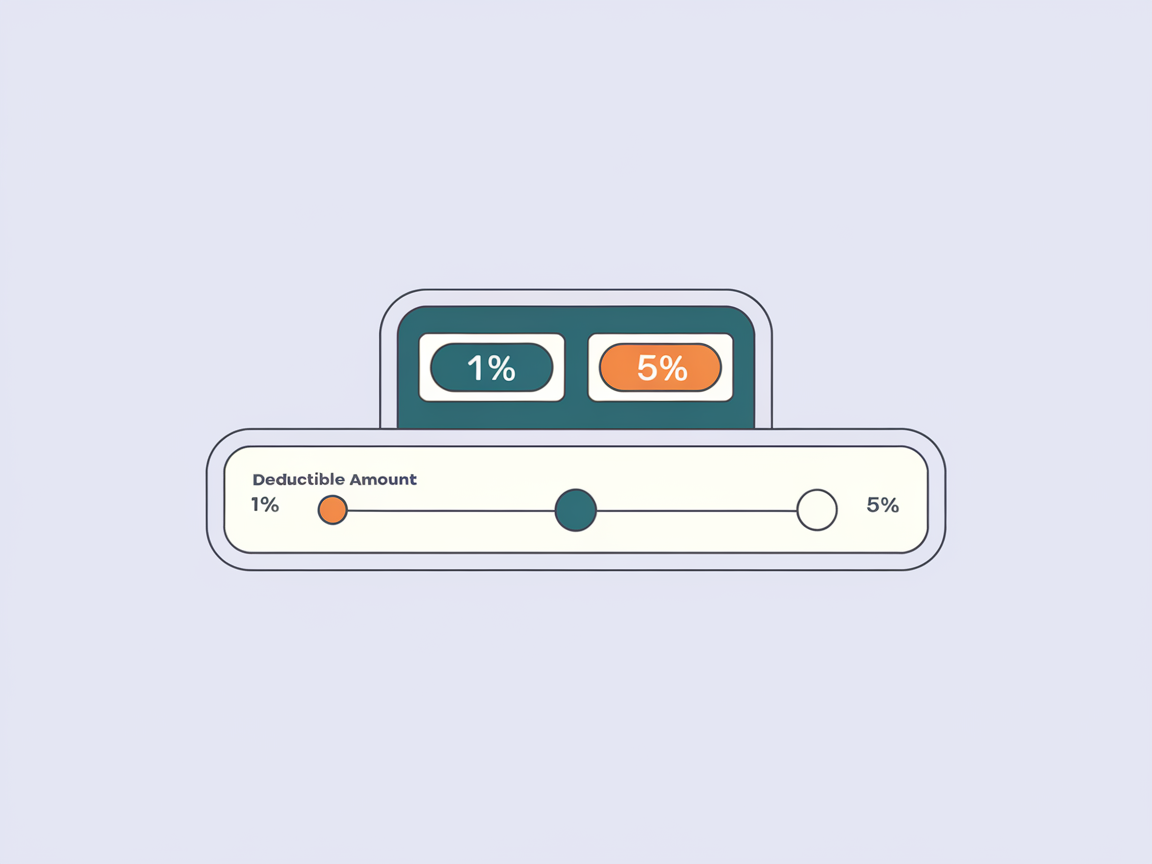
Higher deductibles significantly reduce premiums. IMG's $5,000 deductible option can make comprehensive health insurance surprisingly affordable for healthy people willing to self-insure routine expenses.
Value Analysis
SafetyWing at $49/month buys you $250,000 in emergency coverage with a $250 deductible. That's roughly $0.20 per thousand dollars of coverage per month.
IMG Silver at $125/month buys you $5,000,000 in comprehensive coverage (let's assume $2,500 deductible). That's roughly $0.025 per thousand dollars of coverage per month—actually much better coverage per dollar.
But this analysis misses the point. The question isn't which offers more coverage per dollar—it's which product you actually need. If you only need emergency coverage, paying more for comprehensive health insurance you won't use is wasteful. If you need actual healthcare, "saving" money on travel medical insurance that doesn't cover your needs is false economy.
The Real Question
Don't ask "which is cheaper?" Ask "what do I actually need?" If you need only emergency coverage, SafetyWing offers good value. If you need healthcare, IMG is the investment. Buying the wrong product—cheap or expensive—is the worst value of all.
Get Your Actual Price
See what each option would actually cost for your specific situation and needs.
Network and Claims
How you access care and get reimbursed affects your day-to-day experience with insurance. These providers take different approaches reflecting their different product categories.
Provider Networks
IMG Global maintains an established provider network with direct billing relationships at hospitals worldwide. Their network is particularly strong in major expat destinations and international hospital groups. You can often show your IMG card and receive treatment without paying upfront—the insurer pays the hospital directly.
SafetyWing doesn't have a traditional provider network. For emergencies, they'll coordinate with hospitals, but most claims are reimbursement-based—you pay the provider, then submit a claim to get paid back. This is typical for travel medical insurance and reflects their lighter operational model.
The practical difference: with IMG, you can often walk into a network hospital and receive care without payment complexity. With SafetyWing, you'll typically pay and then seek reimbursement, which requires having funds available and dealing with paperwork afterward.
Claims Processing
IMG offers online and app-based claims submission. Their process is more traditional insurance—submit documentation, wait for review, receive payment. Processing can take 2-4 weeks for straightforward claims, longer for complex situations. Members report generally reliable outcomes but not always fast processing.
SafetyWing has a simple online claims portal reflecting their startup DNA. Small claims are often processed quickly. However, member reviews are mixed—straightforward claims tend to go smoothly, but more complex situations can face delays, requests for additional documentation, or disputes requiring appeals. As a younger company, their claims processes may be less refined than established insurers.
Customer Service
IMG provides 24/7 support with multilingual representatives, in-house medical staff, and case managers for complex situations. This is traditional insurance customer service—phone trees and wait times, but competent help when you get through.
SafetyWing offers email and chat support during business hours. No 24/7 phone line, which can be concerning if you have an emergency at 3 AM. Their support style is startup-casual—often responsive via chat but less comprehensive than traditional insurers. For a travel medical product used by healthy travelers having minor emergencies, this may be adequate. For complex healthcare situations, it may feel insufficient.
Real-World Scenarios
Abstract comparisons only go so far. Here's how these products might perform in situations digital nomads and expats actually encounter.
Scenario 1: Broken Leg in Bali
You're a 28-year-old digital nomad who crashes your motorbike in Bali. You need emergency care, X-rays, and possibly surgery to set the bone.
With SafetyWing: This is exactly what SafetyWing is designed for. Emergency care is covered. You go to BIMC Hospital, receive treatment, pay (Indonesian healthcare is relatively affordable), and submit your claim for reimbursement. Total cost might be $2,000-5,000 depending on severity—well within your $250,000 coverage.
With IMG: Same scenario, fully covered. IMG may have direct billing at major hospitals, potentially simplifying the payment process. Either way, you're covered.
Verdict: Both work well. This is an emergency—exactly what travel medical insurance covers. The price difference doesn't matter for this scenario.
Scenario 2: Developing Anxiety While Living Abroad
You're a 35-year-old remote worker who's been abroad for a year. The isolation and constant uncertainty are affecting your mental health. You need therapy—probably weekly sessions for several months.
With SafetyWing: Not covered. Mental health is excluded from Nomad Insurance. You'll pay out of pocket for therapy, which could cost $50-200 per session depending on location—potentially $200-800/month.
With IMG: Covered. Mental health benefits are included. You find a therapist, receive treatment, and submit claims (or use direct billing if available). Your coverage makes sustained mental health treatment financially manageable.
Verdict: IMG wins decisively. If mental health support is something you might need—and statistically, many expats do—SafetyWing doesn't provide it.
Scenario 3: Managing Diabetes Abroad
You're a 45-year-old with well-controlled Type 2 diabetes. You need regular doctor visits, prescription medication, and occasional blood tests to manage your condition.
With SafetyWing: None of this is covered. Diabetes is a pre-existing condition—excluded entirely. Routine doctor visits aren't covered anyway. You'll pay for everything yourself: consultations, medications, lab work.
With IMG: After underwriting, diabetes management may be covered—possibly with a waiting period or premium loading, but covered. Your regular medications, doctor visits for diabetes management, and related care become insured expenses rather than out-of-pocket costs.
Verdict: IMG is the only viable option. SafetyWing simply doesn't cover ongoing condition management.
Scenario 4: Serious Cancer Diagnosis
You're diagnosed with cancer while living abroad. Treatment will involve surgery, chemotherapy, potentially radiation, and months of care.
With SafetyWing: Initially covered as an emergency—but your $250,000 limit becomes a serious concern. Cancer treatment can easily cost $150,000-$400,000 or more. If your treatment exceeds the limit, you're personally responsible for the excess. Additionally, once you've used your coverage, you're facing ongoing cancer care without insurance.
With IMG: Covered with limits of $1M-$8M depending on your plan. A serious cancer diagnosis is exactly why you have comprehensive health insurance. The higher limits provide security that your treatment won't be cut short by insurance caps.
Verdict: IMG's higher limits matter for serious illness. SafetyWing's $250,000 cap could leave you underinsured for the most expensive scenarios.
Scenario 5: Six-Month Trial Run of Nomad Life
You're 27, perfectly healthy, and want to try the digital nomad lifestyle for six months in Southeast Asia where healthcare is affordable. You have savings for routine expenses but want protection from major emergencies.
With SafetyWing: This is the ideal use case. You're young, healthy, short-term, in an affordable healthcare region. SafetyWing provides emergency coverage without commitment. If things don't work out, you cancel and go home. Total cost: roughly $270 for six months.
With IMG: Works fine, but you're paying significantly more for comprehensive coverage you probably won't use. You'd be paying for routine care benefits in countries where routine care costs $20 out of pocket. Overkill for this situation.
Verdict: SafetyWing is the right choice. For short-term, healthy, budget-conscious travel, their product fits perfectly.
Regional Considerations
Where you're going affects which product makes more sense. Healthcare costs and quality vary dramatically across regions.
Southeast Asia
Thailand, Vietnam, Indonesia, and other Southeast Asian countries offer affordable quality healthcare. A doctor visit might cost $20-50; medications are cheap. In this context, SafetyWing's emergency-only coverage makes more sense—you can afford routine care out of pocket while having protection against expensive emergencies.
IMG also works well here, and the 50% deductible reduction for treatment outside the US means your effective deductible is halved in these countries.
Western Europe
Healthcare in Western Europe is generally high-quality but can be expensive out of pocket, especially in countries like Switzerland, Denmark, or the UK (for non-residents). SafetyWing covers emergencies, but if you need routine care, you'll face higher out-of-pocket costs than in Asia.
IMG's comprehensive coverage becomes more valuable here, especially for longer stays where routine healthcare needs are likely.
Latin America
Mexico, Colombia, and other Latin American countries offer affordable healthcare in major cities. Similar to Southeast Asia, SafetyWing's emergency coverage can work well if you're comfortable paying for routine care. IMG provides more comprehensive coverage if you prefer insurance-covered healthcare.
United States
American healthcare is expensive by any measure. SafetyWing's limited US coverage (30 days per 90-day period) is fine for visits, but if you need substantial US coverage, you need IMG or another comprehensive insurer. SafetyWing's $250,000 limit could be exceeded by a single major hospitalization in the US.
Customer Experience
Beyond coverage and claims, how does it feel to use these products? The companies have distinctly different personalities.
The SafetyWing Experience
SafetyWing feels like a tech startup. Their website is modern and clean. Signing up takes minutes. Their marketing speaks directly to digital nomads in casual, relatable language. They have a strong community presence, sponsor nomad events, and understand the lifestyle they're serving.
The startup vibe extends to support—chat-based, often responsive, but not available 24/7 and not always able to handle complex situations. Some users report excellent experiences; others describe frustrating runarounds for claims issues.
As a relatively young company, SafetyWing has less track record than established insurers. They've grown fast and seem financially stable, but they don't have decades of claims-paying history to point to.
The IMG Experience
IMG feels like a traditional insurance company—because it is one. Their website is functional but not exciting. The signup process involves more forms and takes longer. Their marketing is professional but less "fun."
The traditional approach extends to support—phone-based, professional, 24/7 available, staffed by people who know insurance. When you have a complex claim or medical situation, they have the infrastructure to handle it.
With 30+ years in business, IMG has an established track record. They're regulated, maintain required reserves, and have paid billions in claims over their history. This stability matters when you're trusting someone with your health coverage.
Digital Experience
SafetyWing has the better digital experience—modern app, clean portal, designed for people who live on their phones. IMG's digital tools are adequate but feel dated. For tech-savvy nomads who want a slick interface, SafetyWing wins.
For complex insurance management—understanding benefits, tracking claims, managing annual policies—IMG's less fancy tools actually provide more functionality once you learn them.
Who Should Choose Which
Based on everything above, here's who each product serves best.
Choose SafetyWing If:
- You're young and healthy — Under 40 with no ongoing health needs
- You only need emergency coverage — Accidents and acute illness
- You want flexibility — No commitment, cancel anytime
- You're testing nomad life — Short-term or uncertain duration
- Budget is paramount — Need the lowest possible cost
- Local healthcare is affordable — Can pay routine costs out of pocket
- No pre-existing conditions — Nothing that needs coverage
Choose IMG Global If:
- You need health insurance — Not just emergency coverage
- You're over 40 — Healthcare needs increase with age
- You have health conditions — Need coverage for existing issues
- Mental health matters — Want therapy/psychiatric coverage
- You're settling long-term — Living abroad for years
- You want high coverage limits — Protection against major illness
- Routine care is important — Want covered checkups and prescriptions
Our Verdict
SafetyWing and IMG Global are both good products—for their intended purposes. The key is understanding which purpose matches your situation.
SafetyWing Nomad Insurance is excellent travel medical insurance. For young, healthy travelers who want affordable emergency coverage without commitment, it's hard to beat. The subscription model, simple pricing, and nomad-friendly approach make it the go-to choice for the "just in case" crowd. Accept its limitations—no routine care, no pre-existing conditions, no mental health, lower coverage limits—and it delivers good value for what it is.
IMG Global is solid comprehensive health insurance. For expats who need actual healthcare coverage—routine care, prescriptions, mental health, higher limits, potential pre-existing condition coverage—IMG provides what SafetyWing can't. It costs more because it covers more. The traditional insurance model is less exciting but more comprehensive.
Our recommendation depends entirely on your situation:
If you're a healthy person under 35 testing the nomad lifestyle for months rather than years, SafetyWing is probably the right choice. Low cost, high flexibility, adequate emergency coverage.
If you're settling abroad long-term, over 40, or have any ongoing health needs, you need actual health insurance—IMG Global or a comparable comprehensive provider. Saving money on coverage that doesn't meet your needs isn't saving money at all.
The worst choice is picking based on price alone without understanding what you're buying. SafetyWing isn't "cheap IMG"—it's a different product. Make sure you're buying what you actually need.
Ready to Decide?
Get quotes from both providers to see actual pricing for your situation.
Frequently Asked Questions
Is SafetyWing actual health insurance?
No. SafetyWing Nomad Insurance is travel medical insurance, which covers emergencies and acute conditions. It doesn't cover routine care, pre-existing conditions, or ongoing health needs. SafetyWing does offer a separate product called Remote Health which is actual health insurance, starting around $100/month.
Why is SafetyWing so much cheaper than IMG?
Because you're buying less coverage. SafetyWing only covers emergencies, has a $250,000 limit, excludes pre-existing conditions, and doesn't cover routine care. IMG covers comprehensive healthcare with limits up to $8 million. Lower price reflects less coverage.
Can I use SafetyWing as my primary health insurance?
You can, but should you? If you're young, healthy, and only need emergency coverage, it may suffice. But it won't cover routine doctor visits, prescriptions for ongoing conditions, mental health, or anything related to pre-existing conditions. Most people need more than emergency coverage for primary health insurance.
Does IMG cover pre-existing conditions?
IMG underwrites pre-existing conditions individually. Depending on the condition, they may cover it fully, apply a waiting period, exclude it specifically, or charge a premium loading. This is more favorable than SafetyWing's blanket exclusion of all pre-existing conditions.
Which is better for digital nomads?
It depends on the nomad. Young, healthy nomads on short-term trips often choose SafetyWing for its flexibility and low cost. Older nomads, those with health conditions, or those settling abroad long-term typically need IMG's comprehensive coverage. "Digital nomad" isn't a single profile—assess your actual needs.
Can I switch from SafetyWing to IMG later?
Yes, but timing matters. If you develop a health condition while on SafetyWing, it becomes a pre-existing condition for IMG's underwriting. Ideally, get comprehensive insurance before you have claims that create new conditions. Switching from travel medical to health insurance makes sense as your needs evolve.
Written by
John Spencer
John Spencer is the founder of Compare Expat Plans, where he focuses on helping people compare health plans for life abroad. He emphasizes clear information, neutral analysis, and practical decision support.
Disclaimer: This comparison is for informational purposes only. Prices, coverage details, and plan features change frequently. We are not insurance brokers or agents. Always verify current information directly with SafetyWing and IMG Global before making purchasing decisions. Individual circumstances vary, and what works for one person may not work for another.