Written by
John Spencer
John Spencer is the founder of Compare Expat Plans, where he focuses on helping people compare health plans for life abroad. He emphasizes clear information, neutral analysis, and practical decision support.
You need an MRI abroad. With your home country insurance, you'd just show your card and the hospital handles everything. With international insurance, it might work that way—or you might need to pay $2,000 upfront and submit paperwork for reimbursement.
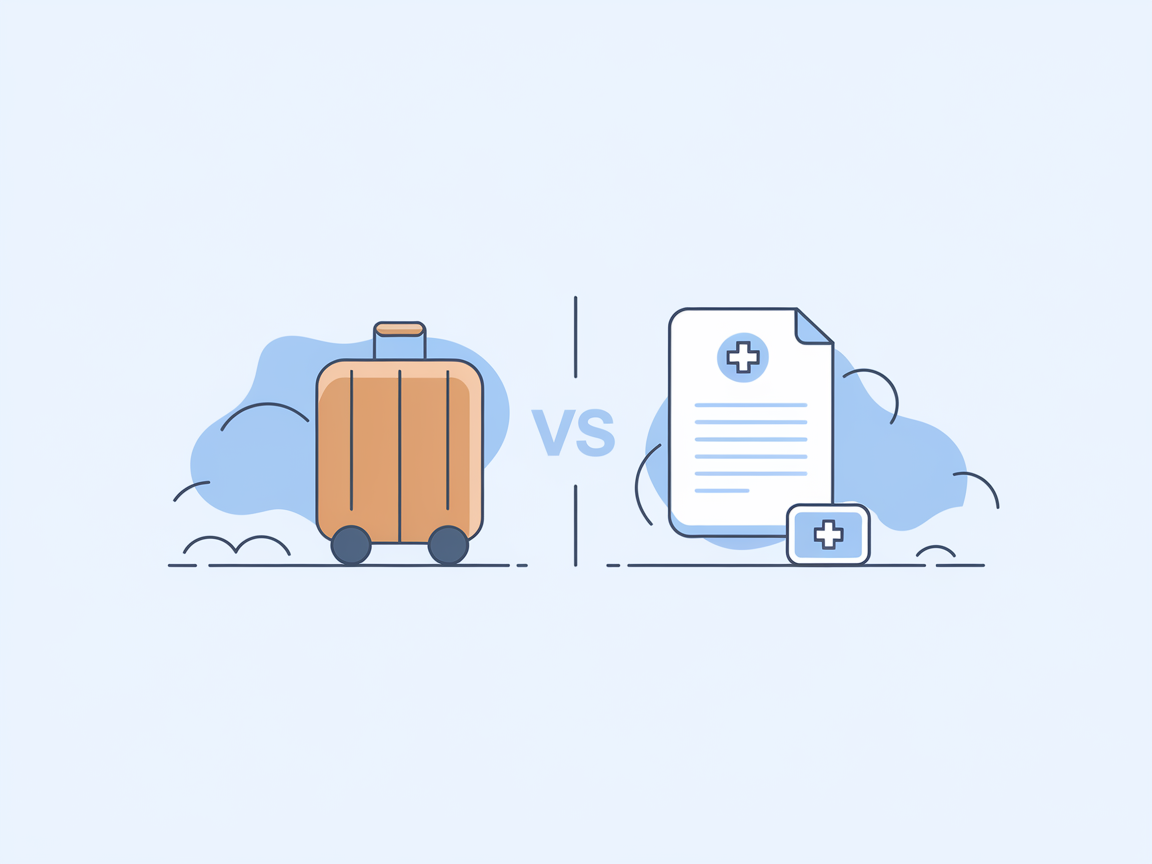
International health insurance uses two payment models: direct billing (the provider bills your insurer) and reimbursement (you pay, then claim back). Understanding both is essential for managing healthcare abroad without financial surprises.
This guide explains how each model works, when each applies, how to maximize direct billing access, and how to handle reimbursement efficiently when you need to.
The Two Payment Models
Direct Billing (Cashless)
With direct billing, the healthcare provider bills your insurance company directly. You show your insurance card, receive care, and pay only your cost-sharing portion (deductible, copay). The provider handles the rest with your insurer.
Reimbursement (Pay and Claim)
With reimbursement, you pay the provider in full at time of service. You then submit a claim to your insurer with receipts and documentation. The insurer reviews and reimburses you for covered expenses minus your cost-sharing.
Why Both Exist
Direct billing requires arrangements between providers and insurers. This is only possible with network providers who have agreed to these arrangements. For care outside the network—or in countries where your insurer has limited relationships—reimbursement is the only option.
Your Policy Determines Which
Your insurance policy and choice of provider determine which model applies. Network hospitals: likely direct billing. Non-network doctors: likely reimbursement. Emergency abroad: may depend on the hospital's systems.
Direct Billing Explained
How It Works
Present your insurance card at a network provider. The provider verifies your coverage, provides treatment, and sends the bill to your insurer. You pay only your portion—deductible, copay, or coinsurance as specified by your plan.
Pre-Authorization
Planned procedures usually require pre-authorization. Contact your insurer before the appointment. They'll verify coverage, confirm the provider is in-network, and authorize direct billing. Without pre-authorization, direct billing may be denied.
Guarantee of Payment
For hospitalizations, insurers issue a Guarantee of Payment (GOP) to the hospital. This confirms the insurer will pay covered costs. Hospitals require this before providing non-emergency inpatient care on a direct-billing basis.
What You Pay at the Visit
With direct billing, you pay your cost-sharing only: deductible (if not yet met), copay (fixed amount per visit), or coinsurance (percentage of cost). For a $500 procedure with $50 copay, you pay $50 at the visit.
The Convenience Factor
Direct billing is significantly easier. No upfront cash outlay (beyond cost-sharing), no paperwork, no waiting for reimbursement. You receive care and walk away—like domestic insurance in many countries.
Reimbursement Explained
How It Works
Pay the healthcare provider directly—cash, credit card, or bank transfer. Obtain itemized receipts and any required documentation. Submit a claim to your insurer. Wait for processing. Receive reimbursement to your bank account.
Documentation Required
Typical requirements: itemized invoice showing services, dates, provider details; proof of payment; medical report or referral letter; prescription for medications; claim form completed by you (and sometimes the provider).
Processing Time
Standard reimbursement takes 1-4 weeks from submission to payment. Complex claims take longer. Some insurers are faster (5-7 days); some slower. Check your insurer's stated processing times.
Reimbursement Amount
You're reimbursed for covered expenses minus your cost-sharing. If you paid $1,000 for a covered procedure and have a $500 deductible, you're reimbursed $500 (assuming deductible wasn't previously met).
Cash Flow Impact
Reimbursement requires you to have cash available to pay upfront. For a $10,000 hospitalization, you need $10,000 in accessible funds. This can be significant—especially for major medical events.
Comparing the Two Models
| Factor | Direct Billing | Reimbursement |
|---|---|---|
| Upfront cost | Copay/deductible only | Full amount |
| Availability | Network providers only | Any provider |
| Documentation burden | Minimal | You handle it |
| Processing time | Handled at visit | 1-4 weeks typically |
| Provider choice | Limited to network | Unlimited |
| Cash flow impact | Low | Significant |
Convenience vs. Flexibility
Direct billing is more convenient—less paperwork, no upfront cash. Reimbursement offers more flexibility—you can see any provider anywhere, not just network providers.
For Routine Care
For regular doctor visits and planned procedures, direct billing is preferable if available. It's simpler and removes cash flow concerns.
For Specialists and Specific Needs
If you need a specific specialist not in network, or you're in a location without network providers, reimbursement lets you access the care you need.
For Emergencies
Emergencies may be either. Many hospitals accept direct billing for emergency admissions even if not in your insurer's formal network. But you may need to pay upfront at smaller facilities or in certain countries.
Looking for Strong Direct Billing Networks?
Compare international health insurance plans with extensive direct billing networks. Minimize out-of-pocket payments and paperwork.
Compare PlansWe may earn a commission when you apply through our links. This does not affect our recommendations.
Finding Direct Billing Providers
Insurer's Provider Directory
Your insurer maintains a list of network providers offering direct billing. Access this through your insurer's website, mobile app, or member portal. Search by location and specialty to find options near you.
Call Before You Go
Provider directories aren't always current. Call the provider before your appointment to confirm they still offer direct billing with your insurer. Ask what documentation to bring.
Hospital vs. Outpatient
Direct billing is more common for hospital care than outpatient. Major hospitals in expat-heavy cities usually work with international insurers. Small clinics and individual doctors often require reimbursement.
Geography Matters
Direct billing networks are stronger in some regions than others. Southeast Asia, Europe, and Middle East typically have good networks. Rural areas and smaller countries may have limited direct billing options.
Building Relationships
Once you find a provider offering direct billing, build that relationship. Return to them for ongoing care. They know your insurer's processes; claims are handled smoothly.
Mastering the Reimbursement Process
Collect Proper Documentation
At time of service, obtain: itemized invoice (not just a receipt) with procedure codes and costs; proof of payment; doctor's notes or medical report if available; prescription copies. Ask for English translations if documents are in another language.
Complete the Claim Form
Your insurer has a claim form—use it. Complete all fields. Attach required documents. Sign where indicated. Incomplete forms cause delays.
Submit Promptly
Most policies require claim submission within 60-180 days of treatment. Submit promptly—delays risk denial. Many insurers accept digital submission through apps or portals.
Keep Copies
Keep copies of everything you submit. If claims are lost or disputed, you need records. Photograph documents before mailing; save email confirmations for digital submissions.
Track Your Claim
Follow up if you don't receive acknowledgment within a week. Track claim status through your insurer's portal. If processing exceeds stated timeframes, contact them.
Receive Payment
Reimbursement typically arrives via bank transfer. Ensure your insurer has correct banking details. Verify the amount matches expected reimbursement; dispute discrepancies.
Handling Emergencies
Emergency Direct Billing
Many hospitals arrange direct billing for genuine emergencies even without pre-authorization. Contact your insurer's emergency line; they can often arrange GOP with the hospital in real-time.
If You Must Pay Upfront
In emergencies where you can't arrange direct billing, pay what's required and claim later. Get care first; sort out payment second. Keep all documentation meticulously.
Emergency Contact Information
Carry your insurer's emergency phone number—not just a general number. Many insurers have 24/7 emergency lines specifically for coordinating urgent care and arranging direct billing.
Hospital Deposits
Some hospitals require deposits for emergency admission until insurance is verified. This is common. Pay the deposit, keep the receipt, and it will be refunded or credited once insurance coverage is confirmed.
Practical Tips
Carry Your Insurance Card
Always carry your insurance card with policy number and emergency contacts. Store a photo on your phone as backup. This enables direct billing when available.
Maintain Cash Reserves
Even with good direct billing access, you may need to pay upfront sometimes. Maintain cash reserves or credit availability for unexpected reimbursement situations.
Use Credit Cards Strategically
Pay medical bills with a credit card when you need to pay upfront. This provides float until reimbursement arrives and may offer purchase protection. Pay off the balance when reimbursement comes.
Learn Key Phrases
Know how to say "direct billing" or "cashless" in the local language. Explain you have international insurance. Ask if they work with your insurer.
Pre-Authorize When Possible
For planned procedures, always pre-authorize. This confirms coverage, arranges direct billing, and prevents surprises. It takes a phone call or email—worth the effort.
Frequently Asked Questions
Can I always get direct billing?
No. Direct billing requires network providers with arrangements with your insurer. In some locations—especially rural areas or countries where your insurer has limited presence—reimbursement may be the only option.
What if the hospital denies direct billing?
Pay upfront and submit for reimbursement. This happens when coverage can't be verified quickly or the hospital doesn't work with your insurer. You're still covered; you just need to claim.
How long until I get reimbursed?
Typically 1-4 weeks from claim submission, assuming complete documentation. Some insurers are faster (5-7 days); complex claims take longer. Check your insurer's stated processing times.
Do I need original documents for reimbursement?
Some insurers accept digital copies; others require originals. Check your insurer's requirements. When in doubt, keep originals safe while submitting copies, then provide originals if requested.
What if my reimbursement claim is denied?
Review the denial reason. Common issues: missing documentation, treatment not covered, pre-authorization wasn't obtained. Appeal if you believe the denial is wrong, providing additional documentation as needed.
Is there a limit on reimbursement claims?
There's no limit on the number of claims, but your annual and lifetime coverage limits apply to total benefits. Each reimbursement counts against your coverage limits just like direct billing would.
Managing Both Models
Living abroad means working with both direct billing and reimbursement. For planned care, seek out network providers offering direct billing. For unexpected situations or specialist needs, be prepared to pay and claim.
The key is understanding which applies when, maintaining documentation habits, and keeping financial reserves for reimbursement situations. Neither model is difficult once you understand the process.
Good international insurers make both relatively painless—strong networks for direct billing, efficient claims processing for reimbursement. Consider this when choosing your coverage.