Written by
John Spencer
John Spencer is the founder of Compare Expat Plans, where he focuses on helping people compare health plans for life abroad. He emphasizes clear information, neutral analysis, and practical decision support.
International EEG Technologist Careers
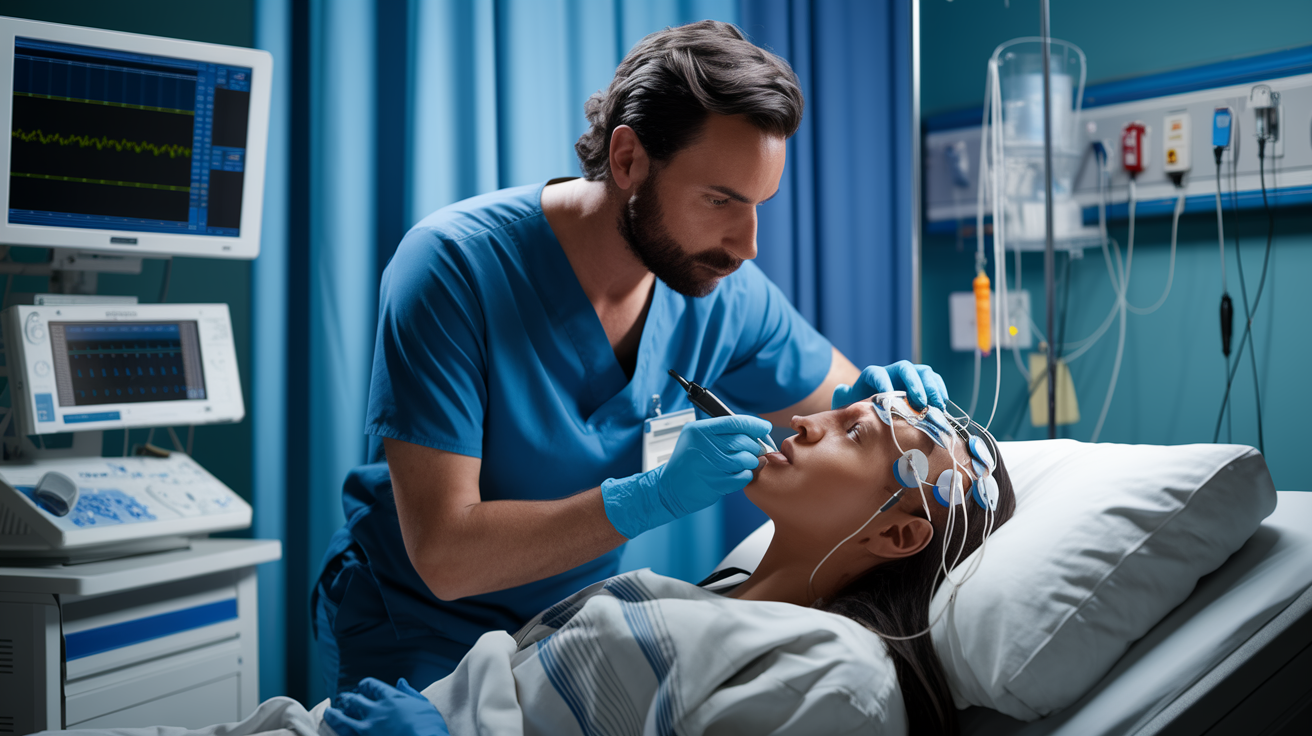
EEG Technologists (Electroencephalographic Technologists) record electrical activity of the brain to help diagnose epilepsy, seizure disorders, sleep disorders, and other neurological conditions. They apply electrodes, operate recording equipment, and monitor patients during testing. This specialized field combines technical expertise with patient care and neurophysiology knowledge.
International EEG careers serve healthcare systems diagnosing neurological conditions worldwide. Epilepsy affects millions globally, and neurodiagnostic testing is essential for diagnosis and treatment. International experience offers exposure to different patient populations, equipment, and neurological care protocols.
This guide addresses insurance considerations for EEG Technologists working abroad across hospitals, neurology clinics, epilepsy centers, and sleep laboratories.
Coverage Needs for EEG Technologists
| Coverage Need | Why It Matters | Coverage Situation? |
|---|---|---|
| General health coverage | Professional health maintenance | Usually covered |
| Preventive care | Maintaining practice capability | Usually covered |
| Mental health support | Witnessing seizures, patient emergencies | Usually covered |
| Musculoskeletal care | Electrode application, patient positioning | Usually covered |
| Vision coverage | EEG waveform interpretation | Usually covered |
| Travel medical | Travel positions, relocations | Varies by plan |
Technical Nature
EEG work is primarily technical and patient-care focused. Electrode application requires fine motor skills and patient interaction. Monitoring recordings involves sustained attention to waveforms. The work involves moderate physical demands and significant technical precision.
Working with neurological patients creates unique considerations. Seizures may occur during recordings. Managing patient safety during episodes is part of the role.
Emotional Demands
Witnessing seizures and neurological episodes creates emotional exposure. Patients with serious neurological conditions. Supporting anxious patients through testing. Mental health coverage supports sustainability.
Coverage by Work Setting
Hospital Neurodiagnostic Labs
Hospital neurology departments employ EEG technologists. Comprehensive healthcare benefits typically included. Full range of neurodiagnostic studies. Hospital work offers variety.
Epilepsy Monitoring Units
Specialized epilepsy centers perform long-term monitoring. Healthcare benefits typically included. Extended video-EEG monitoring. EMU work offers specialized experience.
Outpatient Neurology Clinics
Neurology practices perform routine EEG studies. Benefits vary by practice size. Scheduled outpatient testing. Clinic work may offer regular hours.
Sleep Laboratories
Sleep centers employ technologists for polysomnography. Benefits vary by organization. Night shift work for sleep studies. Sleep lab work offers different schedule.
Travel Positions
Travel positions fill neurodiagnostic staffing gaps. Individual coverage essential for travelers. Location flexibility and variety. Travel work requires portable coverage.
Coverage for EEG Technologists
Compare international health plans designed for EEG Technologists working abroad across hospitals, epilepsy centers, and neurology clinics.
Compare EEG Tech PlansWe may earn a commission when you apply through our links. This does not affect our recommendations.
Credentials and Professional Recognition
Educational Pathway
Certificate, associate's, or bachelor's degree in neurodiagnostic technology. CAAHEP-accredited programs provide standardized training. Clinical rotations in EEG required. Education establishes professional foundation.
Certification
Registered EEG Technologist (R.EEG T.) from ABRET. National certification demonstrates competence. Many employers require or prefer ABRET credentials. Recertification through continuing education.
State Requirements
Most states don't require specific EEG technologist licensure. Requirements vary by state. Research requirements by location.
Advanced Certifications
Registered Polysomnographic Technologist (RPSGT) for sleep studies. Long-term monitoring specialization. Intraoperative neurophysiology (IONM) certification. Advanced training expands career options.
Occupational Health Considerations
Seizure Exposure
Patients may have seizures during recordings. Maintaining patient safety during episodes. Emotional impact of witnessing seizures. Training and support help manage this exposure.
Fine Motor Demands
Electrode application requires precision and dexterity. Repeated measurements and placement. Hand and finger strain possible. Ergonomic awareness supports longevity.
Sustained Attention
Monitoring EEG waveforms requires sustained focus. Identifying abnormalities in real-time. Alert for seizure onset during monitoring. Attention demands create fatigue.
Night Shift Work
Sleep lab work involves night shifts. Long-term monitoring requires overnight coverage. Circadian disruption with shift work. Schedule affects well-being.
Managing Work Demands
Study Duration
Routine EEGs typically 30-60 minutes. Ambulatory studies extend over days. Video-EEG monitoring continuous. Study type affects workload.
Electrode Application
Precise electrode placement following 10-20 system. Skin preparation and impedance checking. Patient cooperation important. Application quality affects study quality.
Technical Troubleshooting
Artifact identification and reduction. Equipment troubleshooting. Signal optimization. Technical problem-solving ongoing.
Documentation
Study documentation and observations. Technical impressions and event marking. Communication with neurologists. Documentation supports interpretation.
Career Considerations
International Opportunities
Epilepsy is a global condition requiring diagnosis worldwide. Neurodiagnostic services expanding internationally. Equipment vendors employ technologists. Coverage must accommodate international practice.
Career Paths
Clinical to supervisory and management progression. Intraoperative neurophysiology specialization. Sleep medicine focus. Education and training roles.
Credential Portability
ABRET credentials have varying international recognition. Technical skills transfer well. Additional requirements may apply abroad. Research destination requirements.
Career Longevity
EEG careers can continue long-term. Physical demands moderate. Shift work may affect long-term health. Career sustainability with work-life balance attention.
Frequently Asked Questions
I'm an EEG technologist considering international work. What should I know?
EEG technology is similar globally—the 10-20 system is international standard. Credential requirements vary by country. Epilepsy diagnosis is needed everywhere. Coverage should accommodate your practice location.
I'm doing travel neurodiagnostic work. How do I arrange coverage?
Travel EEG technologists need portable individual coverage. Agency assignments may or may not include benefits. International health insurance supports mobile work. Verify coverage before each assignment.
Witnessing seizures during recordings affects me. What support exists?
Witnessing seizures is part of EEG work and can be emotionally challenging. Mental health coverage should be prioritized. Training helps manage seizure situations. Peer support and professional counseling help.
Night shift work in the sleep lab is affecting my health. What options exist?
Shift work affects circadian rhythms and health. Coverage should support your health needs. Consider career paths that don't require night shifts. Health-focused scheduling practices help.
Will my R.EEG T. certification transfer internationally?
ABRET credentials have varying international recognition. Technical skills transfer well globally. Some countries have their own credentialing. Research destination requirements.
Should I expand into polysomnography or IONM?
Additional certifications expand career options. RPSGT opens sleep medicine opportunities. IONM offers surgical monitoring specialization. Consider your interests and work-life preferences when choosing specialization.
Next Steps
Start by understanding your coverage situation based on work setting and location. Hospital employment typically includes benefits. Travel work and international positions may require individual coverage. International health insurance supports flexible practice locations.
EEG technologists provide essential neurodiagnostic testing for epilepsy and neurological conditions. Your coverage should support this important profession—addressing the technical and emotional demands, enabling international practice, and protecting your health for a sustained career.
Protect Your EEG Career
Compare international health plans designed for EEG Technologists working abroad across hospitals, epilepsy centers, and neurology clinics.
Compare Plans NowWe may earn a commission when you apply through our links. This does not affect our recommendations.