Written by
John Spencer
John Spencer is the founder of Compare Expat Plans, where he focuses on helping people compare health plans for life abroad. He emphasizes clear information, neutral analysis, and practical decision support.
You're paying for international health insurance while living abroad. Can you deduct those premiums? If your employer provides coverage, is it taxable income? What happens to your HSA when you leave the US? These questions matter for your finances.
Tax treatment of health insurance varies by your citizenship, where you live, how you get coverage, and your employment status. The rules that applied at home may not apply abroad—and new rules from your residence country may surprise you.
This guide covers tax considerations for expat health insurance, with particular focus on US citizens (who face unique worldwide taxation) while touching on general principles for other nationalities.
How Insurance Interacts with Taxes
Multiple Tax Jurisdictions
As an expat, you may have tax obligations in multiple places: your home country (especially if you're a US citizen), your country of residence, and possibly other countries where you have income or assets. Insurance treatment differs in each.
Deductibility of Premiums
In many countries, health insurance premiums are tax-deductible or receive favorable treatment. But the rules vary: who can deduct, how much, and what types of insurance qualify differ by jurisdiction.
Employer-Provided Coverage
When employers provide health insurance, it's often a tax-free benefit—you don't pay income tax on the value. But this varies: some countries tax employer benefits, others don't. Foreign employers may not provide the same tax treatment.
Tax-Advantaged Accounts
Health Savings Accounts (HSAs), Flexible Spending Accounts (FSAs), and similar vehicles have tax advantages in their home country. These advantages may not work for expats—especially HSAs for US citizens abroad.
This Is Not Tax Advice
This guide provides general information, not personalized tax advice. Tax situations vary. Consult a tax professional familiar with expat taxation for advice specific to your situation.
US Citizens Abroad
| Situation | US Tax Implications | Key Issue |
|---|---|---|
| Self-purchased intl insurance | May be deductible as medical | Must itemize, 7.5% AGI floor |
| Employer-paid coverage | Generally tax-free benefit | Normal benefit exclusion applies |
| Foreign employer coverage | May not have US tax advantages | Depends on employer structure |
| Self-employed abroad | SE health insurance deduction | Must have SE income |
| Local mandatory insurance | May qualify as creditable tax | Varies by country/treaty |
Worldwide Taxation
US citizens are taxed on worldwide income regardless of where they live. This makes US tax treatment of health insurance relevant even when living abroad. You must file US taxes annually and report foreign accounts.
Medical Expense Deduction
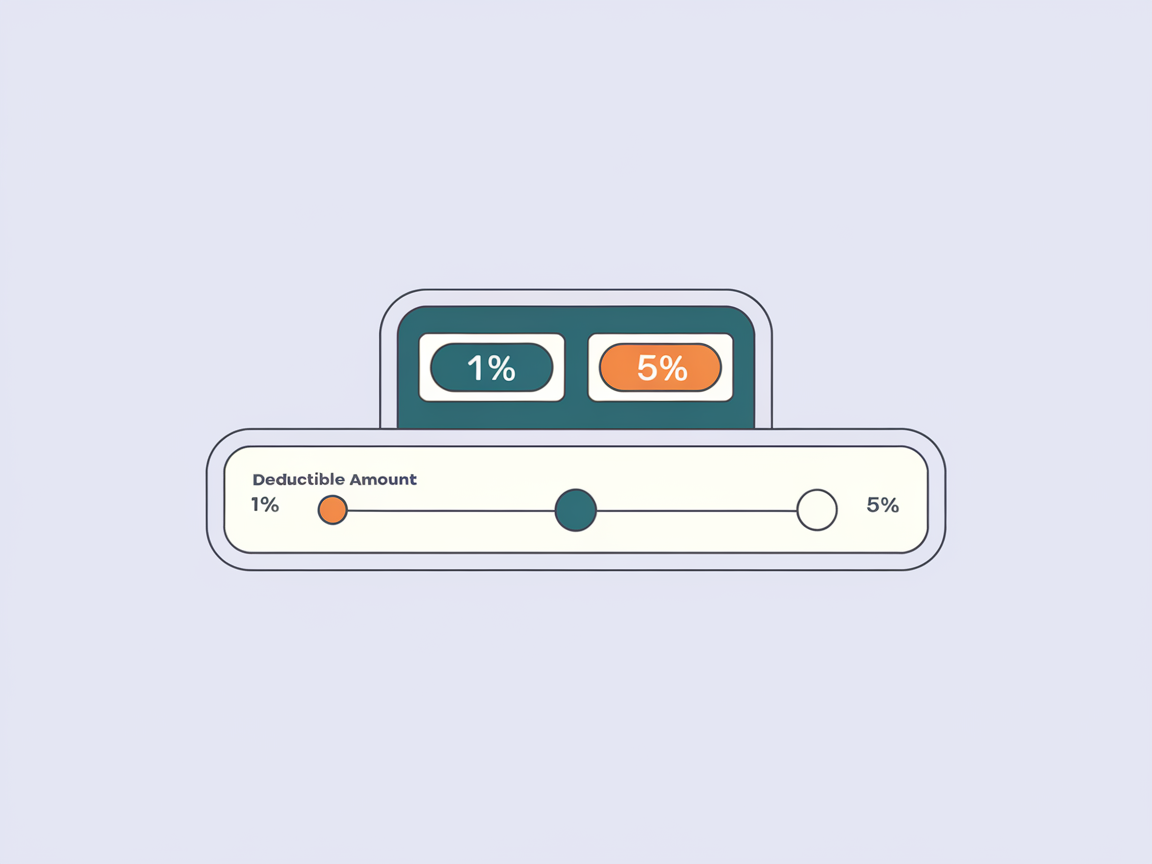
You can deduct medical expenses exceeding 7.5% of adjusted gross income if you itemize. Health insurance premiums count as medical expenses. But the floor means only significant medical costs provide benefit, and you lose the standard deduction.
Self-Employed Health Insurance Deduction
Self-employed individuals can deduct health insurance premiums as an adjustment to income (not itemized). This is more valuable—you get the deduction even taking the standard deduction. Must have self-employment income to use it.
ACA Individual Mandate
The federal individual mandate penalty is currently $0, but some states have their own mandates. Many international health insurance plans don't qualify as minimum essential coverage. This may affect state tax returns.
Foreign Tax Credits
Taxes paid to your residence country, including social security contributions that fund healthcare, may qualify for foreign tax credits. This prevents double taxation. Consult a tax professional about applying credits.
Employer-Paid Coverage
US Employer Coverage
If a US employer provides health insurance while you work abroad, it's typically a tax-free benefit—the value isn't included in your taxable income. This applies whether you're on domestic or international coverage.
Foreign Employer Coverage
When a foreign employer provides coverage, US tax treatment is less clear. The benefit may or may not qualify for the same exclusion as US employer coverage. Consult a tax professional for your specific situation.
Self-Employed with Your Own Business
If you run your own business abroad, you can typically deduct health insurance premiums as a self-employed health insurance deduction. The business pays; you get the tax benefit.
Expatriate Policies vs. Local Coverage
Tax treatment generally doesn't distinguish between international health insurance and local coverage—it's based on how you obtain it (employer, individual, self-employed) rather than the type of policy.
Imputed Income
If employer-provided benefits exceed certain thresholds, excess amounts may be taxable. This is rare for health insurance but can occur with very generous packages including family coverage.
Deducting Insurance Premiums
US Itemized Medical Deduction
To deduct premiums as medical expenses: you must itemize deductions (not take standard deduction), total medical expenses must exceed 7.5% of AGI, and you can only deduct the amount over the threshold. For many expats, this doesn't produce benefit.
Self-Employment Deduction
Self-employed individuals (including many freelancers and entrepreneurs abroad) can deduct 100% of health insurance premiums as an adjustment to income. This is "above the line"—you get it even with the standard deduction.
Requirements for SE Deduction
To use the self-employed deduction: you must have self-employment income, the plan must be in your name (or your business's name), you can't be eligible for employer coverage elsewhere, and the deduction can't exceed net SE income.
Residence Country Deductions
Your residence country may also allow deductions. Many European countries allow health insurance deductions. Check local tax rules—you may get benefits in your residence country as well as (or instead of) your home country.
Need International Coverage?
Compare international health insurance options. Find coverage that works for your expat life—then consult a tax professional about implications.
Compare PlansWe may earn a commission when you apply through our links. This does not affect our recommendations.
HSAs and FSAs Abroad
HSAs and Foreign Earned Income Exclusion
Here's a critical issue: if you use the Foreign Earned Income Exclusion (FEIE) to exclude income from US taxes, you may not be able to contribute to an HSA. HSA contributions require taxable compensation—excluded income doesn't qualify.
Keeping an Existing HSA
If you already have an HSA with funds, you can keep it—money doesn't expire. You can use those funds for qualified medical expenses. But contributing new money while using FEIE is problematic.
HSA-Eligible Plans Abroad
HSA contributions also require an HSA-eligible high-deductible health plan (HDHP). Most international health insurance doesn't qualify as an HDHP under IRS rules. Even if you could contribute, your plan may not be eligible.
FSAs Don't Work Abroad
Flexible Spending Accounts are employer-based—if you leave your US employer, you typically lose FSA access. Foreign employers don't offer US FSAs. Use remaining funds before leaving or lose them.
Alternatives Abroad
Without HSA/FSA options, expats typically pay medical costs directly and seek any available deductions. Some countries have their own tax-advantaged health savings vehicles—research options in your residence country.
Residence Country Considerations
Mandatory Insurance and Tax Treatment
Countries with mandatory insurance (Switzerland, Germany, Netherlands) typically give favorable tax treatment to premiums. Required contributions may be deductible or made pre-tax.
Social Security and Healthcare
In many countries, social security contributions fund healthcare. You pay into the system through payroll taxes; healthcare is "included." These contributions may be deductible or give rise to tax credits in your home country.
Tax Relief for Private Insurance
Countries like Ireland offer tax relief on private health insurance premiums. Germany allows insurance deductions. Research specific rules in your residence country—you may have local tax benefits.
Double Taxation Prevention
Tax treaties between countries help prevent double taxation. Taxes paid in your residence country, including healthcare-related taxes, may produce credits against home country tax. Treaties vary by country pair.
Reporting Requirements
US Reporting for US Citizens
US citizens must file annual tax returns regardless of residence. Report worldwide income, claim relevant deductions (including insurance if applicable), and report foreign accounts (FBAR) if total value exceeds $10,000.
FATCA and Insurance
Health insurance policies aren't typically considered financial accounts for FATCA/FBAR reporting. But if your policy has investment or cash-value components, reporting may be required. Standard health insurance usually isn't affected.
Form 1095 Issues
US employers issue Form 1095 for health coverage reporting. International insurers don't. If asked about health coverage on your return, international insurance typically doesn't qualify as minimum essential coverage—answer accordingly.
State Requirements
Some US states (California, Massachusetts, others) have individual mandates. Depending on your state ties, you may need to report coverage status. International insurance may or may not satisfy state requirements.
Tax-Efficient Planning
Choose Your Structure Wisely
How you earn income and obtain insurance affects tax treatment. Self-employment with SE health insurance deduction may be more advantageous than W-2 employment without the same benefit. Structure matters.
Consider Employer-Provided Coverage
If you have a choice between employer-provided coverage (tax-free) and buying your own (possibly no tax benefit), employer coverage may be more tax-efficient even if the policy is similar.
Document Everything
Keep records of: all insurance premiums paid, how they were paid (employer, individual, business), coverage periods, and any forms received. Documentation supports deductions and addresses audits.
Work with Professionals
Expat taxation is complex. Work with a tax professional who understands both US taxation and your residence country rules. The cost of professional advice is often offset by savings and avoided problems.
FEIE vs. Foreign Tax Credit Decision
The choice between FEIE and foreign tax credit affects many things including HSA eligibility. Consider all implications—not just the immediate tax savings—when choosing your approach.
Frequently Asked Questions
Can I deduct international health insurance premiums?
Possibly. If self-employed, yes—as the SE health insurance deduction. As an employee, only if you itemize and exceed the 7.5% AGI floor. Consult a tax professional for your situation.
Is employer-provided international coverage taxable?
Generally no—employer health insurance is usually a tax-free benefit. This typically applies to international coverage too. Foreign employer situations may differ.
Can I contribute to an HSA while abroad?
If using FEIE, likely no—excluded income doesn't qualify for HSA contributions. Even without FEIE, international insurance usually isn't HSA-eligible. Existing HSA funds remain usable.
Do I need to report health insurance to the IRS?
Federal individual mandate penalty is currently $0, so minimal direct reporting is required. State requirements vary. Health insurance policies aren't typically reportable as foreign accounts.
Does my residence country give tax benefits for insurance?
Many do—through deductions, tax relief, or pre-tax contributions. Research specific rules in your residence country. Benefits vary widely.
Should I form a company to get better insurance tax treatment?
Business structure affects tax treatment but shouldn't be the only consideration. Consult professionals about overall business and tax implications—not just insurance treatment.
Insurance + Taxes: The Full Picture
Health insurance is primarily about protecting your health—but as an expat, the financial picture includes tax implications. Understanding how insurance interacts with your tax situation in multiple countries helps you make informed decisions.
For US citizens, worldwide taxation creates complexity. HSAs may not work abroad. Deductions depend on employment status. Foreign tax credits may offset residence country obligations.
Get proper coverage first—that's the priority. Then work with tax professionals to optimize how you structure and pay for that coverage. Don't let taxes drive medical decisions, but don't ignore the implications either.