Written by
John Spencer
John Spencer is the founder of Compare Expat Plans, where he focuses on helping people compare health plans for life abroad. He emphasizes clear information, neutral analysis, and practical decision support.
You've moved abroad, and you need health insurance. You could buy an international plan that works anywhere in the world—or you could get local insurance in your new country, often at a fraction of the price. Which should you choose?
This isn't a simple question with one right answer. The best choice depends on your circumstances: how long you're staying, whether you'll move again, your health status, your budget, and the healthcare quality in your specific country.
Many expats agonize over this decision, and understandably so. The wrong choice can leave you either overpaying for coverage you don't need, or underinsured when you need care most. This guide helps you think through the trade-offs clearly.
We'll explore both options honestly—neither is universally better. International insurance offers flexibility and portability. Local insurance offers affordability and integration. Understanding when each shines helps you make the right call.
The Core Difference
At the most basic level, the difference is geographic scope. International health insurance covers you across multiple countries or worldwide. Local health insurance covers you only in one specific country.
But the implications go far beyond geography. These are fundamentally different products designed for different situations, with different pricing models, different networks, and different assumptions about who you are and what you need.
International Insurance Assumes:
- You might move countries or travel frequently
- You want access to private healthcare globally
- You may need or want care in your home country
- You value English-language service and global standards
- You're willing to pay premium prices for flexibility
Local Insurance Assumes:
- You're settled in one country for the foreseeable future
- You'll use the local healthcare system
- You're comfortable navigating care in local language/culture
- You want affordable coverage for where you actually live
- You don't need evacuation or home country coverage
Neither assumption is wrong—they're just different. The question is which set of assumptions matches your life. If you're a digital nomad moving every few months, local insurance makes no sense. If you've settled permanently in Spain, international insurance might be overkill.
Understanding International Health Insurance
What It Is
International health insurance (also called global health insurance or expat insurance) is designed for people who live outside their home country and want comprehensive coverage that works across borders.
These plans are offered by global insurers like Cigna, BUPA, Allianz, and Aetna. They're priced based on your age, coverage level, and area of coverage—not based on any single country's healthcare costs.
Key Features
- Worldwide or regional coverage — Use your insurance in any covered country
- Private hospital networks — Direct billing at thousands of hospitals globally
- Medical evacuation — Transport to appropriate care if needed
- Home country coverage — Often includes visits or extended stays home
- Lifetime renewal — Coverage continues regardless of health changes (with most plans)
- English service — Claims, support, and documentation in English
Typical Costs
International insurance is expensive compared to local options. Expect to pay $200-500/month for basic coverage, $400-800/month for comprehensive plans, and $800+/month for premium plans with US coverage.
These costs increase with age. A plan costing $300/month at 35 might cost $600/month at 55 and $1,200/month at 70. Factor this trajectory into long-term planning.
Best For
- People who move between countries regularly
- Those who want the security of global coverage
- Expats in countries with poor local healthcare
- Anyone who values English-language service
- Those who may need evacuation coverage
Understanding Local Health Insurance
What It Is
Local health insurance means coverage purchased in and for your country of residence. This could be private insurance from local companies, participation in public healthcare systems, or hybrid arrangements.
Every country's local options are different. In Germany, you might join a statutory health fund. In Thailand, you might buy from a local insurer like AIA or Allianz Thailand. In Spain, you might join the public system through the Convenio Especial.
Key Features
- Country-specific coverage — Only works in that country
- Local hospital networks — Integrated with the local healthcare system
- Lower premiums — Priced for local market, not global standards
- Local language — Service and documents in local language
- Sometimes guaranteed issue — Public systems may accept everyone
- No evacuation — You're expected to use local facilities
Typical Costs
Local insurance costs vary enormously by country. In Mexico, decent private coverage might cost $100-200/month. In Germany, statutory insurance is ~14% of income. In Thailand, good local plans run $150-300/month.
Public healthcare options are often even cheaper. Spain's Convenio Especial costs €60-160/month depending on age. France's system is contribution-based. Some countries offer free or nearly-free care to residents.
Best For
- People settled long-term in one country
- Budget-conscious expats
- Those comfortable with local healthcare systems
- Expats in countries with excellent local care
- Anyone who doesn't need evacuation or home country coverage
Side-by-Side Comparison
| Factor | International Insurance | Local Insurance |
|---|---|---|
| Geographic coverage | Worldwide or multi-region | Single country only |
| Portability | Moves with you | Ends when you leave |
| Language | English + major languages | Local language primarily |
| Hospital networks | Private hospitals globally | Local hospitals (public + private) |
| Evacuation coverage | Usually included | Rarely included |
| Home country coverage | Often included | Not applicable |
| Cost | Higher ($200-800+/month) | Lower ($50-300/month typically) |
| Pre-existing conditions | Exclusions common | Varies; some guaranteed issue |
The table tells the story clearly: international insurance offers flexibility and portability at higher cost. Local insurance offers affordability and integration at the expense of portability.
Notice that neither option is superior across all dimensions. International insurance isn't "better"—it's different. The right choice depends on which factors matter most to you and your specific situation.
Cost differences can be substantial. An expat in Portugal might pay €100/month for local private insurance versus $500/month for international coverage. That's €4,800/year in savings—meaningful money for most people.
But if that same expat develops a serious condition and wants treatment in London or their home country, the local insurance provides nothing. The international plan's higher cost buys options the local plan simply doesn't offer.
Exploring Your Options?
International health insurance gives you flexibility and global coverage. Compare plans from top providers to find the right balance of coverage and cost for your situation.
Compare International PlansWe may earn a commission when you apply through our links. This does not affect our recommendations.
When to Choose International Insurance
You Move Frequently
If you're a digital nomad, work on international assignments, or simply don't know where you'll be in 2-3 years, international insurance is the obvious choice. Local insurance ends when you leave; international coverage moves with you.
The continuity benefit matters enormously. Conditions you develop while insured remain covered when you move countries. With local insurance, you'd need to reapply in each new country—potentially facing exclusions for conditions developed elsewhere.
Local Healthcare Is Poor
Some countries have excellent local healthcare (Germany, Japan, France). Others have significant limitations (Cambodia, Myanmar, many developing nations). If you're in a country where you wouldn't trust local hospitals with a serious condition, international insurance with evacuation coverage is essential.
Even in countries with decent healthcare, international insurance gives you options. You can choose to use local facilities for routine care but fly to Singapore or London for complex surgery.
You Want Home Country Access
Many expats return home periodically—visiting family, handling business, or simply taking extended breaks. International insurance typically covers you during these visits. Local insurance doesn't apply outside your residence country.
If you might want or need treatment in your home country—for a condition you trust home doctors with, or to be near family during recovery—international coverage provides that option.
Pre-Existing Condition Continuity
If you have conditions that would be excluded by new insurers, maintaining continuous international coverage preserves your coverage for those conditions. Switching to local insurance might mean those conditions become uninsured.
When to Choose Local Insurance
You're Settled Long-Term
If you've bought property, established a business, or otherwise committed to one country for the long haul, local insurance makes increasing sense. You're not paying for global flexibility you won't use.
Many retirees fall into this category. They've chosen their retirement destination, they're not going anywhere, and they're comfortable using local healthcare. Why pay extra for worldwide coverage they'll never use?
Excellent Local Healthcare
Some countries offer healthcare as good as anywhere in the world. If you're in France, Germany, Spain, Japan, or similar countries with excellent medical systems, there's less reason to pay for international coverage.
The value proposition of international insurance is access to quality care. If quality care is already available locally at lower cost, that value proposition weakens considerably.
Budget Constraints
Money matters. If the difference between local and international insurance is $400/month, that's $4,800/year—nearly $50,000 over a decade. For many expats, especially retirees on fixed incomes, that money is better deployed elsewhere.
A combination of local insurance plus savings for emergencies might provide better overall financial security than expensive international coverage that strains your monthly budget.
Public System Eligibility
If you're eligible for a good public healthcare system, it often makes sense to use it. Countries like Spain, France, and the UK offer quality care to legal residents at low or no cost. Paying for private international coverage on top of this might be unnecessary.
The Hybrid Approach
You don't have to choose one or the other. Many savvy expats combine local and international coverage to get the best of both worlds—comprehensive protection at reasonable cost.
Strategy 1: Local Primary + International Catastrophic
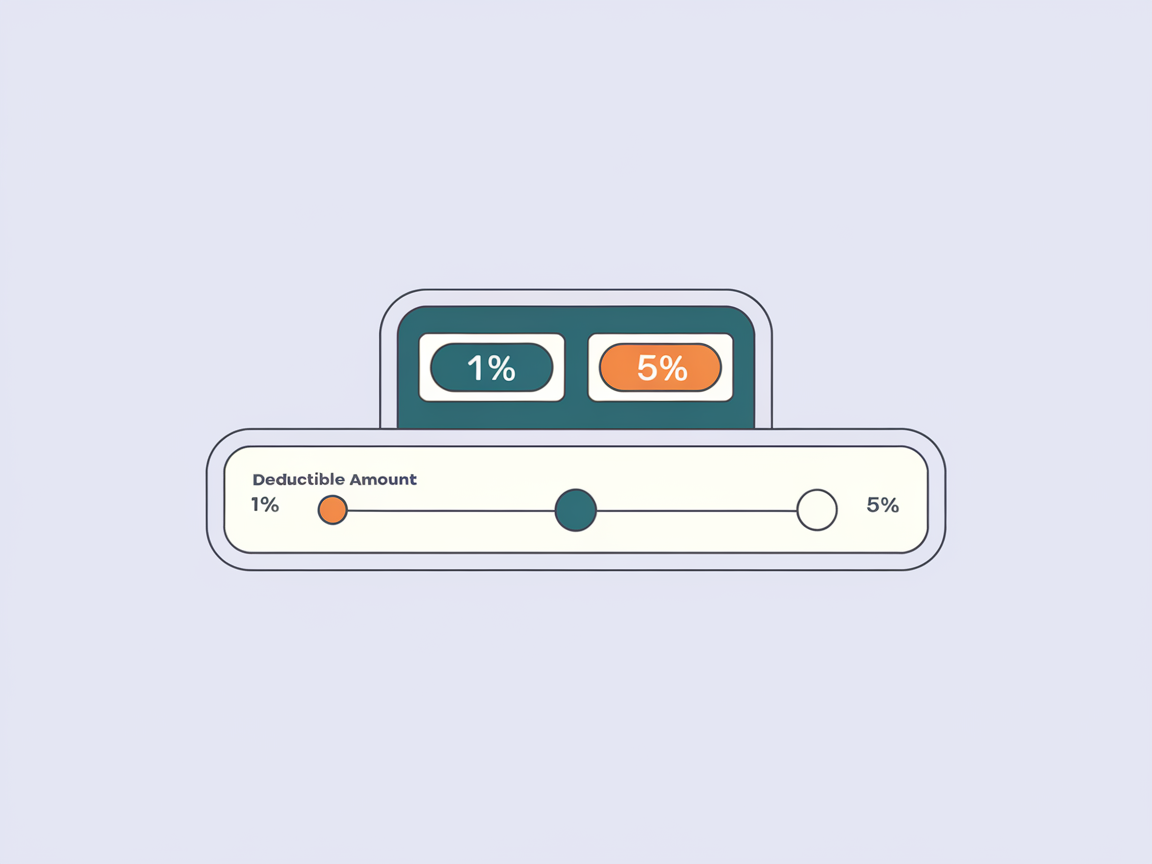
Use local insurance for routine care and smaller expenses. Maintain a high-deductible international plan for major events, evacuation, and home country coverage. The international plan costs less because the high deductible reduces claims.
Example: A $5,000 deductible international plan might cost $150/month instead of $400/month. Combined with local coverage at $100/month, you're fully protected for $250/month total with excellent catastrophic coverage.
Strategy 2: Public System + International Top-Up
Enroll in your residence country's public healthcare for basic coverage. Add a mid-tier international plan for private care access, evacuation, and home country coverage. The public system handles routine needs; international handles everything else.
Strategy 3: International for Now, Local Later
If you're unsure whether you'll stay long-term, start with international coverage that protects your mobility. Once you've committed to a country, transition to local coverage. Just be aware of pre-existing condition implications.
This approach preserves flexibility while you're deciding, then captures savings once you've committed. The key is making the transition before you develop conditions that would be excluded by new insurers.
Country-Specific Considerations
Countries Where Local Often Makes Sense
- Spain — Excellent public system (Convenio Especial available), quality private options
- France — World-class healthcare, PUMA coverage for residents
- Germany — Mandatory insurance system with good statutory options
- Portugal — Affordable private insurance, decent public system
- Japan — Excellent healthcare, mandatory national insurance
- Costa Rica — Mandatory CAJA system provides solid coverage
Countries Where International Is Usually Better
- Cambodia — Limited local healthcare; Bangkok evacuation essential
- Indonesia (outside Java/Bali) — Variable quality; Singapore evacuation valuable
- Much of Africa — Limited facilities in many areas
- Small island nations — Limited local capacity for serious conditions
- Countries with unstable systems — Political/economic instability affects healthcare
Countries Where It Depends
- Thailand — Excellent private hospitals in Bangkok; international might be overkill if you're near them
- Mexico — Good private care in major cities; more variable elsewhere
- UAE — Mandatory local insurance required; international can supplement
- Malaysia — Quality varies; MM2H has specific insurance requirements
Frequently Asked Questions
Can I switch from international to local insurance later?
Yes, but with caveats. Conditions you developed while on international insurance become pre-existing for local insurers. Some local insurers exclude them; others have waiting periods. Evaluate what conditions you've developed and how local insurers would handle them before switching.
Will local insurance cover emergencies when I travel?
Usually not, or only minimally. Most local insurance covers care only in that country. For travel, you'd need separate travel insurance. International insurance, by contrast, covers you wherever you are within your coverage area.
Is local insurance good enough for serious conditions?
It depends entirely on where you live. In Germany or Japan, local insurance provides access to world-class care. In developing countries, local insurance covers local facilities—which might not be adequate for complex conditions. Know your country's healthcare capabilities.
What if I need care that's not available in my country?
With local insurance, you pay out of pocket or do without. International insurance typically covers treatment abroad when medically necessary and not available locally. This is one of the biggest advantages of international coverage.
Can I have both local and international insurance?
Yes, and many expats do. The plans don't conflict—you can use whichever is more advantageous for any given situation. Just be sure to understand coordination of benefits if both might cover the same treatment.
What about visa requirements for insurance?
Some visas mandate specific insurance types. Schengen visas require €30,000 coverage. Thailand retirement visas have specific requirements. Always verify visa requirements—your choice might be constrained regardless of what makes financial sense.
Making Your Decision
There's no universal right answer to the local vs. international question. The right choice depends on your specific situation: where you live, how long you're staying, how often you move, what healthcare is available, and what you can afford.
If you're unsure, lean toward international coverage initially—especially if you're new to expat life. It preserves your options while you figure out whether your current country is really home. You can always transition to local coverage later.
Whatever you choose, make an active decision based on your circumstances. Too many expats default to whatever's easiest without thinking through the implications. A little analysis now prevents expensive surprises later.
And remember: insurance is a tool, not a prison. Your choice today doesn't have to be your choice forever. As your life evolves, your insurance should evolve with it. Revisit this decision periodically and adjust as needed.