Written by
John Spencer
John Spencer is the founder of Compare Expat Plans, where he focuses on helping people compare health plans for life abroad. He emphasizes clear information, neutral analysis, and practical decision support.
You're moving abroad, and you need health insurance. A quick search reveals two categories: travel medical insurance at $50-100/month, and international health insurance at $300-500/month. The cheaper option is tempting—but is it enough?
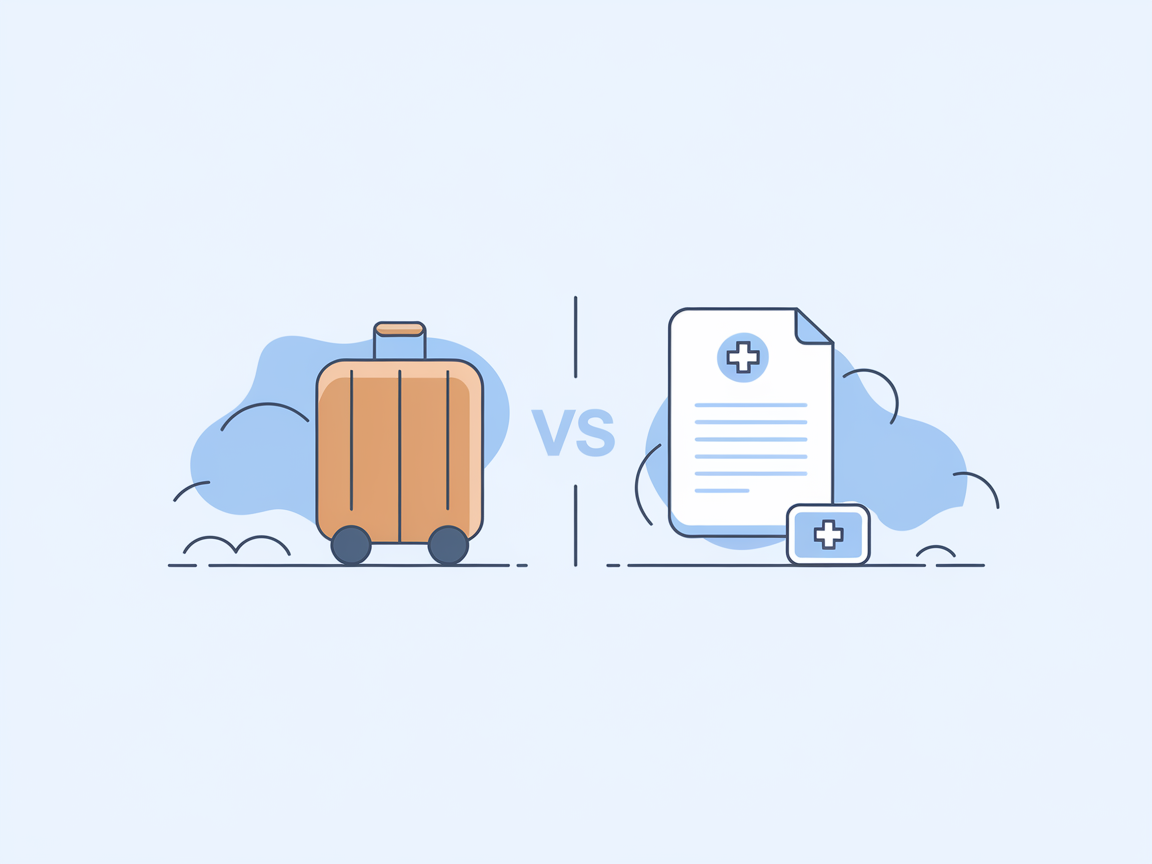
These two products serve fundamentally different purposes. Travel medical insurance is designed for travelers—temporary coverage for emergencies while you're away from home. International health insurance (often called expat insurance) is designed for people building lives abroad—comprehensive coverage replacing home-country insurance.
Choosing wrong can leave you underinsured or overpaying. This guide explains the real differences, when each makes sense, and how to decide which fits your situation. The answer depends on your timeline, healthcare needs, and whether abroad is a destination or your new home.
The Fundamental Difference
Travel Insurance: Emergency Safety Net
Travel medical insurance is designed to get you through unexpected emergencies while away from home. It assumes you have a "home" with primary healthcare coverage, and you're temporarily traveling. Its job is to handle accidents, sudden illness, and emergencies until you can return home.
It's not meant to be your primary healthcare. It doesn't cover routine checkups, ongoing treatment, or managing chronic conditions. It's a safety net for things that go wrong, not a healthcare system replacement.
Expat Insurance: Primary Healthcare
International health insurance is designed to be your actual health coverage—comprehensive care including preventive checkups, specialist visits, prescriptions, and ongoing treatment. It assumes abroad is your home and you need full healthcare access there.
It replaces home-country insurance rather than supplementing it. You're not "away from home" needing emergency backup—you've relocated and need proper healthcare where you now live.
The Mindset Difference
Ask yourself: Am I a traveler who happens to be abroad for an extended period, or have I moved abroad and need healthcare in my new country? The answer clarifies which product you need. Travelers need travel insurance. Expats need expat insurance.
Travel Medical Insurance Explained
What It Covers
Emergency room visits and hospital stays. Urgent care for sudden illness. Accidents and injuries. Emergency medical evacuation. Emergency dental (usually limited). Some plans include emergency prescription coverage.
The key word is "emergency." Coverage kicks in when something unexpected and urgent happens. A broken leg, food poisoning, sudden illness requiring hospitalization—these are covered. Routine healthcare is not.
What It Doesn't Cover
Routine doctor visits and checkups. Pre-existing conditions (almost always excluded). Chronic disease management. Preventive care. Maternity (except emergency complications). Mental health (except acute psychiatric emergencies). Prescriptions for ongoing conditions.
If you can schedule it, it's probably not covered. Travel medical is for things that can't wait until you get home, not for managing your regular healthcare needs.
Typical Limitations
Policy maximums often lower than expat insurance ($50,000-250,000 vs. $1M+). Duration limits—most travel policies cap at 6-12 months, sometimes with gaps required between policies. Home country typically excluded. Must have home country as permanent residence.
Who It's Designed For
Backpackers on extended trips. Digital nomads moving frequently. Gap year travelers. Anyone on a defined trip with a return date. People with home country coverage who need supplemental protection while traveling.
Expat Health Insurance Explained
What It Covers
Everything a home-country health plan would cover: doctor visits, specialist consultations, diagnostic tests, hospitalizations, surgery, prescriptions, mental health, preventive care, maternity (after waiting period), chronic disease management.
Pre-existing conditions are typically covered after waiting periods (often 12-24 months) or immediately with medical underwriting. This is full health insurance, not emergency-only coverage.
Additional Features
Many expat plans include home country coverage—so you're covered when visiting family. Dental and vision often available as add-ons. Wellness benefits like health screenings. Mental health coverage including ongoing therapy. Maternity coverage including prenatal care, delivery, and newborn coverage.
How It Works
You're a member of the insurance plan, not just a policyholder for a trip. Annual premiums, deductibles, copays—the structure of normal health insurance. Renewable indefinitely as long as you pay premiums. Builds a relationship with the insurer for long-term coverage.
Who It's Designed For
Anyone living abroad long-term. Retirees who've relocated. Employees of international organizations. Remote workers who've made abroad their base. Families raising children overseas. Anyone who needs "real" health insurance, not just emergency coverage.
Ready for Proper Expat Coverage?
Compare comprehensive international health insurance plans designed for long-term living abroad. Find coverage that works as your primary healthcare.
Compare Expat PlansWe may earn a commission when you apply through our links. This does not affect our recommendations.
Side-by-Side Comparison
| Feature | Travel Medical | Expat Health Insurance |
|---|---|---|
| Coverage focus | Emergencies and urgent care | Comprehensive health needs |
| Routine care | Not covered | Included |
| Pre-existing conditions | Excluded | Covered after waiting period |
| Typical cost | $50-150/month | $200-600/month |
| Policy duration | 6-12 months max | Renewable indefinitely |
| Home country coverage | Often excluded | Usually included or optional |
Cost Difference Explained
Travel medical is cheaper because it covers less. It's betting you won't need anything beyond emergencies. Expat insurance is priced for people who will actually use healthcare—checkups, prescriptions, ongoing care. You're paying for comprehensive access, not just emergency backup.
Coverage Depth
Travel insurance has lower limits because emergencies, while expensive, are discrete events. Expat insurance needs higher limits because it covers ongoing care—the cumulative cost of being someone's primary insurance over years.
Renewability
Travel insurance is designed for temporary use—policies often can't be renewed past certain periods. Expat insurance is designed to be your insurance permanently—renewable as long as you want to maintain coverage.
When to Transition from Travel to Expat Insurance
The One-Year Mark
If you've been abroad for a year with no plans to return, you're not a traveler anymore—you're an expat. Continuing with travel insurance means you're underinsured for your actual situation. Time to upgrade to proper coverage.
When You Need Non-Emergency Care
The moment you need a routine checkup, ongoing prescription, or planned procedure, travel insurance fails you. If you're avoiding necessary care because your insurance won't cover it, you need better insurance, not less care.
When Pre-Existing Conditions Matter
Travel insurance excludes pre-existing conditions permanently. Expat insurance covers them after waiting periods. If you have ongoing health needs, expat insurance is the only path to coverage. The sooner you switch, the sooner waiting periods begin.
When You've Settled
Signed a long-term lease? Established local banking? Got a residence permit? These are signs you've settled, not traveled. Your insurance should reflect your actual life, not a temporary adventure that ended months ago.
Hybrid and In-Between Options
SafetyWing: Nomad vs. Remote Health
SafetyWing offers both product types. Nomad Insurance is travel medical for nomads—emergency coverage at $45-85/month. Remote Health is actual health insurance—comprehensive coverage at $200-300/month. Same company, fundamentally different products. Know which you're buying.
Travel Insurance with Upgrades
Some travel insurers offer add-ons for routine care or pre-existing conditions. These can bridge the gap for people in transition. But they're usually compromises—better than basic travel insurance, not as good as true expat coverage.
Local Insurance + Travel
In some countries, you can buy local health insurance if you have residency, then add travel coverage for trips elsewhere. This can be cost-effective if local options are good and affordable. Requires residency and understanding the local system.
Stacking Coverage
Some people maintain home country coverage (for visits home) plus local or travel coverage (for abroad). This can work but is complex and potentially expensive. Usually only makes sense if home country coverage is excellent and can't be easily replaced.
Common Mistakes
Using Travel Insurance Too Long
Staying on travel insurance because it's cheaper, even when you've clearly transitioned to living abroad. You're gambling that you won't need anything beyond emergencies. That gamble gets riskier the longer you're away and the older you get.
Not Understanding Exclusions
Assuming travel insurance covers more than it does. Reading "health insurance" in the marketing and expecting comprehensive coverage. The policy documents—not the marketing—tell you what's actually covered. Read them.
Ignoring Pre-Existing Conditions
Having a chronic condition and sticking with travel insurance because it's cheaper, even though it won't cover anything related to your condition. You're essentially uninsured for your most likely health needs.
Waiting Too Long to Switch
Expat insurance waiting periods for pre-existing conditions start when you enroll. Every month you delay switching is a month longer until full coverage. If you know you're staying, switch early.
Overpaying for Unnecessary Coverage
Buying expensive expat insurance when you're genuinely on a 3-month trip. If you're healthy, have home coverage, and are truly traveling temporarily, proper travel insurance is appropriate and affordable.
Which Is Right for You?
Scenario 1: Backpacker, 6-month Trip
You're young, healthy, and traveling for 6 months with a return ticket. You have parents' insurance or a home-country plan waiting. Travel medical insurance is appropriate. Get a solid policy with good emergency coverage and evacuation benefits.
Scenario 2: Digital Nomad, No Fixed Base
You work remotely, move every few months, and have no home country ties. This is long-term—indefinite, not a trip. You need expat insurance. Products like SafetyWing Remote Health or IMG Global are designed for this lifestyle.
Scenario 3: Retiree Relocating
You've sold your home, moved to Costa Rica or Portugal, and this is your life now. You need comprehensive expat insurance. At your age, "emergency only" is reckless. Routine care, chronic conditions, prescription coverage—you need it all.
Scenario 4: Remote Worker, 1-2 Years Abroad
You're working from Lisbon for your US company, planning to stay 1-2 years, then probably return. Gray area. If you're healthy with no pre-existing conditions, high-quality travel insurance might work for year one. But if you're staying beyond a year, transition to expat coverage.
Scenario 5: Family with Children
Kids need regular doctor visits, vaccinations, sick visits—routine pediatric care. Travel insurance won't cover any of this. Families abroad need family expat insurance, period. Children's healthcare isn't optional.
Frequently Asked Questions
Can I just keep renewing travel insurance indefinitely?
Some policies allow it, but you're still stuck with travel insurance limitations—no routine care, pre-existing condition exclusions, emergency focus. You can technically continue, but you're underinsured for long-term living. Eventually, something will happen that isn't an emergency, and you'll have no coverage.
What if I'm healthy and don't need routine care?
Today. Situations change. An annual checkup catches problems early. A minor issue becomes a chronic condition. You age. The question isn't whether you need care now—it's whether you'll need care during your time abroad. If you're staying long-term, eventually you will.
Is expat insurance worth 3-4x the cost?
If you need what it covers, yes. Expat insurance covers routine care you'll actually use, pre-existing conditions, comprehensive hospital care, maternity, mental health—things travel insurance excludes. You're not comparing equivalent products; you're comparing different products for different needs.
What happens if I need routine care on travel insurance?
You pay out of pocket. Travel insurance won't cover scheduled doctor visits, ongoing prescriptions, or planned procedures. If you need these and only have travel insurance, you're functionally uninsured for those needs.
Can I switch from travel to expat insurance anytime?
Yes, though you'll go through new underwriting for expat coverage. Pre-existing conditions will face waiting periods. The earlier you switch, the better—waiting periods start from enrollment, not from when you needed them to start.
What about visa requirements?
Many visa programs require "health insurance" but don't specify which type. Some accept travel medical; others require comprehensive coverage with minimum benefit levels. Check your specific visa requirements—they may make the decision for you.
Match Your Insurance to Your Life
The difference between travel and expat insurance reflects the difference between traveling and living abroad. Both are valid choices for different situations. Neither is wrong—but using the wrong one for your situation is a mistake.
Be honest about what you're doing. Are you traveling, or have you moved? Is abroad an adventure or your home? Is your "trip" actually your life now? Answer honestly, and the right insurance choice becomes clear.
If you're building a life abroad, invest in proper healthcare coverage. The cost difference between travel and expat insurance is the cost of being properly covered versus being underinsured. It's worth the premium.