
Written by
John Spencer
John Spencer is the founder of Compare Expat Plans, where he focuses on helping people compare health plans for life abroad. He emphasizes clear information, neutral analysis, and practical decision support.
Having a pre-existing condition doesn't mean you can't get international health insurance—but it does mean you need to be strategic. Whether you're managing diabetes, have a history of cancer, or take medication for a chronic condition, this guide will help you find coverage that actually works.
The international insurance market handles pre-existing conditions very differently from domestic markets. Some insurers will cover you fully, others will exclude specific conditions, and some may decline coverage entirely. Understanding your options upfront saves time, money, and frustration.
Understanding the Challenge
What Counts as Pre-Existing?
International insurers typically define pre-existing conditions as any medical condition that existed before your policy start date. This includes:
- Diagnosed conditions — Anything a doctor has formally identified, whether currently treated or not
- Symptoms under investigation — Even if you don't have a diagnosis yet
- Chronic conditions — Diabetes, hypertension, asthma, arthritis, thyroid disorders
- Mental health conditions — Depression, anxiety, PTSD, eating disorders
- Past conditions — Cancer in remission, previous surgeries, recovered injuries
- Medications — Any ongoing prescriptions, even for minor conditions
The "look-back period" varies by insurer—some look at the past 2 years, others at your entire medical history. Plans with shorter look-back periods may be easier to qualify for if your condition is well-controlled.
Why International Insurance Is Different
Unlike the ACA in the US or NHS in the UK, international health insurance operates in a largely unregulated market. Insurers can:
- Decline applications based on medical history
- Exclude specific conditions from coverage
- Charge higher premiums based on health status
- Impose waiting periods before covering certain conditions
However, this also means more flexibility—many insurers offer creative solutions that wouldn't exist in regulated markets.
Disclosure Requirements: What You Must Tell Insurers
Full disclosure isn't just ethically right—it's legally required and protects your coverage. Here's what you need to know:
Why Honesty Matters
- Claims can be denied — If you didn't disclose a condition that's later found in your medical records
- Policies can be voided — Insurers can cancel your entire policy for non-disclosure, leaving you uninsured
- No refunds — You may lose all premiums paid if the policy is voided for fraud
What to Disclose
When in doubt, disclose. Include:
- All current medications (prescription and regular over-the-counter)
- Any doctor visits in the look-back period
- Hospitalizations, surgeries, and procedures
- Mental health treatment or counseling
- Conditions you consider "minor" or "resolved"
- Family history if specifically asked
Medical Underwriting Process
Most international insurers use one of two approaches:
Full Medical Underwriting (FMU) — You complete a detailed health questionnaire, and the insurer reviews your history before issuing a policy. This is more thorough but gives you certainty about what's covered.
Moratorium Underwriting — No health questions upfront, but any condition you've had treatment for in the past 2-5 years is automatically excluded. Coverage may become available after you've been claim-free for a specified period.
Types of Coverage Available
Full Coverage (Including Pre-Existing Conditions)
Some insurers will cover your pre-existing conditions from day one, though typically at higher premiums. This is most common for:
- Well-controlled chronic conditions (stable diabetes, managed hypertension)
- Conditions in long-term remission (cancer-free for 5+ years)
- Minor conditions (allergies, mild asthma, treated hypothyroidism)
Coverage with Condition Exclusions
The insurer covers everything except your specific pre-existing condition. This is often the most practical option because:
- Premiums are usually standard or only slightly higher
- You're protected against new health issues and emergencies
- You can budget separately for managing your known condition
Coverage with Waiting Periods
Some insurers will cover pre-existing conditions after a waiting period (typically 12-24 months). This means:
- No coverage for the condition during the waiting period
- Full coverage after the period ends, assuming no claims
- You need alternative arrangements during the waiting period
Coverage with Loading (Higher Premiums)
Insurers may offer full coverage but "load" your premium—adding a percentage increase based on your risk profile. A 25-50% loading is common for moderate conditions; higher-risk conditions may see 100%+ loading.
Strategies That Work
1. Get Multiple Quotes
Different insurers assess risk differently. A condition that gets you declined by one insurer might be covered by another. Always get quotes from at least 3-5 insurers before making a decision.
2. Use a Specialist Broker
International health insurance brokers know which insurers are more accepting of specific conditions. A good broker can:
- Match you with insurers likely to accept your application
- Help you present your medical history in the best light
- Negotiate better terms on your behalf
- Save you from wasting time on applications that will be declined
3. Provide Comprehensive Documentation
Well-documented, controlled conditions are easier to insure. Before applying, gather:
- Recent lab results and test reports
- Letters from your doctors confirming condition stability
- Complete medication list with dosages
- Treatment history showing consistent management
4. Consider a Higher Deductible
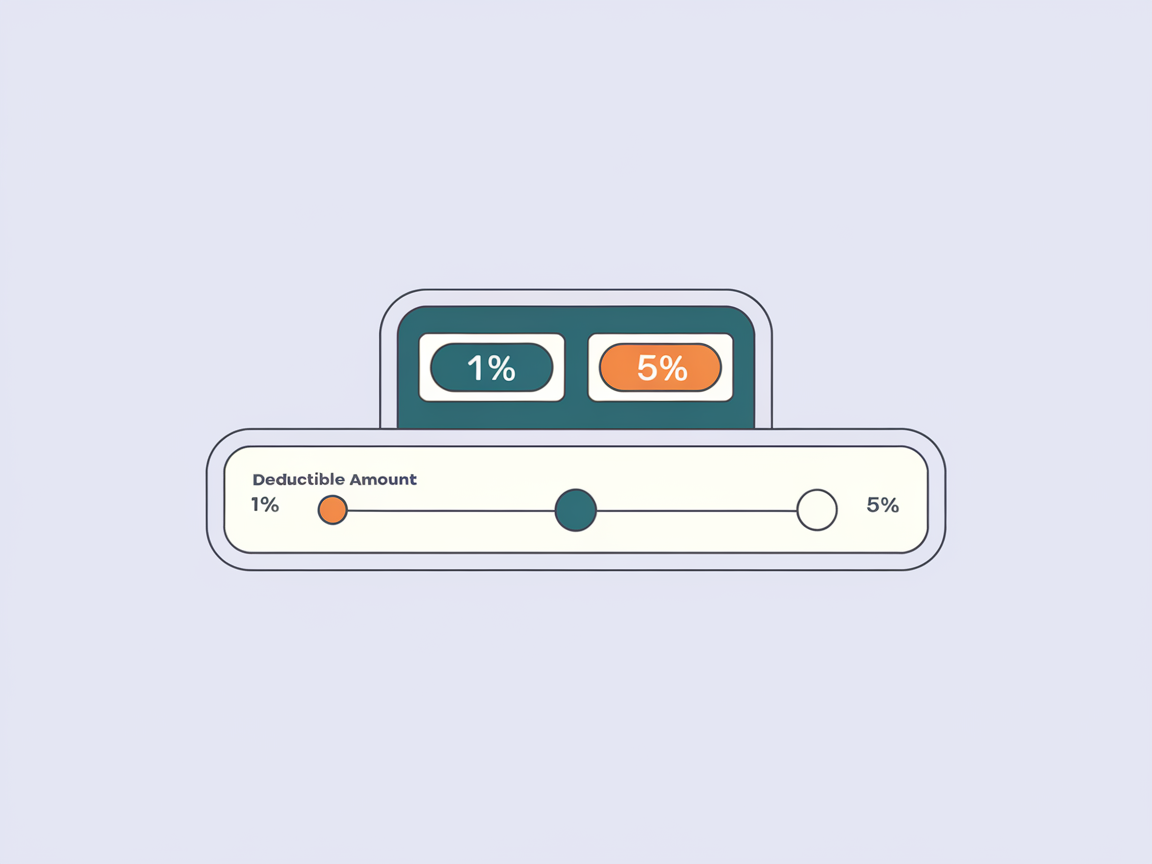
Accepting a higher deductible (excess) can make insurers more willing to cover your condition. If you're confident in managing routine costs, this trade-off can work well.
5. Look at Group Plans
Some group international health plans have guaranteed acceptance or more lenient underwriting. Options include:
- Employer group plans (if you're employed abroad)
- Expat association group plans
- Professional organization health schemes
6. Combine Insurance Types
You don't have to get everything from one policy. Consider:
- International policy for emergencies and new conditions
- Local insurance or out-of-pocket for pre-existing condition management
- Travel insurance for trip-specific coverage
Country-Specific Options
Your destination country may offer alternatives to private international insurance:
Countries with Accessible Public Healthcare
Some countries allow expats to buy into their public health systems, which typically don't exclude pre-existing conditions:
- Spain — Convenio especial allows legal residents to join the public system for ~€60/month
- France — PUMA (universal health coverage) available to legal residents after 3 months
- Portugal — SNS provides basic coverage to registered residents
- Thailand — Social Security system available to employed expats
- Mexico — IMSS voluntary membership (~$500/year) covers pre-existing conditions after waiting periods
Countries with Affordable Private Care
In some countries, paying out-of-pocket for pre-existing condition management is feasible:
- Mexico, Thailand, Vietnam — Quality private care at 20-30% of US prices
- Portugal, Spain — Private specialists often charge €50-100 per visit
- Malaysia, Philippines — Excellent private hospitals at reasonable costs
Medical Tourism Hubs
If you need regular specialist care, consider basing yourself somewhere known for medical excellence:
- Thailand (Bangkok) — Bumrungrad, Bangkok Hospital
- Malaysia (Kuala Lumpur, Penang) — Prince Court, Gleneagles
- Mexico (Mexico City, Guadalajara) — Hospital Angeles network
- Costa Rica (San José) — CIMA Hospital, Clinica Biblica
Managing Higher Costs
Pre-existing conditions often mean higher insurance costs. Here's how to manage them:
Understand What You're Paying For
- Premium loading — The percentage added to base premium for your condition
- Deductibles — Higher deductibles can offset premium increases
- Co-pays — Some plans reduce premiums in exchange for cost-sharing
Budget Separately for Known Costs
If your condition is excluded, budget for:
- Regular medications (often cheaper abroad than in US/UK)
- Routine monitoring appointments
- Annual specialist consultations
- Emergency fund for condition-related complications
Look for Condition-Management Programs
Some insurers offer chronic disease management programs that can reduce overall costs while keeping your condition well-controlled. These may include:
- Nurse helplines for condition-specific questions
- Medication delivery services
- Regular check-in calls
- Wellness incentives for staying healthy
Mistakes to Avoid
Don't Make These Errors
Hiding your condition
Non-disclosure will backfire. Insurers access international medical records, and claims are routinely investigated. Getting caught means policy cancellation and no refund.
Assuming you're uninsurable
Many people give up too soon. The international insurance market is large, and there's usually an option—you just need to find it.
Waiting until you're abroad
It's much harder to arrange insurance after you've moved. Start the process before you leave while you still have access to your medical records and doctors.
Forgetting mental health history
Past depression or anxiety counts as pre-existing. Many people forget to disclose this and face claim denials later.
Not reading exclusions carefully
Understand exactly what's excluded. An exclusion for "diabetes and related complications" is very different from "diabetes management only."
Letting coverage lapse
If you have a plan that covers your condition, don't let it lapse. Getting re-insured is harder than maintaining existing coverage.
Documentation You'll Need
Prepare these documents before applying for insurance:
Essential Documents
- Complete medical history summary — Dates of diagnosis, treatments, hospitalizations
- Current medication list — Drug names, dosages, prescribing doctor
- Recent test results — Lab work from the past 6-12 months
- Doctor's letter — Confirming current condition status and stability
- Treatment records — Showing consistent management and compliance
Helpful Additional Documents
- Specialist consultation notes
- Imaging results (if relevant)
- Pharmacy records showing medication compliance
- Wellness program participation records
Keep Copies of Everything
Before you leave your home country:
- Request complete medical records from all providers
- Get digital copies of imaging studies
- Ask for "patient portable" versions of lab results
- Store everything securely in cloud storage
We may earn a commission when you apply through our links. This does not affect our recommendations.
Frequently Asked Questions
Can I be denied insurance entirely for a pre-existing condition?
Yes, unlike regulated markets, international insurers can decline applications. However, outright denial is less common than exclusions or premium loading. Conditions that frequently lead to denial include recent cancer diagnosis, organ transplants requiring immunosuppression, and severe mental health conditions requiring hospitalization.
Will my condition ever be covered if it's initially excluded?
Possibly. Some insurers offer "moratorium" terms where excluded conditions become covered after 2 years without treatment or claims. Others may remove exclusions at renewal if your condition improves. Always ask about pathways to future coverage when purchasing a policy with exclusions.
Do I need to disclose conditions from my childhood?
It depends on the application questions. Some insurers only ask about the past 5-10 years; others ask about your entire history. Childhood conditions that are fully resolved and haven't required treatment in decades are typically not issues, but ongoing childhood-onset conditions (like Type 1 diabetes) must be disclosed.
What if my condition develops after I buy insurance?
Conditions that develop after your policy start date are covered as any other illness—they're not pre-existing. This is why maintaining continuous coverage is so important. Never let your policy lapse, as rejoining would reset your pre-existing condition status.
Can I use insurance from my home country while abroad?
Some domestic plans offer limited international coverage, but it's rarely adequate for expats. Emergency coverage abroad typically has caps, and routine care abroad usually isn't covered at all. Domestic plans also don't provide the international support services (translation, provider networks, medical evacuation) that expat-specific plans include.
Moving Forward
Having a pre-existing condition makes international health insurance more complicated, but not impossible. The key is starting early, being completely honest about your health history, and understanding all your options—from international insurance with coverage or exclusions to local healthcare systems and out-of-pocket strategies.
Many expats with chronic conditions successfully live abroad with appropriate coverage. With the right approach, you can too.