
Written by
John Spencer
John Spencer is the founder of Compare Expat Plans, where he focuses on helping people compare health plans for life abroad. He emphasizes clear information, neutral analysis, and practical decision support.
Missionaries, volunteers, and NGO workers often serve in challenging locations with limited healthcare. Getting the right insurance is especially important—and the options depend heavily on whether your organization provides coverage.
Types of Service Abroad
Your insurance needs vary by type and length of service:
Long-term Missionaries
Multi-year religious or humanitarian service.
- 2-10+ years abroad
- Often in developing countries
- Family may accompany
- Need comprehensive coverage
Short-term Mission Trips
1-4 week service trips.
- Often church-organized
- Group travel
- Travel medical usually sufficient
- May be covered under trip insurance
NGO / Humanitarian Workers
Professional aid and development work.
- Contract-based, often 1-3 years
- May work in conflict zones
- Organizations usually provide insurance
- Evacuation coverage critical
Peace Corps / Government Programs
Structured volunteer programs.
- Typically 2-year commitment
- Comprehensive coverage provided
- Support infrastructure in place
- Limited flexibility on insurance choice
Find Coverage for Your Service
Compare plans for missionaries and volunteers.
See Options →We may earn a commission when you apply through our links. This does not affect our recommendations.
Insurance by Scenario
Scenario 1: Organization Provides Insurance
Many mission agencies and NGOs provide health insurance. If yours does:
- Request the full policy document
- Understand coverage limits and exclusions
- Verify evacuation coverage (critical for remote locations)
- Check home country coverage for furloughs
- Consider supplementing if coverage has gaps
Scenario 2: Must Obtain Your Own
Smaller organizations or independent missionaries often need to arrange their own coverage:
- Budget insurance into support raising
- Choose comprehensive international health insurance
- Prioritize evacuation coverage
- Consider plans designed for missionaries
Scenario 3: Short-term Trip
For trips under 30 days, travel medical insurance usually suffices:
- SafetyWing or World Nomads work well
- Verify the trip organizer hasn't already included coverage
- Check activity coverage (construction, medical missions, etc.)
What to Look For
Key factors for missionary and volunteer insurance:
- Medical evacuation: Non-negotiable for remote locations. Should cover evacuation to appropriate medical facility AND home country if needed.
- Security evacuation: If serving in unstable regions, coverage for evacuation due to political unrest or violence.
- Repatriation of remains: Important but often overlooked coverage.
- Home country coverage: For furloughs, home assignments, and visits.
- Pre-existing conditions: How are existing health issues handled?
- Mental health: Mission work can be isolating and stressful—therapy coverage matters.
- Coverage for service activities: Some plans exclude "hazardous activities"—verify your work is covered.
Evacuation is Critical
Many missionary destinations have very limited healthcare. A medical evacuation flight from rural Africa or remote Asia can cost $100,000+. This is the single most important coverage element for service in developing regions.
Recommended Plans
These providers are commonly used by missionaries and volunteers:
| Provider | Type | Best For | From |
|---|---|---|---|
| IMG Global | Expat health | Long-term missionaries | $100/mo |
| Cigna Global | Expat health | Mission organizations | $140/mo |
| SafetyWing | Travel medical | Short-term volunteers | $45/mo |
| GeoBlue | Expat health | American missionaries | $150/mo |
| World Nomads | Travel medical | Volunteer trips | $60/mo |
For Long-term Missionaries
IMG Global offers good value for long-term coverage with flexible deductible options. Cigna Global provides comprehensive coverage and works well for mission organizations seeking group plans.
For American Missionaries
GeoBlue provides BCBS network access during furloughs in the US—valuable for those returning regularly.
For Short-term Volunteers
SafetyWing or World Nomads provide adequate coverage for trips under 6 months at budget-friendly prices.
Mission-Specific Providers
Several insurers specialize in missionary coverage:
- Brotherhood Mutual: Serves religious organizations and missionaries
- Good Neighbor Insurance: Specializes in missionary and volunteer coverage
- Servant Partners Insurance: Designed for Christian missionaries
Compare Missionary Insurance
Find coverage designed for service abroad.
Get Quotes →We may earn a commission when you apply through our links. This does not affect our recommendations.
Mission Organization Insurance
What to expect from different organization types:
| Organization Type | Typical Insurance Situation | Your Action |
|---|---|---|
| Large mission agencies | Provide group coverage | Evaluate adequacy, supplement if needed |
| Small mission agencies | May require you to obtain own | Purchase individual plan |
| NGOs (large) | Usually provide coverage | Verify scope and limits |
| NGOs (small) | Often no coverage | Purchase own coverage |
| Peace Corps | Comprehensive coverage provided | Understand what's included |
| Church-sponsored | Varies widely | Clarify before committing |
Evaluating Organization-Provided Insurance
If your organization provides coverage, ask:
- What's the maximum coverage amount?
- Is medical evacuation included? With what limits?
- Are pre-existing conditions covered?
- What about family members?
- Am I covered during home assignments/furloughs?
- What happens if I leave the organization?
- Is mental health treatment covered?
High-Risk Locations
Serving in challenging locations requires extra considerations:
Remote Areas
- Prioritize evacuation coverage with no geographic limits
- Verify the insurer has experience evacuating from your region
- Consider plans with 24/7 emergency coordination
- Have evacuation procedures documented and rehearsed
Conflict Zones / High-Risk Countries
- Many standard plans exclude "war zones" or have country exclusions
- Specialized providers (often through NGOs) cover high-risk areas
- Security evacuation coverage separate from medical evacuation
- Kidnap and ransom coverage may be relevant
Countries with Limited Healthcare
- Plan for evacuation to neighboring countries for serious care
- Identify the nearest quality hospital in advance
- Telemedicine access can help with minor issues
- Stock basic medical supplies
Fundraising for Insurance
For missionaries raising support, insurance is a legitimate and important budget item:
Including Insurance in Support
- Budget $100-200/month for individual coverage
- Family coverage may be $300-500/month
- Explain to supporters why it matters
- Some mission agencies include insurance in their required budget templates
Cost-Saving Strategies
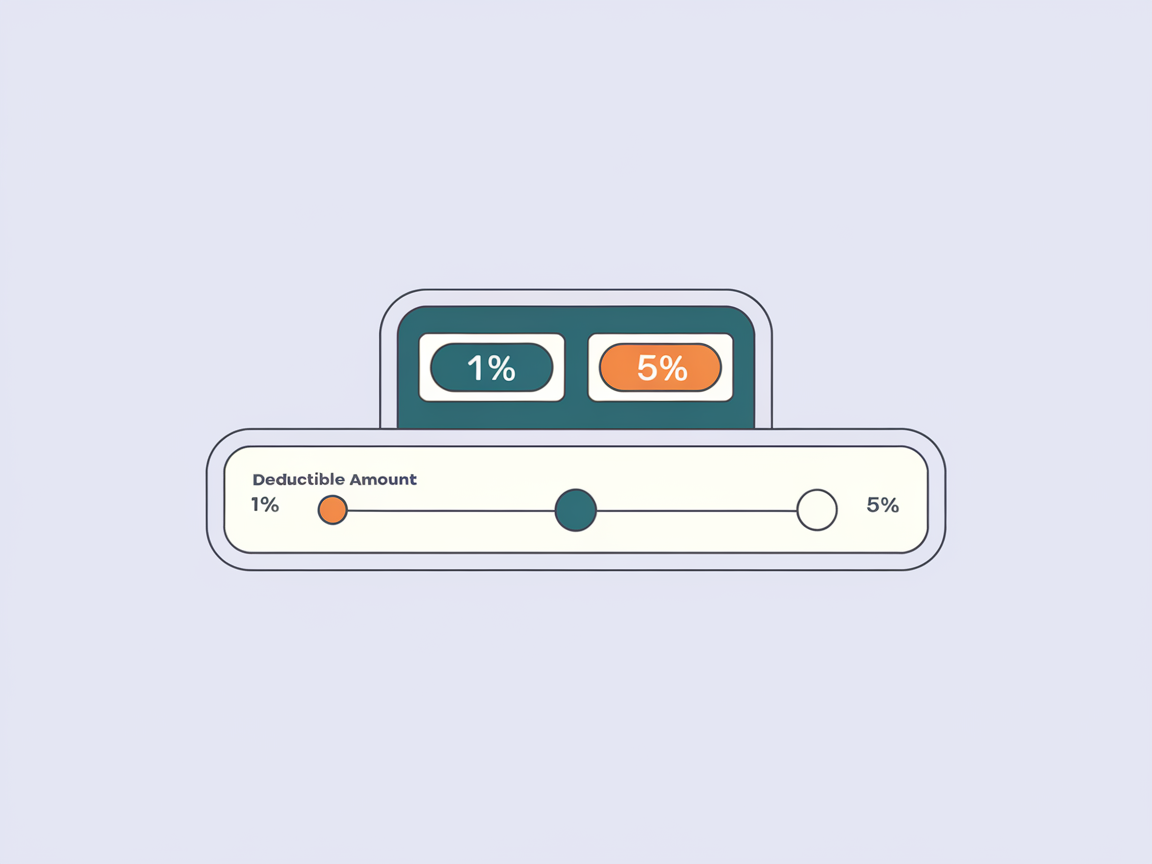
- Higher deductibles: $2,500-$5,000 deductibles lower premiums significantly
- Regional coverage: Excluding US/Canada reduces costs if you won't visit
- Group rates: If your organization has multiple missionaries, group plans may be cheaper
Common Questions
Does mission work count as a "hazardous activity"?
Usually not, but it depends on what you're doing. Standard missionary work (teaching, community development, church planting) is typically covered. Medical missions, construction work, or service in conflict zones may need verification or specific coverage.
What about insurance for nationals I'm working with?
Your personal insurance only covers you (and enrolled family). Some mission organizations maintain separate funds or insurance for local workers. This is an organizational decision, not individual coverage.
I'm only going for 2 weeks—do I really need insurance?
Yes. Medical emergencies don't respect trip length. A broken leg, appendicitis, or serious illness can happen on day 3 of a 2-week trip. At minimum, get travel medical insurance with evacuation coverage.
My church is organizing the trip—won't they have insurance?
Maybe. Ask specifically: "Is there health insurance for participants?" Church liability insurance typically doesn't cover participants' medical expenses. Clarify before assuming you're covered.
What if I have a pre-existing condition?
This is challenging for missionaries. Options include: moratorium-based plans (conditions covered after 2 years), full underwriting with possible acceptance, or mission-specific insurers who may be more accommodating. See our pre-existing conditions guide.
How do I get care in a country with limited healthcare?
Options include: local clinics for minor issues, evacuation to regional hospitals for serious issues, telemedicine for consultations, and planning trips to better-equipped areas for non-emergency care. Your insurer's assistance line can help coordinate.
Get Protected for Your Service
Compare plans for missionaries and volunteers.
Find My Plan →We may earn a commission when you apply through our links. This does not affect our recommendations.
Disclaimer: This guide is for informational purposes only. Insurance needs vary based on your organization, location, length of service, and personal circumstances. Verify coverage with your organization and insurers before beginning service abroad.