Written by
John Spencer
John Spencer is the founder of Compare Expat Plans, where he focuses on helping people compare health plans for life abroad. He emphasizes clear information, neutral analysis, and practical decision support.
Why Seniors Choose Fiji
Fiji offers tropical island living, exceptionally friendly people (famous Bula spirit), affordable costs, and English as official language. For those seeking Pacific paradise with lower costs than Hawaii or Australia, Fiji is increasingly popular despite limited healthcare infrastructure.
Suva offers capital city amenities and best hospitals. Nadi provides tourism infrastructure. The Coral Coast has expat communities. Denarau has resort-style living. Outer islands offer remote beauty but minimal healthcare. Most retirees choose Viti Levu (main island) for healthcare access.
Key Facts for Seniors
- Healthcare: Limited; serious cases require evacuation
- Language: English (official); Fijian; Hindi
- Cost of Living: FJ$2,500-5,000/month (~$1,100-2,200); affordable
- Climate: Tropical; warm year-round; cyclone season
- Character: Laid-back; friendly; island pace
- Retirement Visa: Available for retirees with income
Fiji Healthcare System
Fiji has limited healthcare—Colonial War Memorial Hospital in Suva is the main public hospital. Private options include Suva Private Hospital and Oceania Hospital. Basic care is available; complex procedures require evacuation to Australia or New Zealand. Medical tourism to Australia is common for serious conditions.
Public healthcare is subsidized but under-resourced. Private hospitals provide better service but limited specialties. Medevac coverage is essential—evacuation to Auckland or Sydney costs FJ$80,000+. No specialists for many conditions; preventive care and comprehensive insurance are critical.
Medevac Essential
Fiji cannot treat many serious conditions locally. Medical evacuation to Australia or New Zealand is common necessity. Ensure any insurance includes substantial medevac coverage (minimum $500,000 recommended). Air ambulance to Auckland is approximately 3 hours.
Visa Options for Seniors
Fiji has retirement-friendly visa options:
Investor Permit
For those investing FJ$250,000+ in Fiji. Leads to permanent residence. Popular for serious retirees.
Retirement Permit
For retirees with guaranteed income of FJ$40,000+ annually. Must be 45+ years old. Renewable annually; can lead to permanent residence.
Visitor Permit
4-month stay on arrival for many nationalities. Extensions possible. Good for exploring before committing.
Fiji Citizen Spouse
Spouses of Fiji citizens can obtain residence. Various pathways available.
Insurance Requirements
Insurance requirements for Fiji:
- Retirement permit: Health insurance required
- Practical necessity: International coverage essential
- Medevac: Critical component; minimum $500,000
- Australia/NZ coverage: For medical evacuation treatment
Insurance Strategy for Fiji
Comprehensive international insurance is non-negotiable in Fiji. Ensure coverage includes: substantial medevac ($500,000+), treatment in Australia/New Zealand, local private hospital coverage, and repatriation. Regional plans may lack adequate evacuation coverage.
Recommended Insurance Providers
For seniors in Fiji, robust evacuation coverage is essential:
| Provider | Max Entry Age | Renewal | From (65-69) | Fiji Fit |
|---|---|---|---|---|
| Cigna Global | 74 | Lifetime | FJ$550-785/mo | Excellent |
| BUPA Global | 79 | Lifetime | FJ$645-920/mo | Excellent |
| Allianz Care | 74 | Lifetime | FJ$495-705/mo | Very Good |
| Now Health | 74 | Lifetime | FJ$460-655/mo | Very Good |
| Pacific Cross | 70 | To 99 | FJ$320-460/mo | Regional |
Why These Providers Work for Fiji
- Cigna Global: Strong Pacific network, excellent medevac
- BUPA Global: Highest entry age (79), Australia/NZ coverage
- Pacific Cross: Regional specialist, good Pacific network
- Local options: Very limited; international preferred
Get Personalized Senior Quotes
Compare coverage with strong Pacific evacuation benefits.
Expected Insurance Costs
Insurance costs for Fiji reflect evacuation requirements:
| Expense | Monthly | Annual |
|---|---|---|
| International Insurance (65-69) | FJ$495-785 | FJ$5,940-9,420 |
| International Insurance (70-74) | FJ$680-1,050 | FJ$8,160-12,600 |
| International Insurance (75-79) | FJ$915-1,410 | FJ$10,980-16,920 |
| Local Private Hospital | FJ$200-400/day | Per incident |
| Medevac to Australia/NZ | N/A | FJ$80,000-150,000 |
Cost-Saving Strategies
- Never skimp on medevac: This is not where to save money
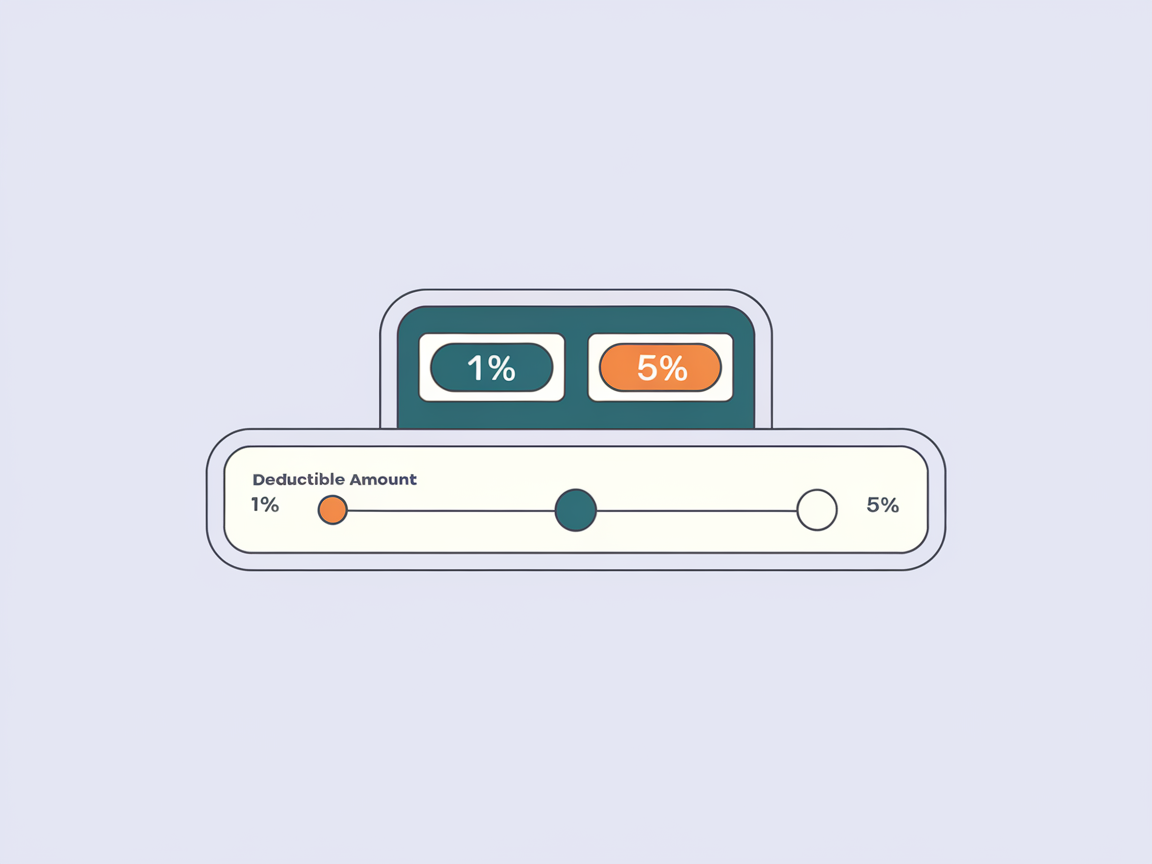
- Higher deductibles: Reduce premiums for routine care
- Preventive care: Stay healthy to avoid complex treatment needs
- Auckland trips: Some schedule routine checkups in NZ
Real-World Scenarios
Scenario 1: Australian Retiree, 68
Situation: A$4,000/month pension. Retirement permit. Coral Coast.
Solution: BUPA Global with Australia treatment rights and strong medevac.
Cost: ~FJ$750/month. Paradise living; evacuation security to home country.
Scenario 2: American Adventure Seeker, 71
Situation: $3,500/month pension. Investor permit. Suva area.
Solution: Cigna Global comprehensive with Pacific coverage.
Cost: ~FJ$850/month. Island lifestyle; global coverage for peace of mind.
Scenario 3: New Zealand Snowbird, 66
Situation: NZ$3,000/month pension. Split time Fiji/NZ. Nadi area.
Solution: Allianz Care with Pacific region coverage. NZ healthcare for home time.
Cost: ~FJ$550/month for Fiji periods. Best of both worlds; easy evacuation home.
Common Questions
Is Fiji healthcare really limited?
Yes—basic care is available but specialists are limited. No cardiac surgery, limited oncology, few advanced diagnostics. Serious conditions require evacuation to Australia or New Zealand. Plan accordingly; this is not a destination for those needing complex ongoing care.
How easy is it to get evacuated?
Straightforward with proper insurance—commercial flights to Auckland/Sydney several times daily. Air ambulance available within hours when needed. Fiji is approximately 3 hours to Auckland, 5 hours to Sydney. Insurance companies coordinate evacuation.
What about cyclone season?
November to April is cyclone season. Fiji experiences tropical cyclones regularly. Infrastructure can be damaged; medical facilities may be affected. Ensure insurance covers weather-related delays and evacuations. Some retirees leave during peak season.
Is Fiji safe for seniors?
Generally safe—Fiji is welcoming and crime is relatively low. Main risks are healthcare limitations and tropical conditions (heat, humidity). Be aware of tropical diseases, sun exposure, and food/water precautions. Common-sense safety applies.
Ready to Compare Options?
Get quotes from providers with strong Pacific coverage.
Disclaimer: This guide is for informational purposes only. Insurance requirements, visa regulations, and healthcare access rules change regularly. Always verify current requirements with Fiji authorities and consult with a licensed insurance professional.