Written by
John Spencer
John Spencer is the founder of Compare Expat Plans, where he focuses on helping people compare health plans for life abroad. He emphasizes clear information, neutral analysis, and practical decision support.
Overview
Switzerland is home to some of the world's top universities—ETH Zurich and EPFL consistently rank among the global best for science and engineering. Despite Switzerland's reputation as expensive, public university tuition is remarkably affordable (CHF 500-2,000/semester). The challenge isn't tuition—it's living costs.
Switzerland requires mandatory health insurance (LAMal/KVG) for all residents, including students. International insurance is NOT accepted—you must have Swiss-compliant coverage within 3 months of arrival. Student rates are approximately CHF 80-150/month, which is actually reasonable by Swiss standards.
Quick Facts: Switzerland Student Visa
- • Permit Type: Residence Permit B (Student)
- • Duration: 1 year, renewable
- • Health Insurance: LAMal mandatory (CHF 80-150/month)
- • Work Rights: 15 hrs/week during semester
- • Tuition: CHF 500-2,000/semester (public universities)
- • Processing: 8-12 weeks
- • Post-Study: 6-month extension possible (limited)
Quick Decision Guide
✓ Switzerland Is a Great Fit If You:
- • Want world-class education (ETH, EPFL, etc.)
- • Can afford high living costs (CHF 2,000+/month)
- • Are targeting science, engineering, or finance
- • Appreciate safety, efficiency, and nature
- • Want multilingual exposure (German/French/Italian)
- • Don't need extensive part-time work income
⚠ Consider Alternatives If You:
- • Have a limited budget
- • Want easy post-graduation immigration
- • Prefer entirely English-speaking environment
- • Need to work more than 15 hrs/week
- • Want EU Schengen benefits (Switzerland has limits)
- • Prefer lower insurance costs
Visa Requirements
Non-EU/EFTA students need a student visa before arriving. The process takes 8-12 weeks, so apply early. EU/EFTA citizens have easier procedures but still need to register.
| Requirement | Details | Evidence Needed |
|---|---|---|
| University Admission | Acceptance from recognized Swiss institution | Letter of admission |
| Financial Proof | CHF 21,000/year (~$23,000) minimum | Bank statements, scholarship, blocked account |
| Accommodation | Proof of housing in Switzerland | Rental contract or housing confirmation |
| Valid Passport | 6+ months validity beyond stay | Passport |
| Motivation Letter | Explanation of study plans | Written letter |
| Language Proof | For program language | Test certificate (IELTS, Goethe, DELF, etc.) |
Financial Proof: Switzerland requires CHF 21,000/year minimum. This is strictly enforced. If using a sponsor, they may need to provide a guarantee. Blocked accounts are commonly accepted.
Insurance Requirements
⚠️ Swiss Insurance is Mandatory: All residents must have LAMal-compliant health insurance. International insurance (Cigna, Allianz, SafetyWing) is NOT accepted. You have 3 months from arrival to enroll. Failure to enroll results in automatic assignment to an insurer at higher rates.
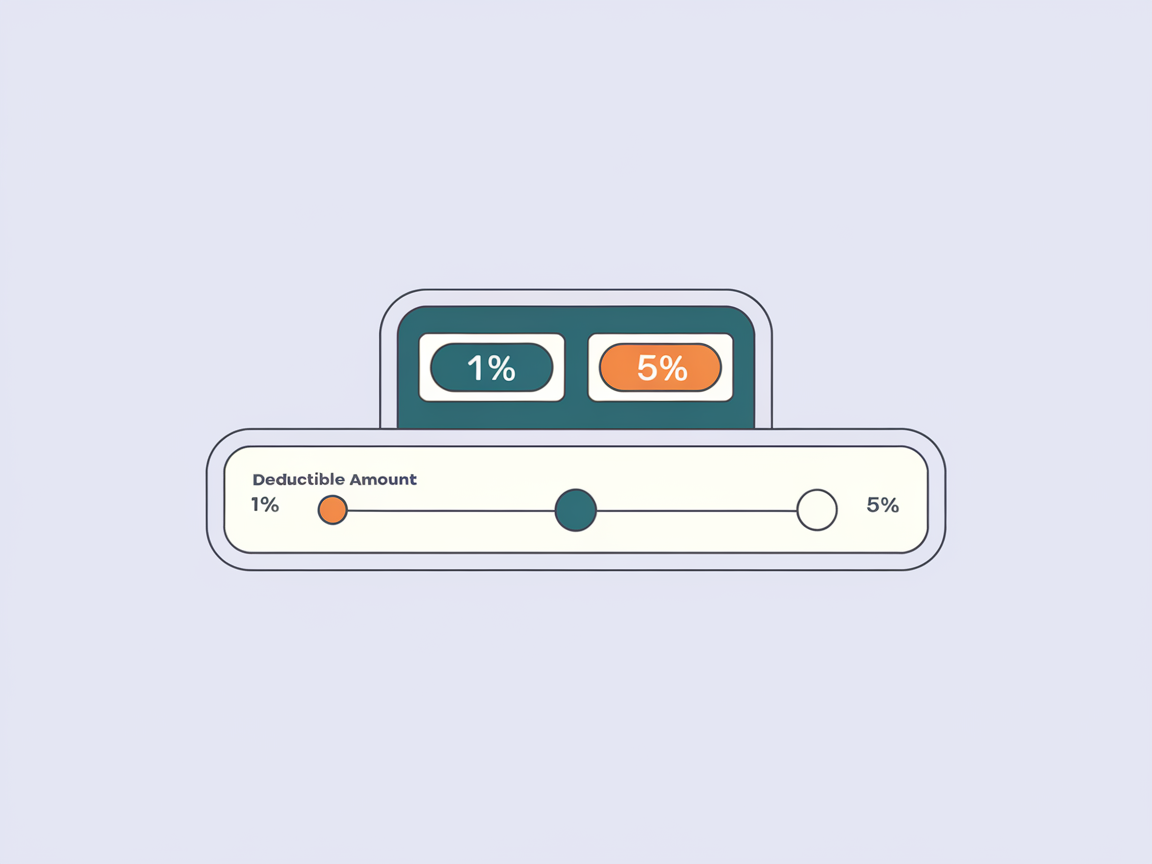
Swiss health insurance works differently than most countries. You choose a deductible (franchise) from CHF 300 to CHF 2,500 per year. Higher deductible = lower monthly premium. For healthy students, CHF 2,500 deductible often makes sense financially.
| Feature | Swiss LAMal (Mandatory) | Supplementary (VVG) |
|---|---|---|
| Monthly Cost | CHF 80-150 (student rates) | CHF 20-50 optional |
| Required? | Yes—mandatory for all residents | Optional |
| Coverage | Basic healthcare, hospital, prescriptions | Dental, private rooms, alternative medicine |
| Deductible | CHF 300-2,500 (you choose) | Varies by plan |
| Providers | Swica, CSS, Helsana, Sanitas, etc. | Same providers |
| International | Limited emergency coverage abroad | Better travel coverage |
Student Rates: Many insurers offer reduced rates for students under 25. Compare carefully—premiums vary significantly by canton (Zurich and Geneva are most expensive).
Recommended Insurance Providers
All LAMal insurers offer the same basic coverage (it's standardized by law). The differences are in price, service quality, and supplementary offerings.
| Provider | Type | Monthly Cost | Best For |
|---|---|---|---|
| Swica | LAMal | CHF 80-130 | Good service, telemedicine, wellness benefits |
| CSS | LAMal | CHF 85-140 | Large provider, family discounts |
| Helsana | LAMal | CHF 90-150 | Extensive network, good app |
| Sanitas | LAMal | CHF 85-135 | Digital-first, young adult focus |
| Groupe Mutuel | LAMal | CHF 75-120 | Often cheapest, basic but sufficient |
Comparison Tool: Use priminfo.admin.ch (official Swiss government site) to compare all insurers' premiums for your canton, age, and deductible choice.
Need Help Choosing?
Swiss insurance is complex. Use the official comparison tool or contact insurers directly for student rates in your canton.
Compare Swiss InsurersWe may earn a commission when you apply through our links. This does not affect our recommendations.
Costs Breakdown
Switzerland's paradox: world-class education at low tuition, but extremely high living costs. Budget carefully—underestimating costs is a common mistake.
| Cost Item | Amount (CHF) | Notes |
|---|---|---|
| Visa Application Fee | CHF 88 (~$97) | National visa fee |
| Residence Permit | CHF 65-150 | Cantonal fee varies |
| Health Insurance | CHF 80-150/month | Mandatory LAMal |
| University Tuition | CHF 500-2,000/semester | Public universities very affordable |
| Living Costs | CHF 1,800-2,500/month | Zurich/Geneva highest |
| Semester Fees | CHF 50-150 | Administrative fees |
Monthly Budget (Zurich/Geneva)
- Rent: CHF 800-1,200 (shared room)
- Food: CHF 400-600
- Transport: CHF 70-100 (with half-fare card)
- Insurance: CHF 80-150
- Phone/Misc: CHF 100-150
- Total: CHF 1,800-2,500/month
Monthly Budget (Smaller Cities)
- Rent: CHF 500-800 (shared room)
- Food: CHF 350-500
- Transport: CHF 50-80
- Insurance: CHF 70-120
- Phone/Misc: CHF 80-120
- Total: CHF 1,400-2,000/month
Application Process
Start early—Swiss visa processing takes 8-12 weeks. Apply as soon as you receive your university admission.
| Step | Timeline | Where |
|---|---|---|
| Receive university admission | 3-6 months before | Swiss university |
| Apply for student visa | 8-12 weeks processing | Swiss embassy |
| Receive visa | Included above | Swiss embassy |
| Arrive in Switzerland | - | Airport |
| Register with canton | Within 14 days | Cantonal migration office |
| Receive Permit B | 2-4 weeks | By mail |
| Enroll in health insurance | Within 3 months | Insurance provider |
Cantonal Registration: Switzerland is a federation of cantons, each with its own migration office. Register within 14 days of arrival at your canton's office. Bring passport, visa, admission letter, and proof of accommodation.
Real-World Scenarios
Scenario 1: GP Visit for Cold
You have a persistent cold and visit a general practitioner.
Outcome: GP visit costs ~CHF 100-150. If you chose CHF 2,500 deductible and haven't used it yet, you pay full price. Once deductible is met, insurance covers 90% (you pay 10% copay up to CHF 700/year max).
Scenario 2: Prescription Medication
Doctor prescribes medication for an infection.
Outcome: Medications count toward your deductible. If deductible met, you pay 10% copay. Swiss pharmacies are efficient; prescription ready same day.
Scenario 3: Skiing Accident
You break your leg skiing and need emergency treatment and surgery.
Outcome: Emergency treatment is covered. Total bill might be CHF 10,000+. You pay deductible + 10% copay (max CHF 700). Actual out-of-pocket: CHF 2,500 + 700 = CHF 3,200 max. Insurance covers the rest.
Scenario 4: Dental Checkup
You want a routine dental cleaning and checkup.
Outcome: Basic LAMal does NOT cover dental (except accidents). Cleaning costs CHF 150-250 out of pocket. Consider supplementary dental insurance (VVG) or budget for dental expenses.
Scenario 5: Mental Health Counseling
You need support for stress/anxiety during exams.
Outcome: Psychiatric care is covered by LAMal. Psychotherapy requires referral but is covered. University counseling services are often free. Mental health is taken seriously in Switzerland.
Scenario 6: Trip to France, Get Sick
You travel to France for a weekend and need medical care.
Outcome: LAMal covers emergencies in EU/EFTA countries at Swiss reimbursement rates. You pay upfront in France, then claim reimbursement. For planned care abroad, supplementary insurance is better.
Common Mistakes to Avoid
Not Getting Swiss Insurance Within 3 Months
This is mandatory. If you don't enroll, you'll be automatically assigned to an insurer at unfavorable rates. International insurance does NOT count. Enroll immediately upon arrival.
Thinking International Insurance Is Sufficient
Cigna, Allianz Global, SafetyWing—none of these satisfy Swiss legal requirements. You MUST have LAMal-compliant Swiss insurance. No exceptions.
Underestimating Living Costs
CHF 1,800-2,500/month is realistic. Don't assume you can live on less. Rent alone is CHF 600-1,200 for a shared room. Food, transport, and insurance add up quickly.
Missing Cantonal Registration Deadline
Register with your canton's migration office within 14 days of arrival. This is mandatory. Bring all documents—delays can affect your permit.
Exceeding Work Hours
Students can work max 15 hours/week during semester. During semester breaks, full-time is allowed. Exceeding limits can affect your permit status.
Healthcare in Switzerland
Swiss healthcare is world-class but expensive. The mandatory insurance system ensures everyone has coverage. Quality is excellent across the country, with modern facilities and highly trained doctors.
What LAMal Covers
- ✓ GP and specialist consultations
- ✓ Hospital stays (general ward)
- ✓ Surgery and procedures
- ✓ Prescription medications (on approved list)
- ✓ Maternity care
- ✓ Mental health treatment
- ✓ Emergency care abroad (limited)
What LAMal Doesn't Cover
- ✗ Dental care (except accidents)
- ✗ Glasses and contacts
- ✗ Private/semi-private hospital rooms
- ✗ Some alternative medicine
- ✗ Cosmetic procedures
- ✗ Non-emergency care abroad
University Health Services: Most Swiss universities have on-campus health services with subsidized rates. ETH Zurich, University of Zurich, and others offer student health centers. Use these for routine care to save money.
Frequently Asked Questions
Is Swiss health insurance mandatory for students?
Yes. All residents including students must have Swiss-compliant health insurance (LAMal/KVG). You have 3 months from arrival to enroll. International insurance is NOT accepted. Student premiums are CHF 80-150/month depending on canton and deductible chosen.
How expensive is Switzerland for students?
Very expensive. Budget CHF 1,800-2,500/month for living costs. Rent alone is CHF 600-1,200/month for a room. The good news: public university tuition is low (CHF 500-2,000/semester). Total annual cost: CHF 25,000-35,000 including tuition and living.
Can I work while studying in Switzerland?
Yes, but limited. During semester: max 15 hours/week. During semester breaks: full-time allowed. EU/EFTA students have more flexibility. Work permit is part of your residence permit—no separate application needed.
What is the deductible system in Swiss insurance?
You choose an annual deductible (franchise) from CHF 300 to CHF 2,500. Higher deductible = lower monthly premium. For healthy students who rarely need care, CHF 2,500 deductible saves money. If you expect medical needs, CHF 300 is safer.
Can I stay after graduation?
It's challenging. Switzerland is strict about post-study immigration. You can apply for a 6-month extension to job search, but finding a Swiss employer to sponsor you is difficult. Many graduates return home or move to EU countries.
Which language should I learn?
Depends on your university location. Zurich/Bern: German. Geneva/Lausanne: French. Lugano: Italian. Many master's programs are in English, but daily life requires local language skills. German-speaking regions are largest.
Final Verdict
Switzerland offers world-class education at surprisingly affordable tuition—but the cost of living is among the highest in the world. If you can manage CHF 25,000-35,000/year for total expenses, you'll get an exceptional education at institutions like ETH Zurich, EPFL, or the University of Zurich.
The mandatory Swiss insurance requirement is non-negotiable. Budget CHF 80-150/month and enroll immediately upon arrival. Choose a high deductible if you're healthy to save on premiums. The coverage is excellent once you understand the system.
The Bottom Line
Switzerland is best for students who can afford high living costs and want elite education in science, engineering, or finance. The mandatory Swiss insurance (CHF 80-150/month) provides excellent coverage but is non-negotiable—plan for this expense. Post-graduation work opportunities are limited compared to EU countries.
Planning to Study in Switzerland?
You'll need Swiss LAMal insurance—international plans aren't accepted. Compare Swiss insurers and understand your options.
Compare Insurance OptionsWe may earn a commission when you apply through our links. This does not affect our recommendations.